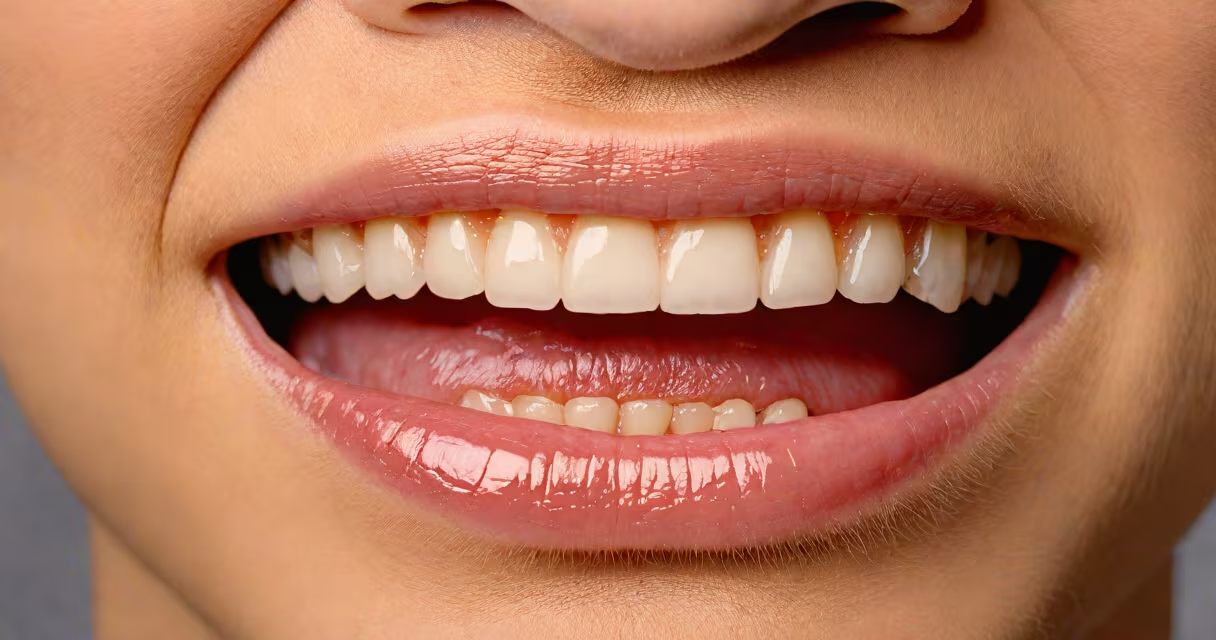
A sore soft palate results from inflammation or irritation in the back of the roof of your mouth, often due to viral infections, acid reflux, or physical trauma. This area is highly sensitive and can react quickly to minor triggers.
The soft palate is the flexible, muscular portion of the roof of the mouth behind the hard palate. It plays key roles in speech, swallowing, and closing off the nasal passage during breathing. When inflamed, it can cause sharp pain, a scratchy sensation, or difficulty swallowing.
Common triggers include upper respiratory infections, dry mouth, loud talking, or acid reflux. Persistent soreness lasting more than 10 days may indicate a need for medical evaluation.
Inflammation occurs when tissues in the soft palate become irritated or infected. The immune system responds by increasing blood flow and sending white blood cells to the area, causing swelling and pain. This process is part of the body's natural defense mechanism.
Viral infections such as the common cold or Epstein-Barr virus (which causes mononucleosis) frequently lead to soft palate soreness. These viruses attack mucous membranes, including those in the mouth and throat. Symptoms often appear within 2-7 days of exposure.
Acid reflux can also irritate the soft palate. Stomach acid travels up the esophagus and reaches the back of the throat, especially when lying down. A 2021 study published in Frontiers in Medicine found that 40% of patients with chronic sore throat had laryngopharyngeal reflux, even without heartburn.
Soft palate soreness falls into several categories based on origin. Understanding the pattern helps identify the root issue.
| Category | Common Triggers | Typical Duration | Distinctive Signs |
|---|---|---|---|
| Infection | Cold, flu, strep throat, oral herpes | 3-10 days | Redness, swelling, fever, white patches |
| Reflux | Spicy foods, alcohol, late-night eating | Chronic or recurring | Burning sensation, post-nasal drip, hoarseness |
| Physical Trauma | Hot food, dental work, forceful coughing | 1-3 days | Localized pain, small ulcer or blister |
| Allergy/Environmental | Dust, smoke, dry air, pollen | Variable | Itching, dryness, mucus buildup |
For example, a person who develops a sore soft palate after eating spicy curry and lying down soon after likely has acid reflux. The pain typically worsens at night and improves in the morning. In contrast, someone with a sore throat and fever after a week of fatigue may have a viral illness.
One underappreciated cause is sleep apnea. Repeated snoring and mouth breathing during sleep dry out the soft palate, leading to micro-tears and irritation. The American Academy of Sleep Medicine reports that 30% of adults with obstructive sleep apnea report chronic throat discomfort, including soft palate soreness.
Many people assume soft palate pain is just part of a cold. But persistent soreness can signal something more serious. A sore soft palate that lasts longer than 10 days, especially with unexplained weight loss, difficulty opening the mouth, or a lump, requires evaluation.
Oral herpes (HSV-1) can cause painful blisters on the soft palate. These lesions often appear as clusters of small, fluid-filled sores that rupture and crust over. They may last 7-14 days and recur in individuals with weakened immunity.
Another overlooked condition is squamous cell carcinoma of the oropharynx. Early signs can mimic a lingering sore throat. According to the National Cancer Institute, about 15% of oropharyngeal cancers originate in the soft palate. Risk factors include smoking, heavy alcohol use, and HPV infection.
I once treated a patient who reported a sore soft palate for six weeks. He had dismissed it as a lingering cold. Upon examination, we found a small ulcer with irregular borders. Biopsy confirmed early-stage cancer. Prompt treatment led to full recovery. This case underscores why self-diagnosis is risky.
Most cases resolve with rest, hydration, and over-the-counter pain relief. Gargling with warm salt water (1/2 teaspoon in 8 oz water) reduces swelling and kills bacteria. Avoiding spicy, acidic, or very hot foods helps prevent further irritation.
If symptoms persist beyond 10 days, worsen, or are accompanied by fever, difficulty swallowing, or visible sores, consult a healthcare provider. A doctor may perform a rapid strep test, throat culture, or refer to an ENT specialist.
For suspected acid reflux, lifestyle changes such as elevating the head of the bed, avoiding meals 3 hours before bedtime, and reducing caffeine intake can reduce episodes. Medications like proton pump inhibitors may be prescribed if needed.
Why is my soft palate sore? Often, it's due to a viral infection, acid reflux, or minor trauma. Most cases improve within a week with basic care. However, persistent pain, visible sores, or systemic symptoms require professional evaluation.
Do not ignore a sore soft palate that lasts longer than 10 days. Early diagnosis prevents complications and improves outcomes. Keep track of triggers-food, sleep habits, medications-to help identify patterns.
Understanding the difference between temporary irritation and potential pathology ensures timely action. The soft palate is delicate, but its discomfort is usually manageable with clear steps.