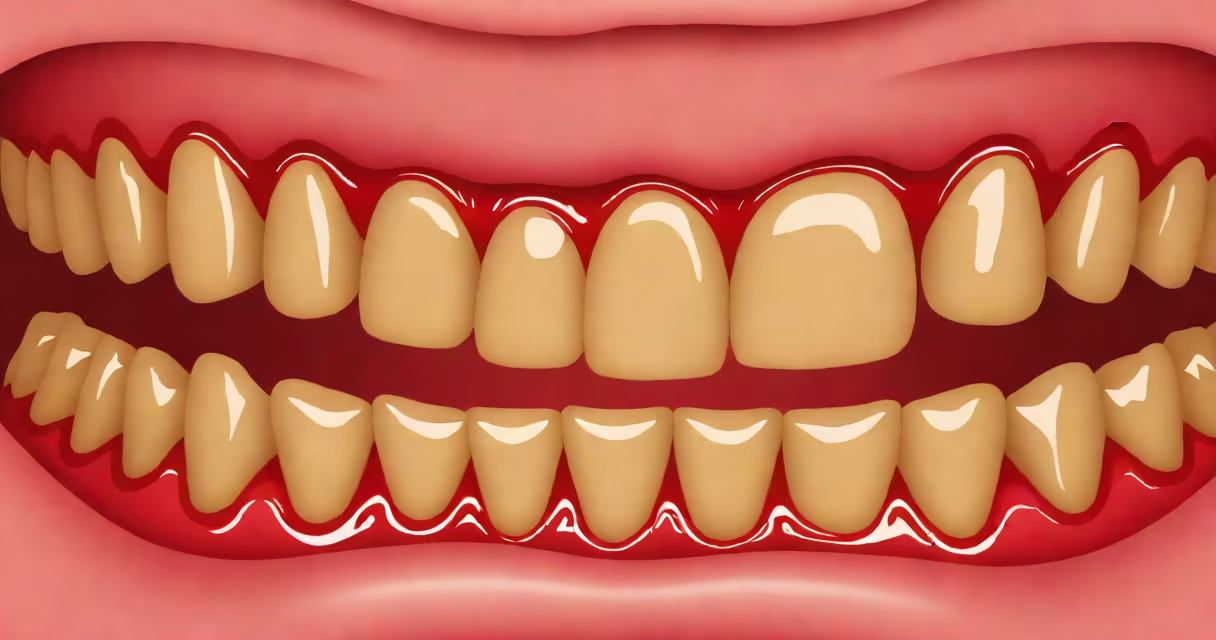
Inflammation in my gums is a sign of early gum disease, typically caused by bacterial plaque buildup along the gumline. It appears as redness, swelling, tenderness, and often bleeding during brushing or flossing. If left unaddressed, it can progress to periodontitis, leading to bone loss and tooth loss.
This condition affects nearly half of adults aged 30 and older in the United States, according to the Centers for Disease Control and Prevention (CDC). It begins when plaque-a sticky film of bacteria-accumulates on teeth and irritates the gum tissue. The immune system responds by sending white blood cells to fight the infection, causing localized swelling and increased blood flow. This results in the visible symptoms people notice.
Common triggers include poor oral hygiene, smoking, hormonal changes (such as during pregnancy), certain medications (like anticonvulsants and calcium channel blockers), and systemic conditions like diabetes. A 2022 study published in the Journal of Clinical Periodontology found that individuals with poorly controlled type 2 diabetes were 2.3 times more likely to develop moderate to severe gingivitis than those without diabetes.
Gum inflammation starts subtly. Early signs include gums that feel soft, appear darker red than normal, and bleed easily when brushed. Swelling may be noticeable around the base of teeth, especially near molars. Some people report a dull ache or sensitivity when eating hot or cold foods.
As plaque hardens into tartar, the inflammation worsens. Tartar cannot be removed by brushing alone and requires professional cleaning. Once tartar forms, the space between the tooth and gum deepens, creating pockets where more bacteria accumulate. These pockets trap food debris and further fuel infection.
A real-world example: A 42-year-old office worker noticed her gums bled every time she brushed. She had skipped flossing for months due to a busy schedule. After a dental exam, her dentist diagnosed mild gingivitis. Within two weeks of daily flossing and using an antibacterial mouthwash, the bleeding stopped and gum color returned to normal.
Gum inflammation progresses through distinct stages. The earliest phase is reversible gingivitis. At this stage, no permanent damage has occurred. The gums are inflamed but still attached to the teeth. With proper care, full recovery is possible.
| Stage | Key Features | Reversibility |
|---|---|---|
| Gingivitis | Redness, swelling, bleeding on brushing, bad breath | Yes-with treatment |
| Mild Periodontitis | Pocket depth >4mm, early bone loss, loose teeth | Partially reversible |
| Advanced Periodontitis | Pockets >6mm, significant bone loss, tooth mobility | No-requires surgery |
Once inflammation reaches periodontitis, irreversible damage occurs. Bone and connective tissue supporting the teeth begin to deteriorate. Teeth may shift or loosen. In advanced cases, extraction becomes necessary.
One non-obvious fact: Not all gum inflammation causes pain. Many patients report no discomfort until the disease has progressed. This lack of pain makes early detection difficult without regular dental checkups.
Some people assume that bleeding gums are normal or a result of aggressive brushing. This is incorrect. While brushing too hard can cause trauma, consistent bleeding indicates underlying inflammation. The American Dental Association states that healthy gums do not bleed during routine oral care.
Another confusion arises between gingivitis and periodontitis. Gingivitis is limited to the gums. Periodontitis involves deeper structures-the periodontal ligament and alveolar bone. The latter is not reversible and requires surgical intervention.
People also mistake temporary relief from mouthwash for a cure. Antiseptic rinses reduce bacteria temporarily but do not remove plaque or treat the root cause. Relying solely on mouthwash delays effective treatment.
Dentists diagnose inflammation in my gums through visual inspection, probing with a periodontal probe to measure pocket depth, and sometimes X-rays to assess bone levels. Pocket depths greater than 3 millimeters suggest inflammation. Depths above 4 mm indicate early periodontitis.
Treatment focuses on removing plaque and tartar. Scaling and root planing-a deep cleaning procedure-removes calculus from below the gumline and smoothes root surfaces to prevent reattachment of bacteria. Most patients require one session per quadrant of the mouth.
For persistent cases, antibiotics such as chlorhexidine rinse or local delivery of minocycline into pockets may be prescribed. A 2021 clinical trial showed that combining scaling with a single dose of local minocycline reduced pocket depth by an average of 1.8 mm over six months compared to scaling alone.
At-home care includes brushing twice daily with a soft-bristled toothbrush, flossing daily, and using an antimicrobial mouthwash. Electric toothbrushes have been shown to reduce plaque by 21% more than manual brushes over six months, according to a 2020 Cochrane review.
If bleeding persists beyond two weeks of improved home care, consult a dentist. Delaying treatment increases the risk of irreversible damage. People with diabetes, smokers, or those taking immunosuppressants should have annual exams even if they feel fine.
I once observed a patient who ignored his bleeding gums for over a year. He assumed it was due to stress. By the time he sought care, he had lost two molars and required surgical grafting. His case highlights how silent progression can be.
Early intervention stops progression. Regular cleanings every six months reduce the risk of developing periodontitis by 50%, per the CDC.