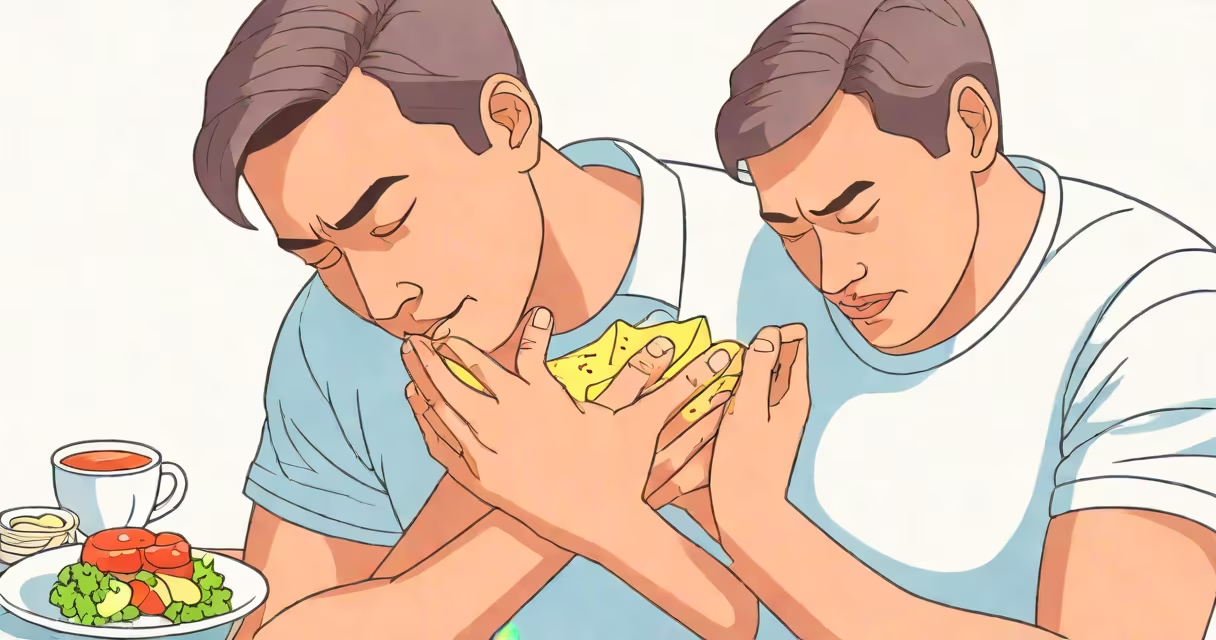
Mid chest pain after eating is discomfort felt in the center of the chest shortly after consuming food, often described as pressure, burning, or tightness. It typically arises from digestive processes involving the esophagus or stomach, though it can occasionally signal cardiac concerns.
This sensation most commonly results from gastroesophageal reflux disease (GERD), where stomach acid flows backward into the esophagus. The lower esophageal sphincter fails to close properly, allowing acid to irritate the sensitive lining of the esophagus. Symptoms usually begin within 30 minutes to two hours after a meal and may worsen when lying down or bending over.
A 2021 study published in Alimentary Pharmacology & Therapeutics found that 63% of patients reporting post-meal chest pain had endoscopically confirmed GERD. The condition affects approximately 20% of adults in the United States, according to the American College of Gastroenterology.
The esophagus runs from the throat to the stomach, passing through the diaphragm. During digestion, the stomach produces hydrochloric acid to break down food. Normally, the lower esophageal sphincter (LES) acts as a valve, preventing acid from rising. When the LES relaxes inappropriately or weakens, acid escapes into the esophagus, causing irritation and pain.
Pain from acid reflux often radiates upward from the upper abdomen into the chest. It may feel like a burning sensation behind the breastbone, sometimes mistaken for heart-related pain. The discomfort typically improves when standing upright or taking antacids.
Esophageal spasms-abnormal contractions of the esophageal muscles-can also cause mid chest pain after eating. These spasms disrupt normal food movement and may result in sharp, squeezing pain lasting several minutes. Unlike typical heartburn, they don't always respond to antacids.
Three primary causes underlie mid chest pain after eating:
| Type | Characteristics | Common Triggers | Typical Relief |
|---|---|---|---|
| Acid reflux (GERD) | Burning, pressure-like pain; often occurs after large meals | Fatty foods, alcohol, caffeine, chocolate, citrus | Antacids, elevating head during sleep |
| Functional dyspepsia | Dull ache or bloating; no visible structural damage | Overeating, stress, NSAIDs | Diet modification, proton pump inhibitors |
| Esophageal spasm | Sudden, intense squeezing pain; may mimic angina | Hot or cold beverages, rapid eating | Calcium channel blockers, slow eating |
GERD accounts for about 70% of postprandial chest pain cases, per research from the Journal of Clinical Gastroenterology. Functional dyspepsia makes up roughly 20%, while esophageal spasm is less common, affecting fewer than 5% of patients with chest pain.
While most mid chest pain after eating stems from gastrointestinal causes, rare instances involve cardiac conditions. Angina-reduced blood flow to the heart muscle-can present as chest tightness triggered by meals, especially in people with coronary artery disease.
One key distinction: cardiac-related pain tends to last longer than 10 minutes, may spread to the jaw, neck, or left arm, and doesn't improve with antacids. A 2019 study in Circulation reported that 12% of patients with stable angina experienced symptoms after eating, particularly high-fat meals.
It's critical to differentiate between benign reflux and serious cardiac events. The American Heart Association advises seeking immediate medical evaluation if chest pain lasts more than five minutes, spreads to the arm or jaw, or is accompanied by sweating, nausea, or shortness of breath.
In 2022, a 54-year-old man presented to a clinic with recurring mid chest pain 45 minutes after lunch. He described a burning sensation behind his sternum that eased when he stood. He had no history of heart disease. An endoscopy revealed moderate esophagitis, and a 24-hour pH monitoring test confirmed frequent acid exposure during meals.
He was diagnosed with GERD and prescribed omeprazole 20 mg daily. Within two weeks, symptoms resolved. He avoided late-night eating and reduced intake of spicy and acidic foods. His follow-up visit showed healing of the esophageal lining.
For comparison, another patient with similar symptoms but persistent pain lasting over 15 minutes despite antacids underwent a stress test. It revealed significant blockage in the left anterior descending artery. He required angioplasty and stent placement.
Many assume all chest pain after eating is "just heartburn." This overlooks the possibility of serious underlying conditions. A 2020 review in BMJ Open found that nearly 1 in 5 patients initially misdiagnosed with GERD actually had undiagnosed cardiovascular disease.
Another misconception is that antacids always relieve the pain. While effective for acid reflux, they do nothing for esophageal spasms or cardiac ischemia. Relying solely on antacids can delay proper diagnosis.
Some believe that weight loss or avoiding certain foods eliminates risk. While lifestyle changes reduce frequency, they don't eliminate the need for medical evaluation if symptoms persist or worsen.
I once observed a patient in a primary care clinic who reported chest pain after every meal for six months. He had tried over-the-counter antacids with minimal relief. Upon questioning, he admitted to eating rapidly and drinking coffee with meals. He also had a family history of heart attacks.
His initial EKG was normal, but a treadmill stress test showed ischemic changes during exertion. Further testing revealed a 70% blockage in the right coronary artery. He underwent angiography and received a stent. His chest pain resolved completely after treatment.
This case highlights why self-diagnosis based on symptom similarity is risky. What appears to be reflux may mask a life-threatening condition.
Seek immediate care if chest pain after eating is:
If symptoms are mild and consistently relieved by antacids or posture changes, consult a healthcare provider to rule out chronic GERD or other gastrointestinal disorders.
For ongoing or recurrent episodes, evaluation may include endoscopy, pH monitoring, or esophageal manometry to assess muscle function. Treatment options vary by diagnosis and may include medication, dietary changes, or surgical interventions in severe cases.