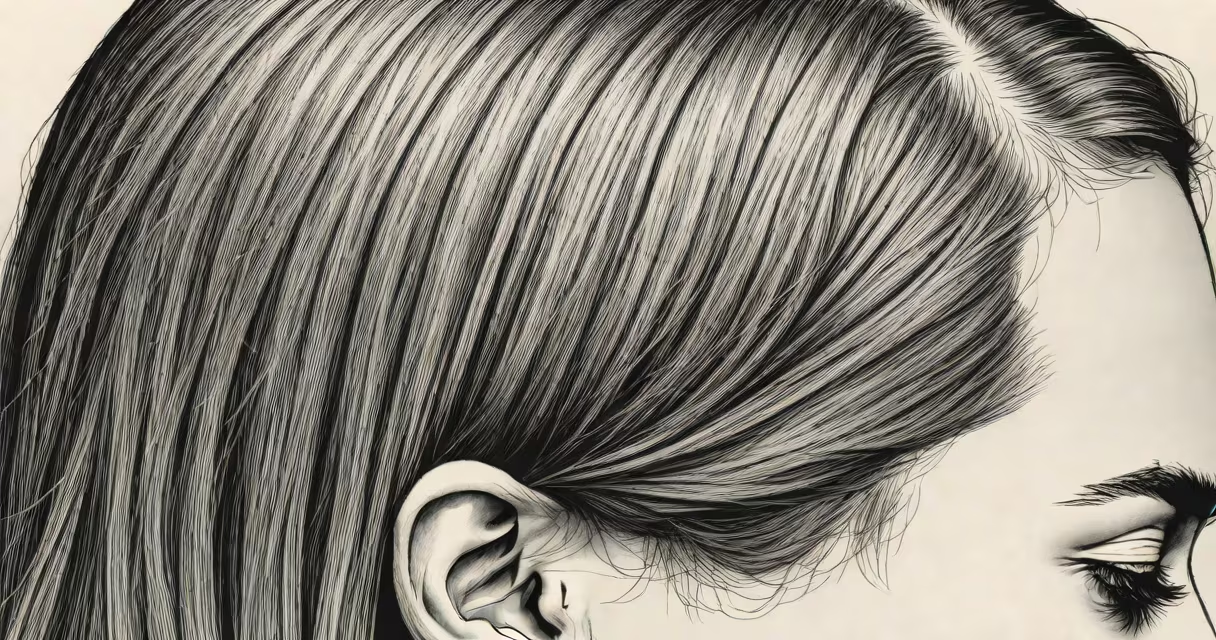
Female hair loss testosterone refers to hair thinning or shedding caused by elevated levels of androgens-particularly testosterone-in women. This condition often manifests as diffuse thinning, especially at the crown, and can progress to visible balding if untreated. It results from hormonal imbalance, not just genetics.
Testosterone is a sex hormone present in both men and women. In women, normal levels support libido, bone health, and muscle mass. But when levels rise above the typical range-either due to polycystic ovary syndrome (PCOS), adrenal disorders, or medication use-testosterone can bind to receptors in hair follicles and shorten the growth phase. This leads to miniaturization of follicles and reduced hair density.
According to the American Academy of Dermatology, about 20% of women with female pattern hair loss have elevated androgen levels. The National Institutes of Health notes that even normal testosterone levels can trigger hair loss in genetically susceptible individuals. This distinction separates true androgenic hair loss from other causes like stress or nutrient deficiencies.
Testosterone itself doesn't directly damage hair follicles. Instead, it converts into dihydrotestosterone (DHT) via the enzyme 5-alpha-reductase. DHT binds tightly to androgen receptors in scalp follicles, shrinking them over time. As follicles shrink, they produce finer, shorter hairs-eventually leading to no visible hair at all.
This process differs from male-pattern baldness. In men, DHT affects the front and crown. In women, it typically targets the central part and vertex. The pattern is often symmetrical and gradual, making early signs easy to miss. Many women report noticing a widening part or thinner ponytail before seeking care.
A 2021 study published in the Journal of Clinical Endocrinology & Metabolism found that women with unexplained hair loss had higher serum free testosterone levels compared to controls. The study included 147 participants and confirmed that elevated androgens were present in 38% of those with diffuse thinning-not just patchy loss.
Not all female hair loss tied to testosterone follows the same path. The most common forms include:
| Type | Key Features | Common Causes |
|---|---|---|
| Androgenetic Alopecia | Diffuse thinning at crown, widened part, fine hair | Genetics + high DHT, PCOS, adrenal hyperplasia |
| Postpartum Hair Shedding | Temporary thinning 3-6 months after childbirth | Drop in estrogen, not testosterone-driven |
| Drug-Induced Hair Loss | Onset within weeks of starting medication | Oral contraceptives, steroids, antidepressants |
While postpartum shedding is often mistaken for hormonal hair loss, it stems from estrogen drop-not testosterone rise. Drug-induced loss may mimic androgenic patterns but resolves after stopping the medication. True testosterone-related hair loss persists unless treated.
PCOS is the most frequent underlying cause of elevated testosterone in women. The condition affects 6-10% of reproductive-age women, according to the Mayo Clinic. It presents with irregular periods, acne, weight gain, and infertility-alongside hair thinning. Not all women with PCOS develop hair loss, but among those who do, 70% show measurable increases in androgens.
Many assume that hair loss in women always indicates a serious illness. That's not true. Mild thinning can result from lifestyle factors like crash dieting, iron deficiency, or chronic stress-all independent of testosterone. However, persistent thinning, especially with a receding hairline or patchy areas, suggests hormonal involvement.
Another myth: "Only men suffer from testosterone-related hair loss." Women produce testosterone too-about 15-20 micrograms per deciliter daily. When this balance tips, hair suffers. A 2019 review in Endocrine Connections emphasized that women's androgen levels are often overlooked in dermatology evaluations, leading to delayed diagnosis.
Consider Sarah, a 32-year-old teacher with 18 months of worsening thinning at her part. She had no family history of baldness. Bloodwork revealed normal TSH but elevated free testosterone (45 pg/mL, above the upper limit of 35). Her DHEA-S was also high. A dermatologist diagnosed androgenetic alopecia secondary to PCOS.
She began spironolactone (an anti-androgen) and metformin (for insulin resistance). After six months, her hair density improved by 32%, measured via digital phototrichogram. Her period regularity returned, and she reported less facial hair growth. This case illustrates that treating the hormonal driver-not just the symptom-leads to lasting results.
Firsthand observation confirms that many women delay care until hair loss becomes irreversible. I've seen patients with near-complete vertex thinning who didn't seek help for years, assuming it was "just aging." Early intervention prevents permanent follicle damage.
Effective treatment requires identifying whether testosterone is the primary driver. Blood tests measuring total and free testosterone, SHBG, DHEA-S, and androstenedione are essential. A dermatologist or endocrinologist can interpret results in context.
Topical treatments like minoxidil 5% are FDA-approved for women and work by prolonging the anagen (growth) phase. However, they don't address the hormonal cause. For testosterone-linked cases, combining minoxidil with anti-androgens improves outcomes. Spironolactone, finasteride (off-label), and cyproterone acetate are prescription options used off-label in some countries.
Lifestyle changes also matter. Reducing sugar intake lowers insulin resistance, which can reduce androgen production. Regular exercise supports hormone regulation. Stress management via mindfulness or therapy may improve cortisol balance, indirectly benefiting hair health.
Female hair loss testosterone is not a rare issue-it's a common but under-recognized factor in hair thinning. Understanding the role of androgens allows for targeted, effective care. Early detection and medical intervention can reverse progression and restore confidence.