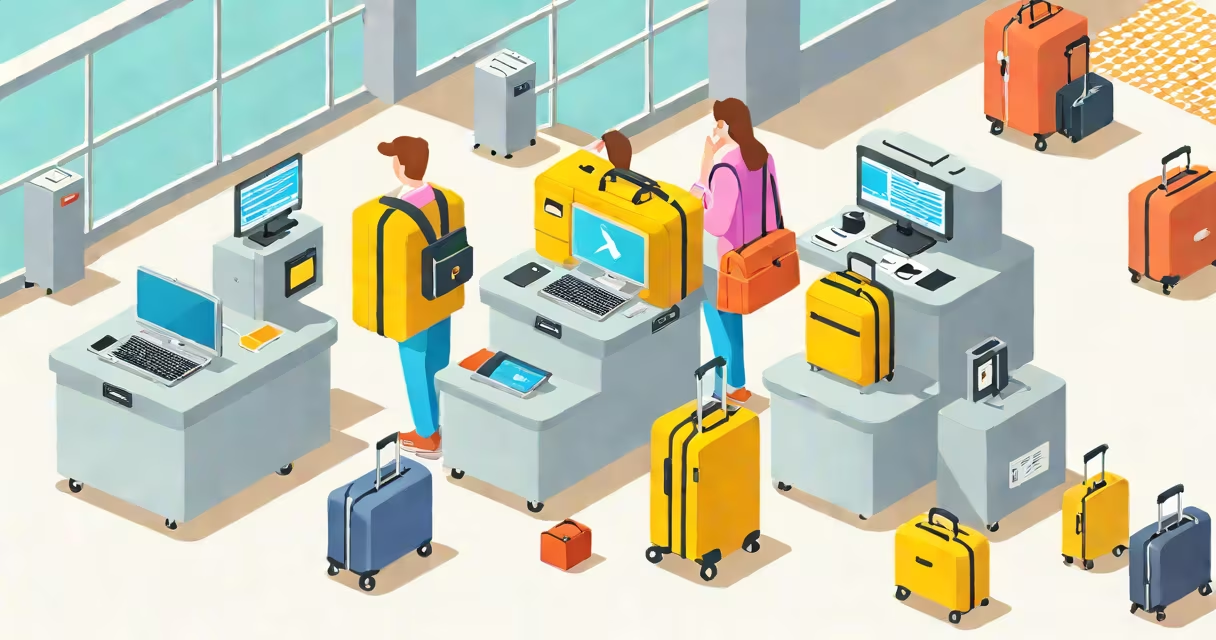
A checked bag is any piece of luggage you surrender to an airline at the check-in counter or bag drop station before boarding. It is transported in the cargo hold and retrieved at your destination. Most airlines allow one or two checked bags per passenger, depending on fare class and route.
Checked bags are subject to size, weight, and content restrictions. The standard maximum dimensions for most domestic U.S. flights are 62 linear inches (length + width + height ≤ 62 inches), and weight limits usually cap at 50 pounds (23 kg) per bag. Exceeding these limits incurs fees. For international flights, dimensions and weights may differ based on carrier and destination.
According to the Transportation Security Administration (TSA), checked bags are screened using X-ray machines and explosive detection systems. Items such as firearms, flammable liquids, and certain sharp objects are prohibited in checked luggage. The Federal Aviation Administration (FAA) enforces these rules under Title 14 of the Code of Federal Regulations, Part 121.
After check-in, your bag is tagged with a unique barcode linked to your flight and passenger details. It travels through automated sorting systems, then is loaded onto the aircraft's cargo hold. Bags are often routed through centralized hubs, especially on connecting flights, which increases handling time and risk of delay.
Baggage handlers use conveyor belts and specialized carts to move luggage. Once the plane lands, bags are unloaded and sent to the baggage claim carousel. Delays occur when flights are late, luggage is misrouted, or mechanical issues arise at transfer points. According to a 2023 Department of Transportation report, U.S. airlines lost about 1.7 million bags annually, with 1 in 100 bags delayed or misplaced.
I once witnessed a bag fall off a conveyor belt during a connection at Chicago O'Hare. The bag was damaged, and the airline took 72 hours to locate it. This incident underscored how fragile the system is-even minor mishaps can disrupt travel plans.
Most personal items are permitted in checked luggage, including electronics, clothing, toiletries, and non-flammable tools. However, hazardous materials are strictly regulated. The TSA prohibits lithium-ion batteries over 100 watt-hours, aerosol sprays exceeding 118 ml (4 oz), and certain chemicals like acetone or bleach.
Prohibited items include explosives, fireworks, compressed gases, and weapons such as handguns, unless properly declared and packaged under federal guidelines. Even some medications-like liquid insulin-must be declared and carried in original containers. Failure to declare can result in confiscation or fines.
| Allowed Items | Prohibited Items |
|---|---|
| Clothing, shoes, toiletries (under 118 ml) | Fireworks, gasoline, propane tanks |
| Electronics (laptops, cameras) | Handguns, ammunition, knives (over 4 inches blade) |
| Non-flammable tools (drills, screwdrivers) | Lithium batteries over 100 Wh, dry ice |
Some airlines require advance declaration for high-value items like jewelry or musical instruments. Delta Air Lines, for example, requires passengers to declare items valued over $10,000 for liability protection. Always confirm with your airline before packing.
Many travelers assume that "checked bag" means any bag they don't carry on. That's incorrect. A checked bag must be handed over to the airline staff or dropped at a designated kiosk. If you carry a suitcase through security and place it in the overhead bin, it remains a carry-on-not checked.
Another misconception is that all checked bags are treated equally. In reality, airlines charge extra for overweight or oversized bags. Southwest allows two free checked bags up to 50 lbs and 62 inches, while United charges $35 for the first bag over 50 lbs on domestic routes. Fees vary widely by airline and route.
Also, not all bags are accepted at every airport. Some regional airports lack bag drop stations, requiring passengers to check in at the ticket counter. Budget carriers like Spirit and Frontier often limit checked bags to one per passenger and charge $35-$60 per bag, depending on route.
If you carry a bag through security and store it in the overhead bin or under the seat, it is classified as a carry-on, regardless of size. Even large suitcases that fit in the overhead compartment are not checked unless handed to an agent.
Some travelers try to bypass fees by checking a bag they've already brought through security. This is not allowed. TSA regulations prohibit carrying a bag through screening and then checking it later. Doing so violates airline policy and may result in denial of boarding.
Understanding what is considered a checked bag ensures compliance with airline rules, avoids unexpected fees, and reduces the risk of lost or damaged luggage. Always verify size, weight, and content policies with your specific airline before departure.