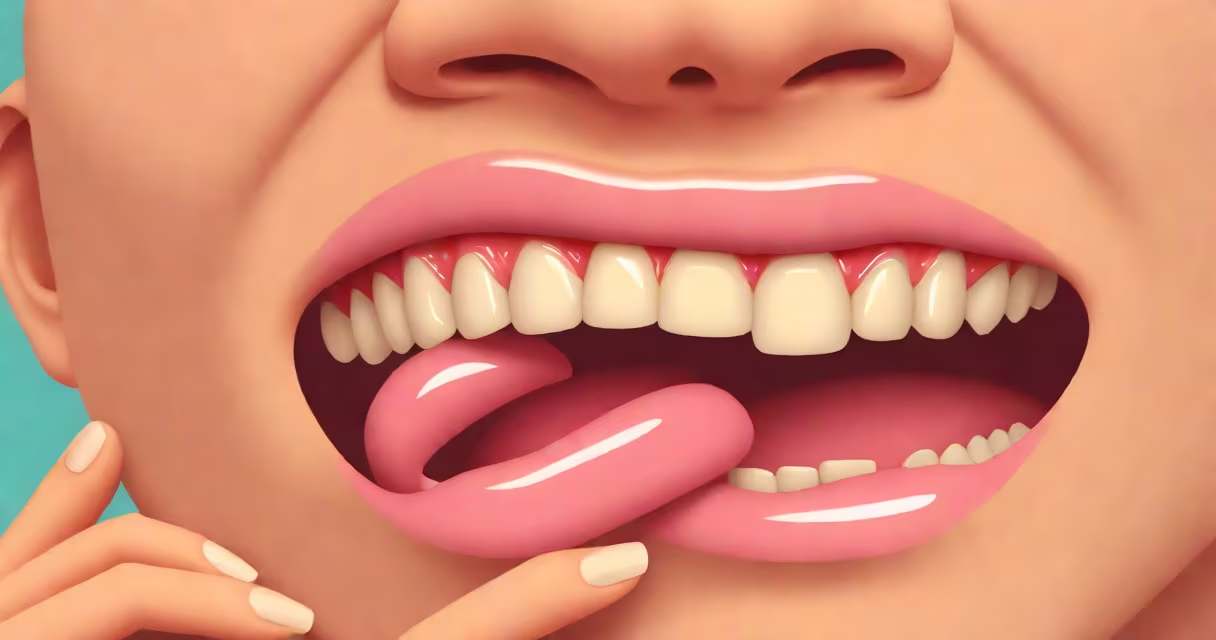
Sharp pain when biting down occurs when pressure on a tooth triggers sudden, intense discomfort, often indicating underlying dental damage such as decay, a cracked tooth, or exposed nerve tissue. This sensation typically arises during chewing and may persist briefly after the bite ends.
The pain results from mechanical stress on a compromised tooth structure. When enamel wears thin or a cavity forms near the pulp-the inner core containing nerves and blood vessels-biting forces compress fluid within the tooth's tiny tubules. This movement stimulates nerve endings, causing sharp, localized pain. The sensation may last seconds or linger if inflammation is present.
Common triggers include chewing on hard foods like nuts or ice, clenching teeth during sleep, or even drinking cold liquids. Pain intensity varies: mild discomfort may resolve quickly, but persistent or worsening pain suggests progressive damage requiring professional attention.
Tooth structure relies on layers: outer enamel, middle dentin, and inner pulp. Enamel resists normal chewing forces, but once worn or damaged, dentin becomes exposed. Dentin contains microscopic channels leading to the pulp. Pressure on these channels-such as from biting-moves fluid inside them, activating sensory nerves and producing sharp pain.
For example, a 32-year-old patient reported consistent pain when biting down on their left molar. A dental X-ray revealed a small crack extending from the chewing surface toward the root. The crack didn't show on initial visual exam but caused pain under load due to fluid displacement in dentinal tubules. After a crown was placed, the pain resolved completely.
Other mechanisms include periodontal disease, which weakens the bone supporting the tooth. As the tooth loosens slightly, biting shifts force unevenly across the root, irritating the periodontal ligament. This causes a dull ache that sharpens under pressure-often misinterpreted as a toothache when it's actually gum-related.
Several conditions cause sharp pain when biting down. Not all involve the tooth itself-some stem from adjacent structures.
| Type | Root Cause | Key Symptoms | Prevalence |
|---|---|---|---|
| Cavity near pulp | Decay penetrating dentin | Pain with hot/cold, sharp bite pain | ~25% of adults aged 30-64 have untreated cavities (CDC) |
| Cracked tooth syndrome | Microfracture from grinding or trauma | Pain only when biting down; may come and go | Accounts for ~10% of dental emergencies (American Dental Association) |
| Gum recession with root exposure | Receding gums exposing sensitive root surfaces | Pain with cold or pressure; no visible decay | Over 80% of adults over 65 experience gum recession (NIDCR) |
| Periapical abscess | Bacterial infection at root tip | Throbbing pain, swelling, may feel like tooth is loose | Less than 1% of teeth develop abscesses annually |
One non-obvious distinction: pain from a cracked tooth often disappears between bites. Patients report "it hurts only when I chew," unlike cavities, which may hurt continuously when stimulated. This intermittent pattern helps differentiate crack-related pain from other causes.
Dentists use sharp pain when biting down as a clinical sign to identify structural weaknesses. The test involves asking patients to bite down on a cotton roll or a specialized device called a bite stick. If pain occurs only during contact, the dentist suspects a problem in the biting surface or adjacent tissues.
For example, a 45-year-old man visited a clinic complaining of sudden pain when eating apples. He described the pain as "like a needle" hitting his lower right molar. The dentist applied a bite stick and confirmed pain occurred only during compression. An X-ray showed a vertical fracture in the tooth's root. Without this test, the crack might have gone undetected until it spread to the pulp.
Some patients mistake this pain for sinus issues or earaches. However, dental pain typically localizes to one area and worsens with direct pressure. Sinus pain tends to affect multiple teeth and improves when bending forward-distinguishing features used in differential diagnosis.
Sharp pain when biting down is frequently mistaken for general tooth sensitivity or referred pain from the temporomandibular joint (TMJ). TMJ disorders cause jaw pain that radiates to teeth, especially during wide mouth openings or clenching. But the pain doesn't localize to a single tooth and doesn't consistently occur during chewing.
Another common error: assuming all tooth pain requires a filling. In reality, a cracked tooth may need a crown or root canal. A 2022 study in the Journal of Endodontics found that 38% of patients with cracked teeth initially received fillings-treatment that failed because the crack wasn't addressed.
I once observed a patient who had endured five failed fillings over two years. Each time, pain returned after a few months. Only after a cone-beam CT scan did we see a hairline crack running through the root. Once treated with a crown and root canal, the pain stopped permanently. This case highlights the risk of misdiagnosis when relying solely on standard X-rays.
Any sharp pain when biting down lasting more than 24 hours warrants evaluation. Delaying treatment increases the risk of infection spreading to the jawbone or bloodstream. The American Dental Association recommends seeing a dentist within 48 hours of onset.
If pain is accompanied by swelling, fever, or pus, seek emergency care. These signs indicate infection, possibly requiring antibiotics and urgent drainage. A 2021 CDC report noted that untreated dental infections contributed to 15% of hospitalizations related to oral health.
Home remedies offer temporary relief but don't fix the cause. Rinsing with warm salt water reduces inflammation. Over-the-counter pain relievers like ibuprofen can ease discomfort. Avoid chewing on the affected side. But none address the underlying issue-only a dentist can.
Early intervention prevents more invasive procedures. A small cavity caught early may require only a filling. A crack detected before pulp involvement may be saved with a crown. Waiting until the nerve is exposed increases the chance of needing a root canal or extraction.
While sharp pain when biting down may seem minor, it often indicates damage that worsens without treatment. Ignoring it risks irreversible loss of the tooth. Addressing it early preserves function, saves money, and prevents systemic complications.