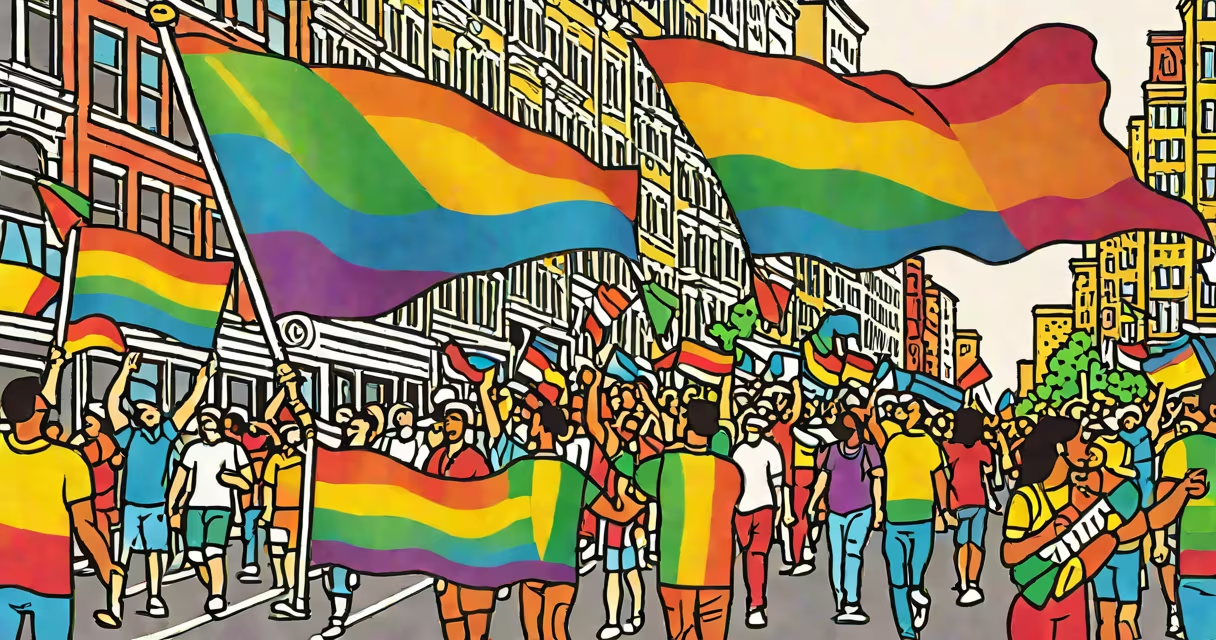
Pride Month occurs annually from June 1 to June 30, marking the anniversary of the 1969 Stonewall Uprising. The 2024 observance runs from June 1 through June 30, with local parades, rallies, and cultural events held across the United States and globally.
Pride Month began as a response to police raids on gay bars in New York City. The Stonewall Inn raid on June 28, 1969, sparked days of protests led by transgender women of color like Marsha P. Johnson and Sylvia Rivera. These actions laid the foundation for organized LGBTQ+ rights movements. The first Pride march was held on June 28, 1970, in New York, Los Angeles, and Chicago.
Today, Pride Month is observed in over 100 countries. Cities host large-scale events, including parades, art exhibitions, film screenings, and community forums. Participation ranges from corporate-sponsored floats to grassroots activism. The month's theme varies yearly; 2024's focus centers on "Resilience & Reclamation," emphasizing historical memory and ongoing advocacy.
Events begin in early June and peak around the middle of the month. Major cities like New York, San Francisco, Toronto, Berlin, and Sydney host official Pride parades. Attendance numbers vary widely: New York City's Pride March drew over 2 million people in 2023, according to the NYC Department of Transportation.
Local organizations often coordinate smaller gatherings. Libraries, schools, and places of worship may host educational panels or display rainbow-themed artwork. Businesses participate through marketing campaigns, though critics note performative allyship when companies promote Pride without supporting LGBTQ+ causes year-round.
Some communities hold "Pride in Place" events-virtual or neighborhood-based-especially in areas where public marches face legal restrictions or safety concerns. For example, in 2023, Kyiv hosted a Pride event despite a ban on large gatherings due to war conditions. Organizers used a mobile sound system and distributed flyers to maintain visibility.
Not all Pride-related activities are parades. Different formats serve distinct goals:
| Type | Focus | Example |
|---|---|---|
| Parade | Visibility, celebration, political expression | New York City Pride Parade (2023 attendance: 2.1 million) |
| March/Rally | Advocacy, protest, policy demands | Washington D.C. Pride March (2023: 300,000 attendees) |
| Art & Film Festival | Cultural storytelling, representation | Outfest Los Angeles (annual LGBTQ+ film festival) |
| Community Day | Education, inclusion, youth engagement | Seattle's Pride Community Day (free workshops, health screenings) |
While parades attract media attention, marches often have stronger ties to policy work. The 2023 Washington D.C. rally focused on reproductive rights and anti-trans legislation, drawing support from over 100 advocacy groups.
Pride is not solely a celebration of identity. It is also a political act rooted in resistance. Many participants attend to demand protections against discrimination, violence, and erasure. According to the Human Rights Campaign, 60% of LGBTQ+ youth report feeling unsafe at school, underscoring the need for sustained advocacy beyond a single month.
Another misconception is that Pride is exclusively for white, cisgender, gay men. The movement's origins lie in the efforts of Black, Latina, and Indigenous trans women. Marsha P. Johnson's legacy is honored annually at the Stonewall National Monument in New York. Her activism continues to influence modern movements like Black Trans Lives Matter.
A lesser-known fact: Pride Month was not always June. Early Pride events were held in various months depending on location. The choice of June was formalized in 1970 after the first anniversary of Stonewall. The date aligns with the start of summer in the Northern Hemisphere, making it practical for outdoor events and tourism.
Attendees don't need to identify as LGBTQ+ to participate. Allies are welcome at most events. However, respectful engagement matters. Avoid using Pride as a backdrop for photos without understanding the context. A 2022 study by GLAAD found that 43% of LGBTQ+ individuals felt alienated by "performative allyship" at Pride events.
For those unable to attend in person, many cities stream live coverage. New York City's Pride broadcast reached 1.2 million viewers online in 2023. Local libraries and community centers often host viewing parties with discussion guides.
I attended my first Pride in 2019 in Portland, Oregon. I joined a small group marching under a handmade banner reading "Trans Kids Are Not a Threat." The energy was electric-people of all ages, ethnicities, and gender expressions moving together. That moment confirmed what I'd read: Pride is both joy and defiance.
Understanding the history behind Pride strengthens participation. The movement's roots in resistance continue to inform current efforts. Whether attending a parade or hosting a conversation at home, honoring the past ensures Pride remains meaningful.