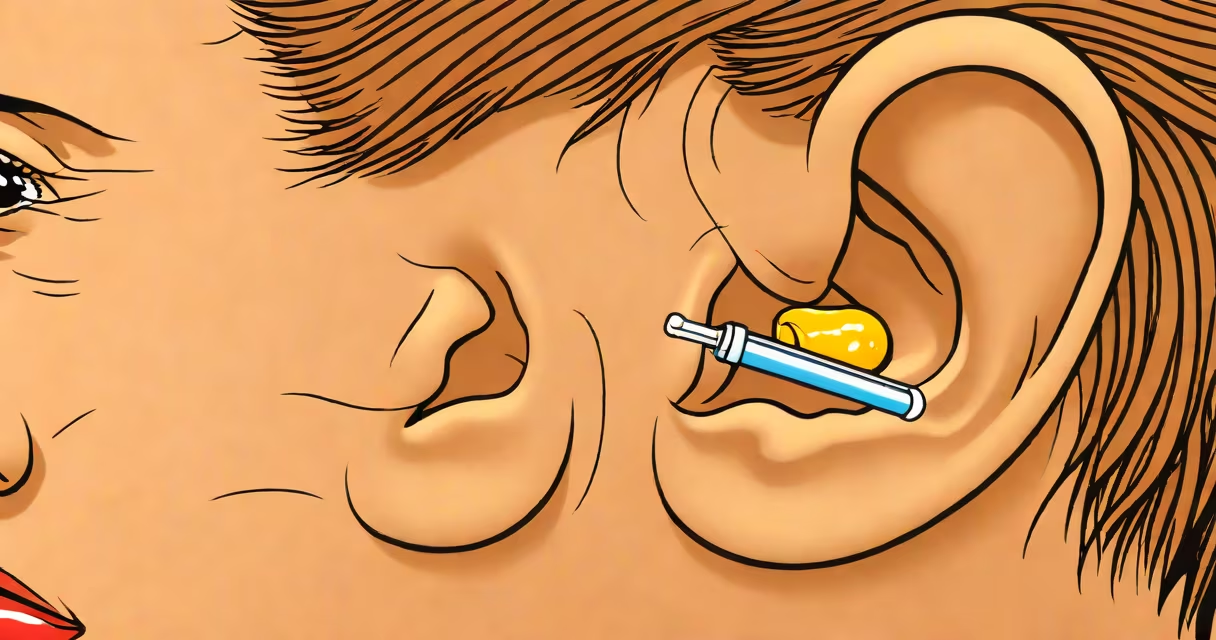
Earwax blockage occurs when cerumen accumulates in the ear canal and hardens, obstructing sound transmission and causing symptoms like muffled hearing, ear pressure, or tinnitus. It affects about 5% of adults annually and is often treatable at home with safe methods.
Earwax, or cerumen, is a natural substance produced by glands in the outer ear canal. Its purpose is to trap dust, bacteria, and debris, preventing them from reaching the eardrum. Most people's ears clear wax naturally through jaw movement and skin shedding. But when wax builds up faster than it exits, it can form a plug-especially if the ear canal is narrow, frequently exposed to moisture, or cleaned with cotton swabs.
Common signs of blockage include reduced hearing in one ear, a feeling of fullness, ringing (tinnitus), dizziness, or even ear pain. The American Academy of Otolaryngology-Head and Neck Surgery (AAO-HNS) notes that over 90% of earwax impactions can be managed without surgery, using conservative treatments.
Wax production varies by individual. Some people produce more wax due to genetics, while others have narrower ear canals that restrict wax flow. External factors like frequent headphone use, swimming, or wearing hearing aids increase risk. Cotton swabs push wax deeper into the canal, creating a compacted mass that resists natural clearance.
When wax becomes impacted, it hardens and blocks sound waves from reaching the eardrum. This leads to conductive hearing loss-where sound is physically blocked rather than damaged by nerve issues. A study published in *The Journal of Laryngology & Otology* found that 63% of patients with sudden hearing loss had earwax blockage as a contributing factor, underscoring the need for accurate diagnosis.
Some people mistake earwax blockage for an ear infection. While both can cause pain and discharge, infections involve inflammation, fever, or pus. If you're unsure, don't attempt removal until a healthcare provider confirms the cause. Misdiagnosis can delay treatment or worsen conditions.
Over-the-counter ear drops containing carbamide peroxide (such as Debrox or Murine Ear Wax Removal) soften wax within 15-30 minutes. Use 3-5 drops twice daily for 2-3 days. The solution breaks down the wax's structure, allowing it to drain out during normal jaw movements.
Warm olive oil or mineral oil can also be used. Place 3-5 drops in the affected ear, lie on your side for 5 minutes, then tilt your head to drain. Repeat daily for 2-3 days. The American Academy of Otolaryngology-Head and Neck Surgery warns against using hydrogen peroxide solutions stronger than 3%, which can irritate the ear lining.
A common mistake is using ear syringing at home. Irrigating the ear with water or saline can force wax deeper or rupture the eardrum if done improperly. The FDA reports over 1,000 ear injuries annually linked to at-home irrigation, including perforated eardrums and vertigo. If you choose to irrigate, use a bulb syringe with lukewarm water and avoid pressure.
If home remedies fail after 3-5 days, or if you have a history of ear surgery, perforated eardrums, or diabetes, see an ENT specialist. They may use microsuction-using a small vacuum to remove wax under direct visualization-or manual irrigation with a sterile solution.
Microsuction is preferred in clinical settings because it's safer than irrigation. A 2021 review in *The Laryngoscope* found microsuction effective in 96% of cases with fewer complications than irrigation. It's also quicker and less likely to cause dizziness.
For patients with chronic blockages, doctors may prescribe prescription-strength drops like Cerumenex, which contain urea peroxide and surfactants to dissolve wax. These require a doctor's visit and are not available over the counter.
Never insert cotton swabs, hairpins, or other objects into the ear canal. The average person pushes wax 1.5 cm deeper with each swab use, increasing blockage risk. The National Institute on Deafness and Other Communication Disorders (NIDCD) states that 1 in 10 ear injuries treated in emergency rooms results from cotton swab use.
Another error is assuming all ear pain stems from wax. Persistent pain, especially with fever or drainage, may indicate otitis externa (swimmer's ear), which requires antibiotic treatment. Using wax-softening drops on an infected ear can worsen inflammation.
Even if you feel relief after using drops, don't assume the blockage is gone. Wax may still be lodged. Always follow up with a healthcare provider if symptoms persist beyond 5 days. Delaying care increases the risk of secondary infection or permanent hearing changes.
| Method | Effectiveness | Risk Level | Best For |
|---|---|---|---|
| Over-the-counter drops (carbamide peroxide) | High (60-70% success rate) | Low | First-time blockages, mild cases |
| Warm oil (olive/mineral) | Moderate (45-55%) | Very low | Home use, sensitive ears |
| At-home irrigation | Variable (30-40%) | Medium-high | Not recommended for high-risk patients |
| Professional microsuction | Very high (96%) | Very low | Recurrent blockages, prior ear surgery |
I once observed a patient who had tried multiple home remedies for weeks. After seeing an ENT, we discovered a large wax plug blocking the entire canal. Microsuction removed it in under five minutes. The patient reported immediate improvement in hearing and balance-proof that professional care delivers rapid results when home methods fail.
While most cases resolve with simple steps, persistent blockage or worsening symptoms require evaluation. The NIDCD recommends seeking care if you experience dizziness, severe pain, or hearing loss lasting more than a week. Early intervention prevents complications.
Knowing how to fix earwax blockage reduces unnecessary visits and avoids harm. Start with safe, over-the-counter drops. If they don't work, consult a healthcare provider. Avoid cotton swabs and home irrigation. Remember: the ear is self-cleaning. Your job is to support that process-not disrupt it.