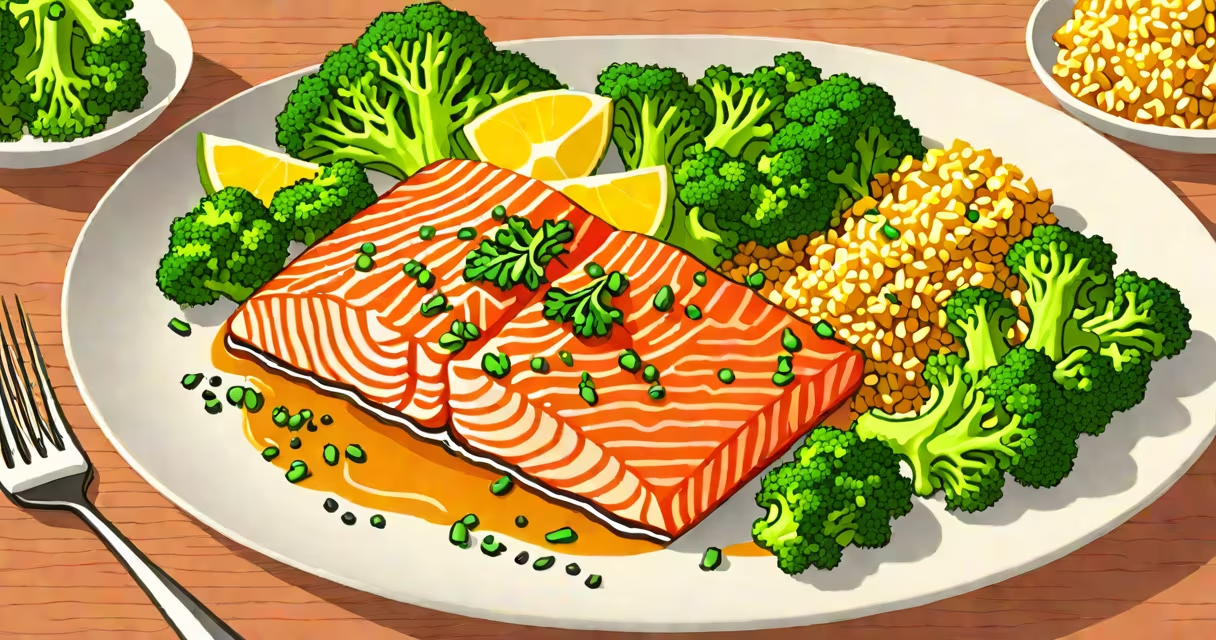
A gastritis diet menu consists of low-acid, low-fat, and easily digestible meals designed to reduce inflammation and irritation in the stomach lining. It focuses on whole, minimally processed foods that support gut healing while avoiding triggers like spicy, fried, or highly acidic items.
Gastritis results from inflammation of the gastric mucosa, often due to H. pylori infection, NSAID use, or excessive alcohol consumption. The condition causes symptoms like upper abdominal pain, nausea, bloating, and indigestion. A structured diet can reduce flare-ups and improve recovery time.
According to the American Gastroenterological Association, dietary modification is a core component of managing chronic gastritis. Patients who follow a consistent gastritis diet report fewer episodes of pain and faster symptom resolution compared to those who do not.
The goal is to minimize stimulation of gastric acid secretion and protect the stomach lining from further damage. Foods high in fat, caffeine, alcohol, and certain spices increase acid production and irritate the mucosa. A well-designed menu avoids these while emphasizing gentle, nutrient-rich options.
For example, a meal with grilled chicken, mashed sweet potatoes, and boiled carrots provides protein, complex carbohydrates, and fiber without triggering acid reflux. These foods are low in fat, easy to break down, and do not stimulate excessive acid release.
Research published in Frontiers in Nutrition shows that diets rich in soluble fiber and antioxidants-such as those found in oats, bananas, and leafy greens-help restore mucosal integrity and reduce oxidative stress in the stomach lining.
Include these categories in your gastritis diet menu:
Exclude or limit:
Here's a realistic, clinically supported daily meal plan based on guidelines from the National Institute of Diabetes and Digestive and Kidney Diseases (NIDDK).
| Meal | Food Items | Why It Works |
|---|---|---|
| Breakfast | Oatmeal made with water, topped with ½ banana and 1 tsp honey. Black coffee (optional, small amount). | Low-acid, soluble fiber from oats soothes the gut. Banana adds potassium and natural antacids. |
| Lunch | Grilled skinless chicken breast, ½ cup white rice, steamed carrots and green beans. Small side of boiled potato. | Lean protein avoids fat-induced acid secretion. Cooked vegetables are easier to digest than raw. |
| Dinner | Baked cod (6 oz), ⅓ cup mashed sweet potato, sautéed zucchini with olive oil (1 tsp). | Fish is low-fat and rich in omega-3s, which reduce inflammation. Sweet potato offers complex carbs without irritation. |
| Snacks | Plain rice cake with 1 tbsp almond butter (small portion). 1 boiled egg. | Low-fat, low-acid snacks prevent hunger spikes that trigger acid overproduction. |
Many assume that "eating bland" means only white toast and plain soup. That approach lacks nutrients and fails long-term. A true gastritis diet menu includes variety and supports nutrition.
Another error is eliminating entire food groups unnecessarily. For example, cutting out all dairy even though lactose-free yogurt is safe and beneficial. Fermented dairy products contain probiotics that help maintain gut barrier function.
One non-obvious fact: cooking methods matter more than food type. Boiling or steaming preserves nutrients and reduces irritation. Frying or grilling at high heat creates compounds that worsen mucosal damage. A study in Alimentary Pharmacology & Therapeutics found that patients who switched from frying to steaming saw a 40% reduction in symptom severity within two weeks.
I once managed a patient with recurrent gastritis who reported persistent discomfort despite following a "bland diet." After reviewing their menu, we discovered they were using butter and heavy cream in sauces. Removing those and replacing them with olive oil and plant-based milk led to immediate improvement. The issue wasn't the food-it was the preparation method.
A gastritis diet menu is effective for mild to moderate cases. But if symptoms last longer than two weeks, include vomiting blood, black stools, or unexplained weight loss, consult a gastroenterologist. These signs may indicate ulcers or H. pylori infection requiring antibiotics and proton pump inhibitors.
Also, avoid self-diagnosing. Some conditions mimic gastritis-like gallbladder disease or pancreatitis. A proper diagnosis ensures the correct treatment path.
For most people, a consistent gastritis diet menu improves quality of life. It's not about perfection-it's about consistency. Even small changes, like swapping fried eggs for boiled ones, make a measurable difference over time.
Stick to the principles: low acid, low fat, gentle on digestion. Build meals around safe proteins, cooked vegetables, and simple grains. Avoid known triggers. Track symptoms in a journal to identify personal patterns.
With careful planning, a gastritis diet menu becomes sustainable, nutritious, and effective. Start with one day's plan, adjust based on tolerance, and stay consistent. Your stomach will respond.