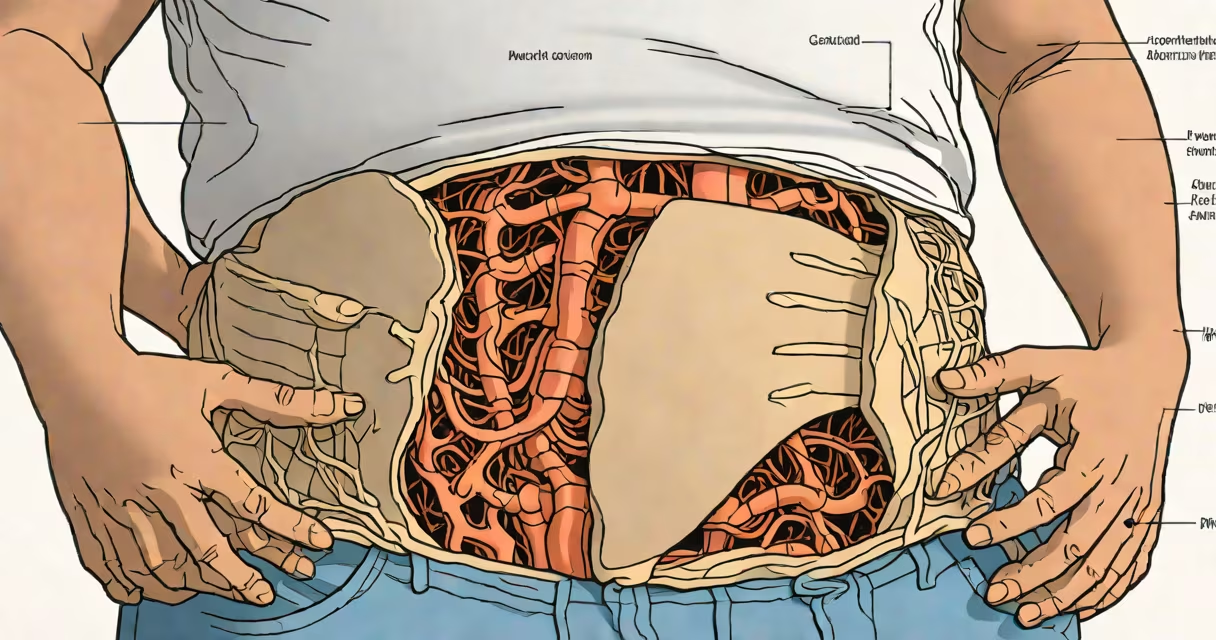
A stomach ulcer causes a burning, gnawing, or aching pain in the upper middle abdomen, often occurring when the stomach is empty and easing after eating or taking antacids. The sensation may last minutes to hours and can persist for days or weeks.
Ulcers form when the protective lining of the stomach is damaged, allowing stomach acid to irritate the underlying tissue. This damage usually results from infection with Helicobacter pylori bacteria or long-term use of NSAIDs like ibuprofen or aspirin. The pain typically develops gradually and worsens over time if untreated.
According to the National Institute of Diabetes and Digestive and Kidney Diseases (NIDDK), about 20 million Americans develop a peptic ulcer at some point in life. The most common symptom is epigastric pain-located just below the breastbone and above the navel. This pain often follows a pattern: it appears 2-3 hours after eating or during the night when the stomach is empty.
The pain from a stomach ulcer is often described as sharp, dull, or burning. It's not the same as hunger pangs-it doesn't come and go with food intake. Instead, it tends to appear when the stomach is empty and may be relieved temporarily by eating or taking antacids.
For example, a 45-year-old office worker reported waking up at 2 a.m. with a deep, burning ache in the center of his upper belly. He ate a small snack and felt better for 30 minutes, then the pain returned. Over several nights, he noticed the discomfort intensified and began to interfere with sleep. After seeing a doctor, he was diagnosed with a duodenal ulcer caused by H. pylori infection.
Some people describe the sensation as "like a knife under the ribs" or "a hot coal in the stomach." The intensity varies-some feel mild discomfort, others report severe pain that radiates to the back or chest. The pain may also come with bloating, nausea, or a feeling of fullness after eating small amounts.
There are two main types of peptic ulcers: gastric ulcers (in the stomach) and duodenal ulcers (in the first part of the small intestine). Their pain patterns differ slightly.
| Type | Pain Timing | Relief With Food? | Common Location |
|---|---|---|---|
| Gastric ulcer | Occurs shortly after eating | No-may worsen | Upper central abdomen, sometimes left side |
| Duodenal ulcer | Hours after eating or at night | Yes-eating brings relief | Just below the sternum, may spread to back |
People with gastric ulcers often report pain that worsens after meals because food stimulates acid production. Duodenal ulcer sufferers feel better after eating because food neutralizes acid in the duodenum. This difference is key to distinguishing ulcer types clinically.
Stomach ulcer pain is frequently mistaken for heartburn, gastritis, or even anxiety-related stomach discomfort. Heartburn involves a burning sensation behind the breastbone and is often triggered by spicy foods or lying down. Ulcer pain is deeper and more persistent, especially when the stomach is empty.
Another common confusion is mistaking ulcer pain for that of a stomach bug. A viral gastroenteritis typically causes sudden onset of cramping, diarrhea, nausea, and vomiting-symptoms that resolve within 24-48 hours. Ulcer pain lasts longer, recurs daily, and may be accompanied by weight loss or black stools (a sign of bleeding).
One non-obvious distinction: ulcers don't cause fever. If someone has fever, chills, or bloody diarrhea, it's unlikely to be an ulcer. According to the American Gastroenterological Association, fever is rare in uncomplicated peptic ulcers and suggests another condition such as Crohn's disease or an infection.
Pain that wakes you at night, persists despite antacids, or returns after initial improvement should prompt medical evaluation. More serious signs include:
These symptoms indicate possible bleeding or perforation-a medical emergency. The NIDDK reports that about 10% of ulcers bleed, and 1% perforate. Without treatment, complications can be fatal.
I once saw a patient who dismissed his nighttime pain as "just stress." He delayed care for six weeks. By the time he presented, he had lost 12 pounds and was anemic. Endoscopy revealed a large gastric ulcer with active bleeding. He required hospitalization and surgery. Early diagnosis prevents such outcomes.
Doctors use endoscopy to confirm an ulcer. During the procedure, a thin tube with a camera is passed through the mouth to examine the stomach lining. Biopsies can test for H. pylori. Blood tests and breath tests also detect the bacteria.
Other conditions that mimic ulcer pain include gallstones (pain under the right rib cage), pancreatitis (deep, constant pain radiating to the back), and esophagitis (heartburn-like pain with acid reflux). Accurate diagnosis requires testing-not just symptom comparison.
If you're unsure whether your pain is from an ulcer or something else, consider what do stomach spasms feel like. Stomach spasms are sudden, cramp-like contractions, often linked to gas or irritable bowel syndrome. They differ from ulcer pain in timing, duration, and response to food.
What would a stomach ulcer feel like? It's a recurring, burning or gnawing pain in the upper middle abdomen, often worse when the stomach is empty and improved by eating or antacids. The pain may last hours and return nightly. It's not the same as hunger, heartburn, or a stomach bug.
Recognizing the pattern-especially if it persists beyond a few days-is critical. Left untreated, ulcers can lead to bleeding, perforation, or obstruction. Early diagnosis through endoscopy and treatment with antibiotics (for H. pylori) or proton pump inhibitors reduces risk and restores quality of life.