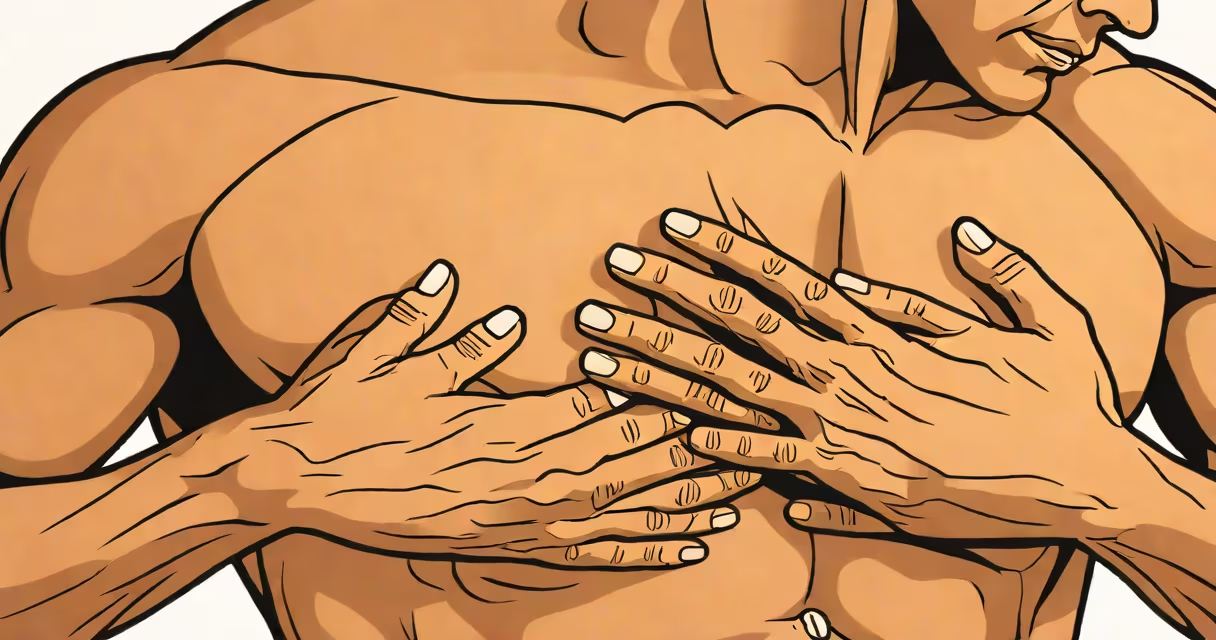
A strained pec causes sudden, sharp pain in the chest muscle, especially when lifting, pushing, or stretching the arm across the body. The sensation often feels like a deep ache or tearing, worsens with activity, and may be accompanied by swelling, tenderness, or bruising. This condition results from overstretching or tearing the pectoralis major muscle, usually during weightlifting or contact sports.
The pectoralis major, the large muscle covering the front of the chest, contracts forcefully during movements like bench presses, push-ups, or throwing. When overloaded-especially under heavy resistance-the muscle fibers can stretch beyond their limit. A strain occurs when those fibers partially tear. The severity ranges from mild (Grade 1) to severe (Grade 3), with Grade 3 involving a complete rupture requiring surgical repair.
According to the American Academy of Orthopaedic Surgeons (AAOS), most pec strains occur during resistance training, particularly when performing barbell bench presses with poor form or excessive weight. The injury typically happens during the eccentric phase-lowering the bar-when the muscle is under maximum tension. A 2021 study in the Journal of Shoulder and Elbow Surgery found that 68% of reported pectoralis major tears occurred in men aged 25-45 during gym-based exercises.
Pain from a strained pec is usually immediate and localized to the center or lower part of the chest. It intensifies when the arm is raised overhead or pushed forward, such as during a push-up or overhead press. You may notice a visible indentation or bulge near the sternum if the muscle has partially torn. Swelling and warmth around the area develop within hours.
Other physical indicators include limited range of motion-difficulty reaching across the body or lifting objects-and a feeling of weakness in the affected arm. Some people report hearing a snap or pop at the moment of injury. While mild strains may allow continued activity with discomfort, moderate to severe cases make daily tasks difficult.
For example, a 32-year-old male experienced sudden chest pain while doing a heavy set of incline dumbbell presses. He felt a sharp tug in his left chest, dropped the weights, and couldn't raise his arm above shoulder level. By the next morning, he had noticeable swelling and bruising along the inner edge of his chest. An MRI confirmed a partial tear of the pectoralis major tendon at its insertion point on the humerus.
One critical distinction is that a strained pec pain is movement-dependent and localized. It doesn't radiate to the jaw, neck, or left arm. Heart-related chest pain-such as from angina or a heart attack-is often described as pressure, tightness, or heaviness, not sharp or tearing. It may come and go with exertion and improve with rest.
According to the Mayo Clinic, cardiac chest pain frequently occurs during physical effort and subsides when stopped. It's often associated with shortness of breath, nausea, cold sweats, or dizziness. A strained pec lacks these systemic symptoms. If you're unsure, seek medical evaluation-especially if you have risk factors like high blood pressure, diabetes, or a family history of heart disease.
As a personal observation, I once mistook a minor pec strain for cardiac distress during a workout. The pain was intense and centered in my chest. After stopping and resting, the pain resolved within 15 minutes and didn't return during light activity. A follow-up with a physical therapist confirmed it was a Grade 1 strain. That experience reinforced the importance of tracking symptom patterns.
Strains are classified by severity:
| Grade | Description | Recovery Time | Common Activities |
|---|---|---|---|
| 1 | Mild overstretching; minimal tearing | 1-3 weeks | Light resistance, stretching |
| 2 | Partial tear; significant pain and swelling | 4-8 weeks | Weightlifting, pushing motions |
| 3 | Complete rupture; loss of function | 3-6 months (often surgical) | Any upper-body exertion |
Grade 1 strains respond well to rest, ice, compression, and elevation (RICE). Over-the-counter NSAIDs like ibuprofen reduce inflammation and pain. Gradual reintroduction of movement begins after 48 hours of rest. For Grade 2 and 3 injuries, medical imaging-like ultrasound or MRI-is required to assess damage. Surgery is recommended for complete tears to restore strength and function.
Recovery time varies based on age, fitness level, and adherence to rehabilitation. A 2020 review in the British Journal of Sports Medicine noted that patients who began early physical therapy within 7 days of injury regained full strength 30% faster than those who delayed treatment.
Consult a healthcare provider if pain persists beyond 5-7 days, worsens with rest, or limits your ability to perform basic tasks. Red flags include inability to move the arm, visible deformity, or numbness/tingling in the arm or hand. These may indicate nerve involvement or a more serious injury.
Do not assume chest pain is musculoskeletal. The American Heart Association warns that up to 30% of heart attacks in young adults present with atypical symptoms, including chest muscle pain. If you're uncertain, get evaluated. A doctor can rule out cardiac causes with an ECG, blood tests, or imaging.
Understanding what a strained pec feels like helps distinguish it from other conditions. Recognizing the onset, location, and triggers allows for timely care and prevents further injury. Always prioritize accurate diagnosis over self-assessment.