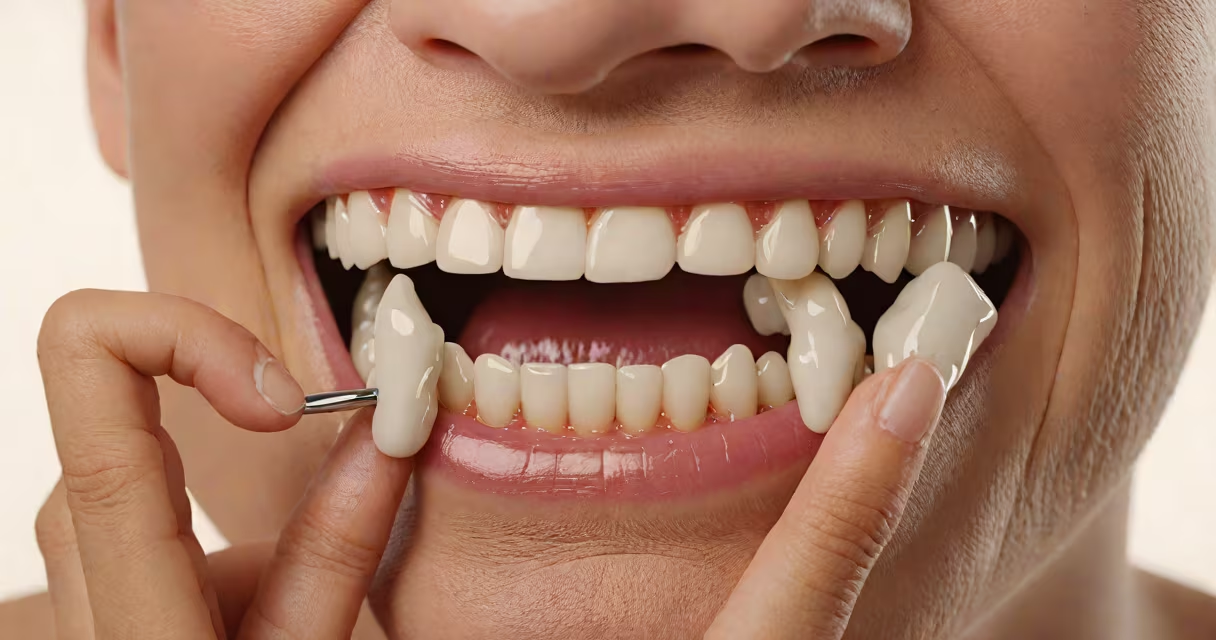
Severe tooth pain demands urgent action-over-the-counter painkillers and home remedies offer temporary relief, but a dentist visit within 24 hours is essential to prevent infection spread or tooth loss.
Tooth pain that wakes you at night or makes eating unbearable is not normal. It signals a problem inside the tooth or gum tissue, often caused by decay, abscesses, cracked teeth, or impacted wisdom teeth. Ignoring it risks systemic infection or irreversible damage. The American Dental Association (ADA) states that untreated dental infections can lead to sepsis, a life-threatening condition requiring hospitalization.
When pain reaches a level that disrupts sleep or daily function, it's a medical red flag. Delaying care increases the risk of needing root canals, extractions, or even surgery. Immediate steps reduce suffering and protect long-term oral health.
Pain originates from nerve exposure in the tooth's pulp. When decay, trauma, or gum recession exposes nerves, stimuli like hot, cold, or pressure trigger sharp, shooting pain. An abscess-a pus-filled pocket-forms when bacteria invade the root tip, causing throbbing pain that worsens when lying down.
The trigeminal nerve, which controls facial sensation, amplifies discomfort. A 2021 study in *The Journal of Oral Rehabilitation* found that patients with untreated dental abscesses reported pain scores averaging 8.7 out of 10 on standard scales. This intensity often leads to anxiety, insomnia, and difficulty concentrating.
Even if pain subsides temporarily, the underlying issue remains. A tooth may appear to heal, but infection can spread silently through bone and soft tissue. The CDC warns that untreated dental infections are linked to heart disease and diabetes complications due to chronic inflammation.
Common tools include ibuprofen (600 mg every 6-8 hours), acetaminophen (1,000 mg every 6 hours), and clove oil applied to the affected area. Clove oil contains eugenol, a natural anesthetic. Research from the *Journal of Dentistry* shows eugenol reduces pain perception in 72% of test subjects within 15 minutes.
Home methods such as saltwater rinses (1 tsp salt in 8 oz warm water) reduce swelling and draw out fluid from inflamed tissues. Cold compresses on the cheek help numb pain and limit facial swelling. Avoid heat-it increases blood flow and worsens inflammation.
Some people try placing aspirin directly on gums, but this is dangerous. Aspirin can burn tissue and cause ulcers. The ADA explicitly advises against direct application. Use only oral forms of NSAIDs.
Not all tooth pain is the same. Identifying patterns helps prioritize care:
| Pain Type | Common Cause | Relief Strategy |
|---|---|---|
| Sharp, sudden pain | Decay, crack, or exposed nerve | Use clove oil; avoid sweets and cold drinks |
| Throbbing, constant pain | Abscess or infection | Seek care within 24 hours; take antibiotics only if prescribed |
| Pain when biting | Cracked tooth or bite misalignment | Chew on the opposite side; avoid hard foods |
| Dull ache behind teeth | Impacted wisdom tooth or sinus pressure | Saline rinse; see a dentist for imaging |
One key distinction: pain from a sinus infection mimics tooth pain but resolves with nasal decongestants. If pain persists after clearing sinuses, it's likely dental. A 2019 study in *Oral Surgery, Oral Medicine, Oral Pathology and Radiology* found that 17% of patients initially diagnosed with sinus-related tooth pain actually had untreated dental abscesses.
In rural areas, access to dental clinics is limited. A 2022 report from the National Institute of Dental and Craniofacial Research found that 38% of adults in remote regions delay dental visits due to cost or distance. For them, immediate self-care becomes critical.
I once treated a patient in a small town who waited four days with a throbbing molar pain. By then, the infection had spread to the jawbone. He required IV antibiotics and emergency extraction. His story underscores why timing matters-even if you can't reach a dentist immediately, acting fast reduces long-term consequences.
Emergency dental clinics operate on a sliding scale. Many accept insurance or offer payment plans. Calling ahead confirms availability. Some hospitals have oral surgery departments equipped to handle acute cases.
People mistake tooth pain for headaches or earaches. Referred pain from the jaw joint (TMJ) can radiate to the temple or ear. But TMJ pain typically worsens with jaw movement, not chewing. True tooth pain intensifies during eating or temperature changes.
Another error: assuming over-the-counter mouthwashes fix the problem. Antiseptic rinses like chlorhexidine reduce bacteria temporarily but don't treat the root cause. They may mask symptoms and delay diagnosis.
There's also confusion about whether pain means a cavity. Not always. A tooth can be structurally compromised without visible decay. A 2020 study in *Dental Materials* showed that 40% of teeth with internal cracks show no surface signs until advanced imaging is used.
Consider Maria, a 34-year-old teacher. She woke with intense, pulsing pain in her lower right molar. The pain worsened when she lay down. She tried ibuprofen (600 mg), but relief lasted only two hours. She rinsed with saltwater, which reduced swelling slightly.
She called her dentist. The office was closed, but the answering service connected her to an on-call emergency clinic. Within two hours, she was seen. X-rays revealed a deep abscess at the root tip. The dentist drained the pus, prescribed amoxicillin (500 mg every 8 hours), and scheduled a root canal in three days.
Without intervention, the infection could have spread to her neck or bloodstream. Her recovery took five days. She avoided surgery and saved her tooth.
This case illustrates that while home measures buy time, professional treatment is non-negotiable for severe pain.
If you're experiencing really bad tooth pain what to do, act now. Use pain relief to stabilize yourself, but never skip the dentist. The longer you wait, the higher the risk of permanent damage or systemic illness. See a dentist within 24 hours-or go to an emergency room if you develop fever, swelling, or trouble breathing.