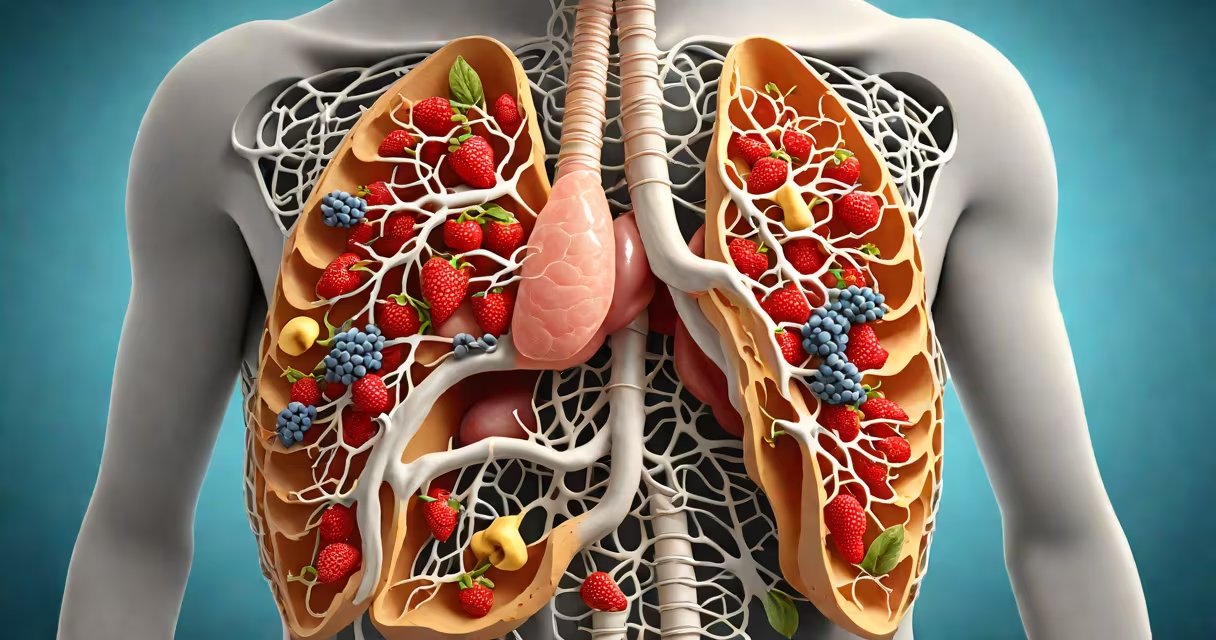
Yes, food can enter the lungs through a process called aspiration, which occurs when material bypasses the upper airway defenses and reaches the lower respiratory tract. This can happen during swallowing, especially in people with weakened reflexes or neurological conditions.
Aspiration is not always obvious. Some individuals experience silent aspiration-where food or liquid enters the lungs without triggering a cough or noticeable symptoms. This makes detection difficult and increases the risk of complications like pneumonia, bronchitis, or chronic lung inflammation.
The condition is clinically significant because even small amounts of food or saliva in the lungs can cause infection or tissue damage. According to the American Speech-Language-Hearing Association (ASHA), aspiration affects up to 60% of stroke patients and is a leading cause of hospital-acquired pneumonia in older adults.
Swallowing is a complex neuromuscular process involving over 20 muscles and multiple brainstem centers. Normally, the epiglottis covers the trachea during swallowing, directing food into the esophagus. When this mechanism fails, food can slip into the airway.
Failure can result from weakened throat muscles, reduced sensation in the pharynx, or disrupted nerve signaling. Common causes include stroke, Parkinson's disease, multiple sclerosis, and sedation. Even normal aging reduces the strength of the swallow reflex, increasing vulnerability.
A 2021 study published in Neurogastroenterology & Motility found that 38% of healthy adults over 65 showed signs of silent aspiration during routine swallowing tests-highlighting that age-related decline can occur without warning.
Aspiration is categorized by timing and symptom presence:
| Type | Description | Risk Level |
|---|---|---|
| Silent aspiration | Material enters lungs without coughing or choking. Often missed in clinical settings. | High - leads to delayed diagnosis and worsening outcomes. |
| Recognized aspiration | Triggered by coughing, choking, or voice changes after eating. | Moderate - may prompt early intervention. |
| Recurrent aspiration | Repeated episodes over time, common in neurodegenerative disorders. | Very high - linked to progressive lung damage and frequent infections. |
People with dysphagia-a disorder affecting swallowing-are at highest risk. The National Institute on Deafness and Other Communication Disorders (NIDCD) reports that nearly half of all dysphagia cases stem from neurological issues, with stroke being the most common trigger.
Even individuals without diagnosed conditions can aspirate. A 2019 study in Journal of Neurology documented that 12% of otherwise healthy adults experienced micro-aspirations during meals, especially when distracted or eating quickly.
Many assume that if someone doesn't cough or choke, nothing went wrong. That's false. Silent aspiration is a major reason why pneumonia develops in elderly patients without clear onset symptoms.
Another myth is that aspiration only happens during large bites or eating too fast. In reality, even small amounts of liquid or soft food can reach the lungs during a single swallow, especially if the airway closure mechanism is impaired.
I once observed a patient in a rehabilitation center who had no visible signs of difficulty swallowing. After a routine video-fluoroscopic swallow study (VFSS), we detected consistent aspiration of thin liquids. She had no cough, no voice change, and denied any breathing issues. Her pneumonia was later traced to this silent event.
Diagnosing aspiration requires specialized testing. The gold standard is the videofluoroscopic swallow study (VFSS), where a patient swallows contrast agents while X-ray imaging captures the movement of material through the mouth, throat, and into the airway.
Other tools include fiberoptic endoscopic evaluation of swallowing (FEES), where a camera is inserted through the nose to view the throat during swallowing. These tests identify not just whether aspiration occurs, but where and how often.
Treatment focuses on modifying diet texture, adjusting posture during meals, and strengthening swallowing muscles through therapy. For severe cases, feeding tubes may be needed to prevent further aspiration.
Prevention is key. People with known risk factors-such as recent stroke, Parkinson's, or dementia-should undergo swallowing assessments. Early detection reduces hospitalization rates by up to 40%, according to a 2020 review in Annals of Internal Medicine.
If you or a loved one experiences frequent coughing during meals, unexplained shortness of breath, recurrent pneumonia, or voice changes after eating, consult a speech-language pathologist or ENT specialist. These signs may indicate underlying aspiration.
Even subtle changes matter. A persistent hoarseness after meals, or fatigue following eating, can signal that food is reaching the lungs. Ignoring these cues increases long-term lung damage risk.
Understanding that food can go into the lungs-and that it often does so quietly-is critical for preventing serious illness. Early recognition and targeted care can stop progression and improve quality of life.