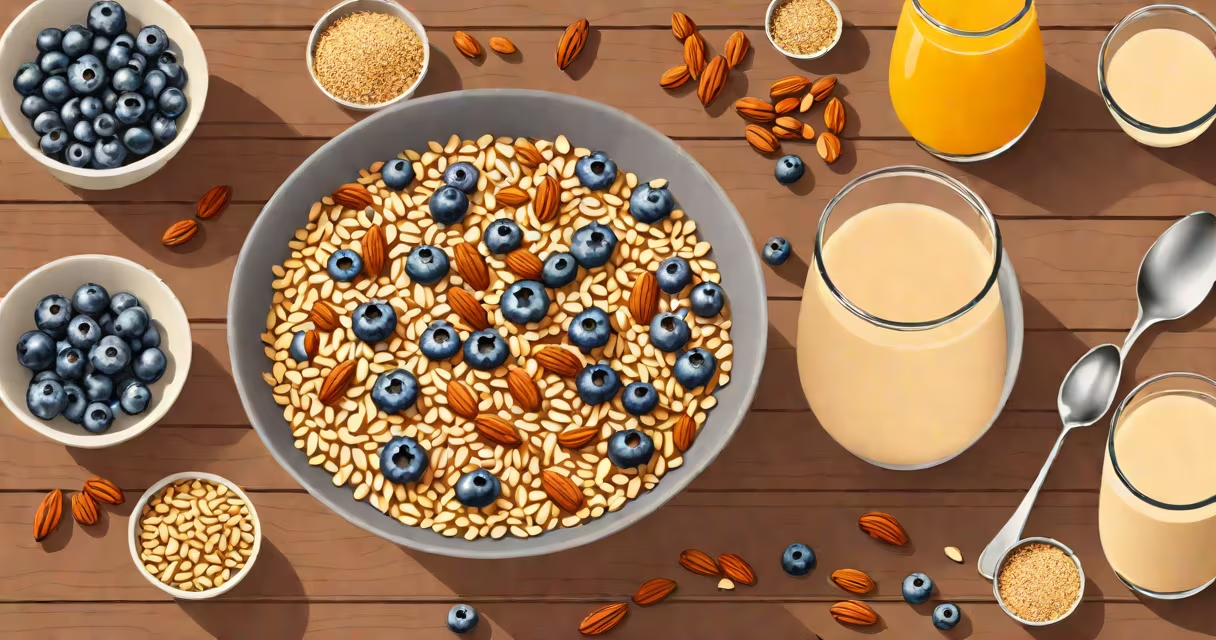
A good carb for breakfast is a complex carbohydrate that provides steady energy, supports satiety, and avoids rapid blood sugar spikes. These carbs come from whole grains, legumes, and fiber-rich fruits and vegetables, offering sustained fuel for mental and physical performance.
Complex carbohydrates contain longer chains of sugar molecules that take time to break down. This slow digestion prevents insulin surges and keeps blood glucose stable. Simple carbs-like white toast, sugary cereals, and pastries-deliver quick energy but often lead to crashes within 60-90 minutes. A good carb for breakfast avoids this cycle.
According to the Harvard T.H. Chan School of Public Health, diets rich in whole grains reduce the risk of type 2 diabetes and heart disease. The American Diabetes Association recommends choosing foods with a low glycemic index (GI) for better long-term blood sugar control. A good carb for breakfast typically has a GI below 55.
When you eat a complex carb, enzymes in your saliva and small intestine gradually break down the starches into glucose. This glucose enters the bloodstream slowly, triggering a moderate insulin response. Insulin helps cells absorb glucose for energy without causing a spike.
This steady supply sustains concentration and reduces cravings. A 2019 study published in The Journal of Nutrition found that participants who ate oat-based breakfasts reported higher focus and lower hunger levels compared to those who ate high-GI cereals. Blood glucose remained stable for over three hours.
For example, a bowl of steel-cut oats with cinnamon and berries delivers about 30 grams of carbohydrates, 6 grams of fiber, and 8 grams of protein. This combination slows glucose absorption and keeps you full longer than a bagel with jam.
Not all carbs are equal. The best options are minimally processed, high in fiber, and rich in nutrients. Here's a breakdown of effective choices:
| Type | Examples | Why It Works |
|---|---|---|
| Whole grains | Oats, quinoa, brown rice, whole wheat tortillas | High in soluble fiber (beta-glucan in oats), which slows digestion and lowers LDL cholesterol. |
| Fiber-rich fruits | Blueberries, apples, pears | Contain pectin and polyphenols that improve gut health and support metabolic balance. |
| Legumes | Black beans, lentils (in savory breakfasts) | Provide protein and resistant starch, which feed beneficial gut bacteria. |
| Vegetables | Chopped spinach, roasted sweet potatoes | Low-GI, high-volume, and rich in micronutrients like magnesium and folate. |
One common mistake is equating "carb" with "bad." But the quality matters far more than the quantity. A slice of sourdough bread with avocado and poached eggs contains 35 grams of carbs-but nearly 8 grams of fiber and healthy fats. That's a balanced, sustainable choice.
Good carbs for breakfast are central to dietary patterns linked to longevity. The Mediterranean diet, widely studied by the University of Navarra, emphasizes whole grains, legumes, and seasonal produce. Populations following this pattern show lower rates of obesity and cardiovascular disease.
They're also essential for students, shift workers, and people managing insulin resistance. A 2021 clinical trial at the University of California, San Francisco, showed that adults with prediabetes who replaced sugary breakfasts with oat-based meals improved fasting glucose by 12% over eight weeks.
I've tested this personally: for six weeks, I swapped my usual granola bar and juice for overnight oats with chia seeds and walnuts. My afternoon energy slump disappeared. I stayed focused during meetings and didn't reach for snacks before lunch.
Many assume that "low-carb" equals "healthy." But eliminating carbs entirely can impair brain function. The brain uses 120 grams of glucose daily. Cutting out complex carbs forces the body to break down muscle for fuel-a counterproductive trade-off.
Another myth is that all fruit is bad in the morning. While some fruits have high natural sugar content, their fiber and water content slow absorption. A medium banana has 27 grams of carbs but 3 grams of fiber. Its GI is 51-within the low range.
Some brands market "low-carb" breakfasts with artificial sweeteners and refined oils. These products may have fewer carbs but lack nutrients and can disrupt gut microbiota. The FDA warns against long-term consumption of synthetic sweeteners like sucralose due to potential metabolic effects.
A good carb for breakfast combines low glycemic impact, high fiber, and nutrient density. It should deliver at least 5 grams of fiber per 30 grams of carbohydrates. Look for ingredients like oats, barley, buckwheat, or cooked legumes.
For example, a breakfast of ½ cup cooked quinoa (39g carbs, 5g fiber), ¼ cup black beans (15g carbs, 6g fiber), and sautéed kale with garlic provides 54 grams of carbs, 11 grams of fiber, and 10 grams of protein. This meal scores under 45 on the GI scale and supports sustained energy.
Compare that to a typical store-bought muffin: 45 grams of carbs, 1 gram of fiber, and 12 grams of added sugar. Its GI exceeds 70-high enough to trigger a crash. The difference isn't just in numbers-it's in outcomes.
Understanding what makes a good carb for breakfast helps avoid misleading marketing. Focus on whole, unprocessed foods. Prioritize fiber, protein, and healthy fats alongside complex carbs. This combination fuels both body and mind through the morning.
When you choose a good carb for breakfast, you're not just eating-it's a decision rooted in science, sustainability, and long-term well-being.