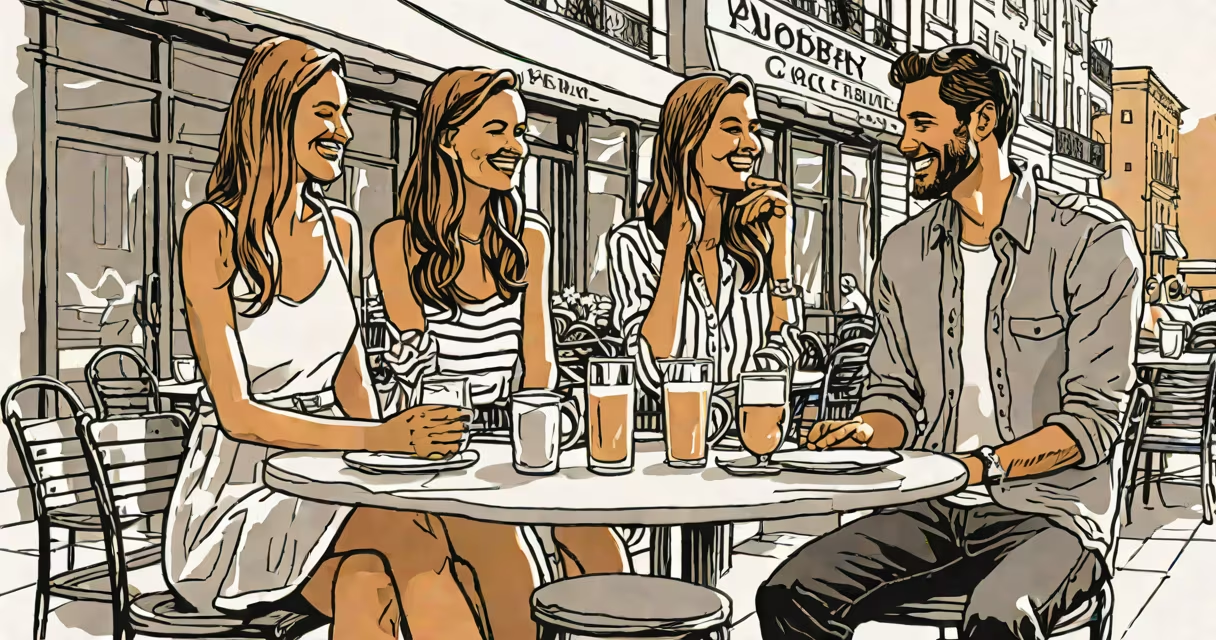
A first date outfit should communicate interest, respect, and personal style without trying too hard. Choose clothes that reflect your authentic self while fitting the setting-casual, semi-formal, or upscale depending on the venue.
For most first dates, aim for clean, well-fitted basics with subtle details. A tailored shirt or blouse, dark jeans or tailored pants, and polished shoes create a balanced look. Avoid loud patterns, overly tight fits, or excessive accessories. The goal is to feel confident and allow conversation to flow.
Research from the University of Pennsylvania's Wharton School shows that people form lasting impressions within 7 seconds of meeting someone. Clothing contributes to that initial judgment. A study published in *Social Psychological and Personality Science* found that individuals perceived as well-dressed were rated higher in competence and trustworthiness-even when no other information was given.
Your outfit acts as nonverbal communication. Colors, fit, and grooming signal attention to detail and self-respect. Neutral tones like navy, beige, or charcoal often read as safe and professional, while soft accent colors add personality without distraction.
Men should avoid wearing gym clothes, tank tops, or hats indoors. Women should steer clear of low-cut tops, sheer fabrics, or high heels unless the venue supports them. Both genders benefit from avoiding strong scents, which can trigger discomfort or distraction.
At a casual coffee shop, a button-down shirt with chinos and loafers works. For dinner at a restaurant, a dress or blazer with dark trousers adds polish. Always consider the weather-layering keeps you comfortable and composed.
Match your outfit to the location. A mismatched vibe can send unintended signals. Here's how to adjust based on common venues:
| Setting | Recommended Attire | What to Avoid |
|---|---|---|
| Coffee shop or park | Comfortable jeans, sweater, sneakers or boots | Baggy hoodies, flip-flops, wrinkled shirts |
| Restaurant (dinner) | Dress or tailored pants with a button-up; heels or dress shoes | Jeans with holes, graphic tees, worn-out shoes |
| Art gallery or rooftop bar | Smart-casual: collared shirt, dark trousers, leather shoes | Overly flashy jewelry, sleeveless tops, sandals |
When in doubt, err on the side of slightly more formal. You can always remove a jacket or roll up sleeves later. Being underdressed risks looking disinterested; overdressing may seem performative.
Many people wear their favorite outfit-like a favorite band tee or vintage jacket-without considering context. That shirt might express identity, but it could also distract from conversation or clash with the environment.
Another frequent error: choosing something that's too trendy. A viral TikTok outfit from last week may feel exciting now, but it ages poorly. Trends fade quickly, and outdated fashion can hurt long-term perception.
One non-obvious rule: avoid matching your partner's color scheme. If they're wearing red, don't wear red too. This avoids visual competition and prevents the "matching couple" effect, which can feel staged rather than natural.
I once observed a man at a small Italian bistro in Brooklyn. He wore a navy merino wool sweater, black chinos, and brown leather oxfords. His hair was neatly trimmed, and he carried a slim leather wallet-not a phone case or fanny pack. He arrived five minutes early, stood calmly, and greeted his date with eye contact and a warm smile.
The woman wore a cream-colored linen dress with a fitted waist and flat suede sandals. Her makeup was minimal, her nails clean. She didn't wear perfume. They talked for 90 minutes about books, travel, and work-no awkward silences.
Afterward, both reported feeling relaxed and respected. Neither mentioned the other's outfit, but both said they felt "seen." That's the sign of a good first date outfit: it fades into the background so the connection can take center stage.
"What should I wear on a first date" is not the same as "what should I wear to impress." The latter focuses on winning approval. The former prioritizes mutual comfort and authenticity.
Some assume a first date requires a suit or cocktail dress. That's only true for specific settings-like a formal gala or a business networking event. For most first meetings, especially outdoors or in casual venues, such attire feels out of place and creates distance.
Also, avoid using your outfit as a test. Wearing something daring to see if your date "likes it" turns the date into a performance. Your goal isn't to prove anything-you're sharing time, not auditioning.
Once, I wore a floral print shirt to a first date. I thought it showed creativity. My date politely said, "It's very... bold." We never met again. I learned that even if you love a piece, it doesn't belong everywhere.
Instead, focus on fit, cleanliness, and intention. A well-pressed pair of jeans with a solid-color top works better than a brand-new designer piece that doesn't fit right. Clothes should serve you, not the other way around.
When planning your outfit, ask: "Would I want to meet someone who looks like this?" If yes, you're on track. If not, revise.
What you wear on a first date should reflect who you are-not who you think you should be. Confidence comes from alignment between appearance and identity.