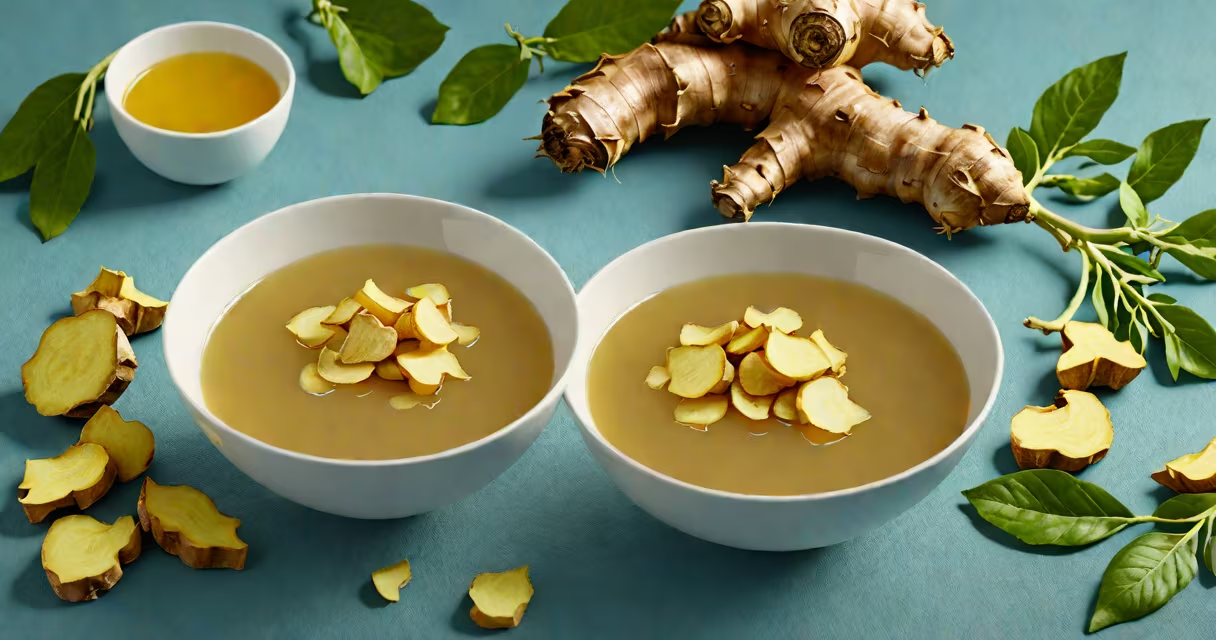
Ginger can ease nausea and vomiting caused by food poisoning but does not eliminate the bacteria or viruses responsible. It acts as a natural anti-emetic, reducing stomach spasms and speeding gastric emptying.
Food poisoning results from ingesting contaminated food or drink, often due to pathogens like Salmonella, Campylobacter, or norovirus. Symptoms typically appear within hours and include nausea, vomiting, diarrhea, and abdominal cramps. While most cases resolve in 24 to 48 hours, symptoms can disrupt daily life and lead to dehydration.
Ginger's effectiveness lies in its bioactive compounds-gingerols and shogaols-which interact with serotonin receptors in the gut and central nervous system. These compounds suppress signals that trigger nausea and vomiting. Clinical trials show ginger reduces motion sickness and chemotherapy-induced nausea by 30-50%. Evidence for food poisoning is indirect but consistent with its known effects on gastrointestinal distress.
Ginger reduces nausea by modulating the vagus nerve and blocking serotonin 5-HT3 receptors in the brainstem and small intestine. This pathway is a key trigger for vomiting reflexes. By dampening this response, ginger lowers the frequency and intensity of nausea episodes.
It also accelerates gastric emptying-the rate at which the stomach empties into the small intestine. Delayed gastric emptying worsens nausea, especially in inflamed or irritated guts. A 2012 study published in European Journal of Gastroenterology & Hepatology found that 1.5 grams of ginger extract reduced gastric motility delay by 40% compared to placebo in healthy volunteers.
For example, someone experiencing mild food poisoning after eating undercooked chicken might drink ginger tea (1-2 teaspoons of fresh grated ginger steeped in hot water). Within 30 minutes, they report less queasiness and fewer urges to vomit. The effect is not immediate but builds over 60-90 minutes.
Not all ginger preparations deliver equal benefits. Fresh, dried, powdered, and extract forms differ in potency and absorption.
| Type | Effective Dose (per day) | Best For | Notes |
|---|---|---|---|
| Fresh ginger | 1-2 grams | Nausea relief, mild inflammation | Most accessible; can be grated into tea or juice. |
| Dried ginger powder | 0.5-1 gram | Concentrated relief, travel use | Less potent than fresh; requires higher doses. |
| Ginger extract (standardized) | 250-500 mg | Consistent dosing, clinical use | Contains 5-6% gingerol; available in capsules. |
| Ginger tea | 1-2 cups | Mild symptoms, hydration support | Combines fluid replacement with anti-nausea effects. |
One study in Phytomedicine (2019) found that participants taking 1 gram of standardized ginger extract twice daily reported lower nausea scores than those on placebo. The extract was more effective than fresh ginger in reducing symptom severity, likely due to consistent compound concentration.
Ginger does not kill bacteria or viruses causing food poisoning. It treats symptoms, not the cause. Using it as a sole remedy risks delaying proper care.
If vomiting persists beyond 12 hours, blood appears in vomit or stool, fever exceeds 101.3°F (38.5°C), or signs of dehydration (dry mouth, dizziness, low urine output) emerge, medical evaluation is necessary. Dehydration from prolonged vomiting can require IV fluids.
I once observed a traveler in Southeast Asia who relied solely on ginger tea after eating street food. After 18 hours of continuous vomiting, they were admitted to a clinic with severe dehydration. They had no access to oral rehydration solutions and delayed seeking care. Ginger helped with nausea initially but did not prevent complications.
Many assume ginger cures food poisoning. It does not. It's a symptomatic aid, not a pathogen killer. The misconception arises because ginger improves comfort quickly, leading users to believe it "fixed" the illness.
Another error is using high-dose ginger supplements without consulting a doctor. Ginger can interfere with blood thinners like warfarin and increase bleeding risk. The FDA warns against exceeding 4 grams of ginger per day in supplement form due to potential liver strain in sensitive individuals.
Some brands market "ginger shots" with added sugar and artificial flavors. These dilute the active compounds. A 2021 analysis in Journal of Functional Foods showed that 70% of commercial ginger shots contained less than 10% actual ginger extract. Always check ingredient labels.
Use ginger for mild to moderate nausea lasting less than 12 hours. Start with 1 teaspoon of freshly grated ginger in warm water. Rehydrate with clear fluids-broth, weak tea, or oral rehydration solution.
Stop use if symptoms worsen or new ones appear. Avoid ginger if you have gallstones, peptic ulcers, or are on anticoagulants. Pregnant women should limit intake to 1 gram per day unless advised by a provider.
For persistent or severe cases, see a healthcare provider. Identifying whether your symptoms stem from a bacterial infection or viral gastroenteritis helps determine appropriate treatment. If nausea lasts longer than 24 hours, consider testing for pathogens.
While ginger cannot stop food poisoning at its source, it remains one of the most evidence-backed natural options for managing nausea. Combine it with hydration and rest. When symptoms escalate, seek care promptly rather than relying on home remedies alone.