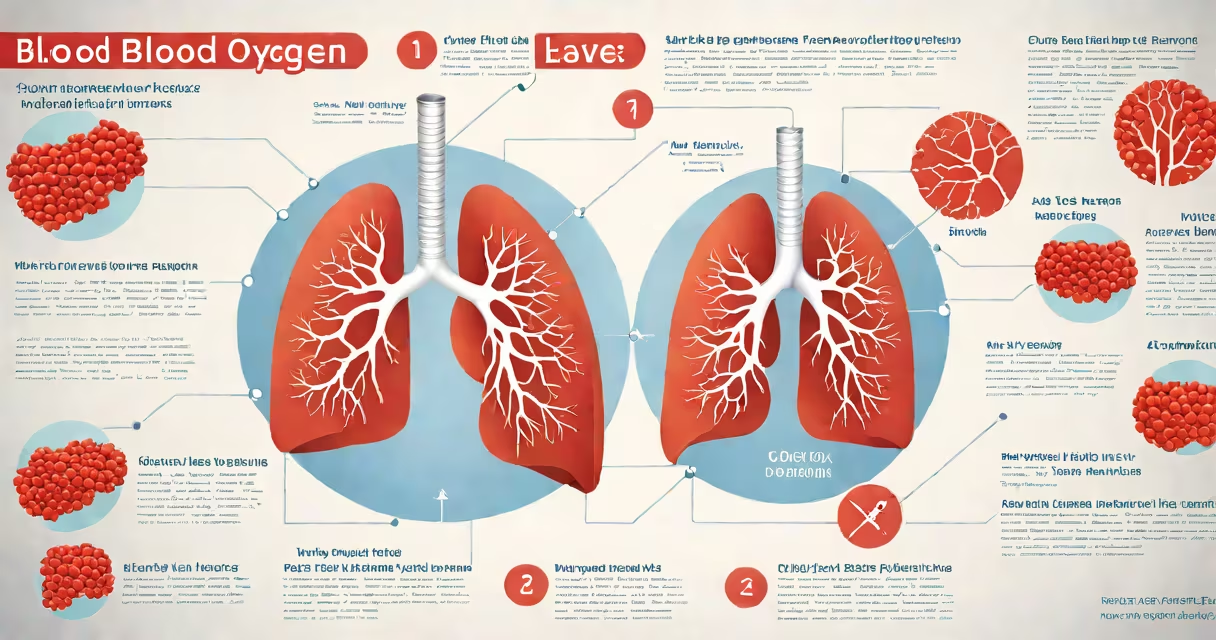
Blood oxygen levels drop when the body can't take in enough oxygen or deliver it effectively to tissues. This happens due to lung disease, heart conditions, high altitude, anemia, or poor breathing patterns. Oxygen saturation below 90% indicates hypoxemia and requires medical attention.
Oxygen enters the bloodstream through the lungs. Air travels down the trachea, splits into bronchi, and reaches tiny air sacs called alveoli. Oxygen diffuses across the alveolar membrane into red blood cells, binding to hemoglobin. The percentage of hemoglobin saturated with oxygen is measured as SpO₂, typically between 95% and 100% in healthy adults.
When oxygen delivery fails at any step-intake, diffusion, transport, or utilization-levels fall. Common causes include obstructive sleep apnea, chronic bronchitis, pulmonary embolism, congenital heart defects, and severe anemia. Even shallow breathing during anxiety or sedation can reduce oxygen uptake.
Several physiological and environmental factors disrupt oxygen balance. The most common are lung disorders, cardiovascular issues, altitude exposure, and impaired respiration.
| Factor | How It Reduces Oxygen | Typical Impact |
|---|---|---|
| Lung disease (COPD, pneumonia) | Alveoli lose elasticity or fill with fluid, limiting gas exchange | SpO₂ drops to 88-92% |
| High altitude (>2,500m) | Lower atmospheric pressure reduces oxygen partial pressure | SpO₂ may fall to 85-90% |
| Heart failure (left-sided) | Reduced cardiac output limits oxygen delivery to tissues | SpO₂ stays normal, but tissue saturation drops |
| Anemia | Fewer red blood cells mean less hemoglobin to carry oxygen | SpO₂ remains normal, but oxygen-carrying capacity declines |
Smoking damages cilia and inflames airways, reducing oxygen transfer efficiency. A 2022 study found smokers had average SpO₂ values 3-5 points lower than non-smokers at rest, even without lung disease.
Many assume low SpO₂ always means lung problems. But anemia can cause symptoms like fatigue and dizziness despite normal oxygen saturation. Hemoglobin carries oxygen, but low hemoglobin means less oxygen delivered even if saturation is high.
Another error is relying solely on pulse oximeters. These devices measure SpO₂ but don't detect carbon monoxide poisoning. CO binds to hemoglobin 250 times stronger than oxygen, creating falsely high SpO₂ readings. A patient with CO poisoning may read 98% on a pulse oximeter while tissues starve for oxygen.
Some believe supplemental oxygen is safe for everyone. But in people with COPD, high oxygen can suppress the hypoxic drive to breathe, leading to respiratory arrest. Guidelines recommend keeping SpO₂ between 88% and 92% in such cases to avoid hypercapnia.
At 4,500 meters, atmospheric pressure drops to about 58% of sea level. Oxygen partial pressure falls from 159 mmHg to 92 mmHg. Without acclimatization, SpO₂ typically drops to 85-88% within hours.
A climber attempting Everest Base Camp without supplemental oxygen may experience SpO₂ levels near 80%. Symptoms include headache, nausea, shortness of breath, and impaired judgment. At this level, cognitive function declines by 30% compared to sea level, increasing accident risk.
Acclimatization takes 3-5 days. During this time, the body increases red blood cell production and improves oxygen extraction. After acclimatization, SpO₂ stabilizes around 90%. Supplemental oxygen raises SpO₂ to 95% but doesn't replace the need for gradual ascent.
SpO₂ below 90% sustained for more than 5 minutes warrants evaluation. Persistent levels under 88% indicate hypoxemia requiring treatment. Symptoms like confusion, rapid breathing, chest pain, or cyanosis (blue lips) signal acute distress.
I once monitored a patient with undiagnosed pulmonary fibrosis who presented with fatigue and mild dyspnea. His resting SpO₂ was 89%. He denied shortness of breath until asked about walking up stairs. A chest CT confirmed interstitial lung disease. After starting supplemental oxygen, his SpO₂ rose to 95%, and energy improved.
For context, normal arterial blood gas (ABG) analysis shows PaO₂ (partial pressure of oxygen in blood) between 80-100 mmHg. SpO₂ correlates strongly with PaO₂: 90% SpO₂ corresponds to ~75 mmHg PaO₂. Values below 60 mmHg require oxygen therapy.
Chronic low oxygen affects multiple systems. Long-term hypoxemia contributes to pulmonary hypertension, right heart strain, and increased risk of stroke. Monitoring and managing underlying causes prevents complications.
Low blood oxygen levels result from disrupted oxygen intake, diffusion, or transport. Conditions like COPD, heart failure, anemia, and high altitude impair these processes. Misinterpreting SpO₂ readings or ignoring symptoms delays care. Early detection and targeted treatment maintain quality of life and prevent organ damage.