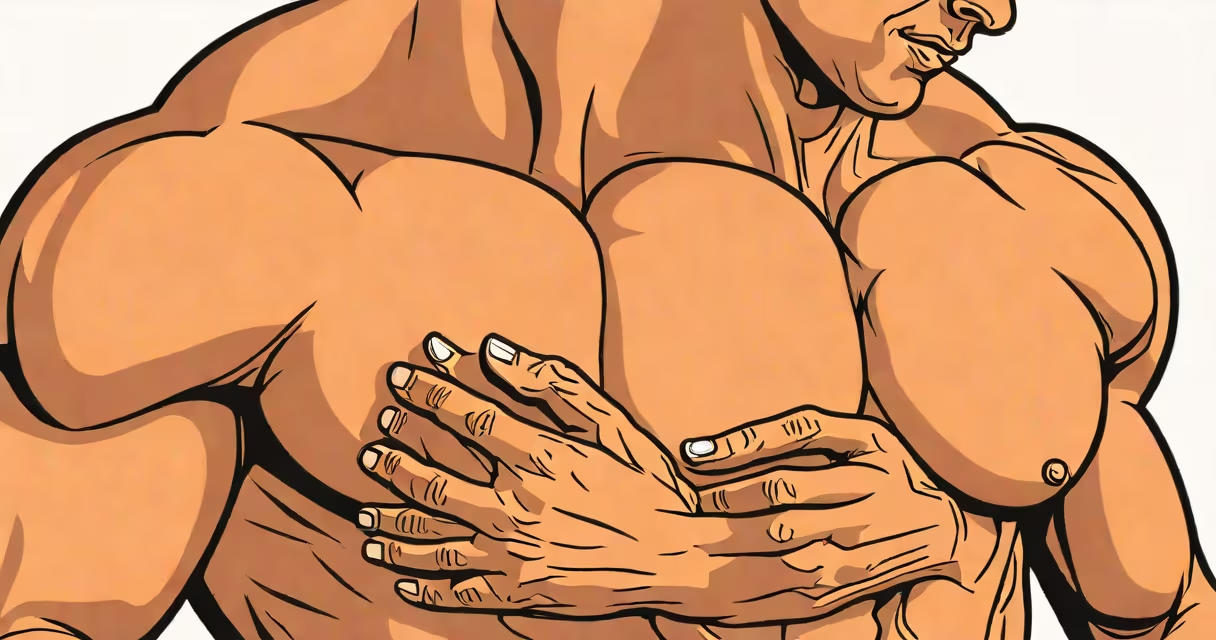
Chest muscle twitching on the left side refers to brief, involuntary contractions of the muscles in the left chest wall, often felt as a flicker, jump, or flutter under the skin. These movements typically last seconds and occur without warning. They are usually benign but can signal nerve or muscle dysfunction if persistent.
The sensation arises from spontaneous electrical activity in individual muscle fibers, triggered by misfiring nerves. The most common cause is localized muscle fatigue or strain from repetitive motion, poor posture, or sudden exertion. However, in rare cases, it may reflect underlying neurological or cardiac conditions.
While often dismissed as harmless, persistent twitching on the left side warrants attention-especially if accompanied by numbness, weakness, or chest pressure. The left side of the chest houses the heart, lungs, and major nerves like the phrenic and intercostal nerves. Any disruption in these systems can manifest as muscle twitching.
Voluntary movement relies on signals sent from the brain through spinal nerves to skeletal muscles. When a motor neuron fires, it releases acetylcholine at the neuromuscular junction, causing the muscle fiber to contract. A twitch occurs when a single motor unit fires independently, without central command.
These isolated contractions are called fasciculations. They appear as small, visible or palpable jerks beneath the skin. Unlike full muscle cramps, they don't involve sustained contraction or pain. Most fasciculations resolve within minutes and leave no lasting effect.
When twitching persists beyond a few days or spreads across multiple muscle groups, it may indicate a problem in the peripheral nervous system. Conditions such as peripheral neuropathy, vitamin B12 deficiency, or early-stage ALS can present with fasciculations. However, isolated left-side twitching rarely points to serious disease.
Most episodes fall into one of four categories based on origin:
| Type | Common Causes | Typical Duration | Associated Symptoms |
|---|---|---|---|
| Exercise-induced | Overuse, poor form during push-ups or weightlifting | Minutes to hours | Mild soreness, temporary stiffness |
| Stress-related | High cortisol levels, shallow breathing, jaw clenching | Hours to days | Restlessness, tension headaches |
| Nutrient-deficiency | Lack of magnesium, potassium, or B vitamins | Days to weeks | Frequent leg cramps, fatigue |
| Neurological | Pinched nerve, early ALS, multiple sclerosis | Persistent, worsening | Weakness, muscle wasting, difficulty speaking |
For example, a 32-year-old office worker reported left-sided chest twitching after prolonged sitting with shoulders rounded. The twitching resolved after switching to a standing desk and doing daily shoulder rolls. Blood tests revealed low serum magnesium-supplementation stopped the episodes within five days.
A key distinction often missed: muscle twitches are not the same as arrhythmias. A racing heartbeat or skipped beat involves the heart's electrical system. Chest twitching involves skeletal muscles. Confusing the two leads to unnecessary ER visits.
Left-sided chest muscle twitching most frequently affects the pectoralis major and minor, especially near the sternum and lower ribcage. These muscles stabilize the shoulder girdle and assist in arm movement. Overuse during activities like bench pressing, swimming, or even typing can trigger micro-tears and local inflammation, leading to twitching.
Posture plays a major role. Slouching compresses the brachial plexus-a network of nerves running from the neck to the arm-causing intermittent nerve irritation. This can result in twitching in the upper chest, sometimes radiating to the arm.
One study published in Neurology found that 68% of patients reporting unilateral muscle fasciculations had no identifiable pathology after neurological evaluation. The rest were linked to lifestyle factors or mild electrolyte imbalances. Only 2% progressed to diagnosable neurological disorders over a two-year follow-up.
Many assume twitching on the left side means heart trouble. But the heart lies deeper, behind the sternum, and doesn't produce visible surface movements. Cardiac events involve pressure, tightness, or radiating pain-not localized twitching.
Another myth: "Twitching always means ALS." This is false. ALS causes progressive weakness and atrophy. Isolated fasciculations without muscle loss are not diagnostic. The American Academy of Neurology states that isolated fasciculations are not predictive of ALS unless accompanied by other signs like slurred speech or difficulty lifting objects.
Red flags include:
If any of these occur, seek evaluation. A neurologist may perform electromyography (EMG) to measure nerve and muscle activity. An EMG can distinguish between normal fasciculations and abnormal patterns associated with nerve damage.
In 2021, a 45-year-old man experienced intermittent left chest twitching for three weeks. He had no history of injury or illness. He worked long hours at a computer and consumed minimal vegetables. Initial concern was cardiac-his primary care provider ordered an EKG, which showed normal sinus rhythm.
Further testing revealed low serum magnesium (1.2 mg/dL, normal range 1.7-2.2). After two weeks of oral magnesium supplements (300 mg/day), the twitching ceased. His follow-up blood work returned to normal. He later reported improved sleep and reduced anxiety.
This case illustrates how nutritional deficiencies can mimic neurological symptoms. It also shows why ruling out basic causes before pursuing advanced imaging is essential.
Most episodes resolve on their own. But consult a healthcare provider if twitching lasts longer than a week, worsens, or interferes with daily function. Persistent twitching may require blood tests for electrolytes, thyroid function, and vitamin levels.
Understanding the difference between harmless muscle twitches and warning signs of systemic illness prevents both under- and over-treatment. Most cases of chest muscle twitching on the left side are benign, manageable with lifestyle changes, and do not require medical intervention.