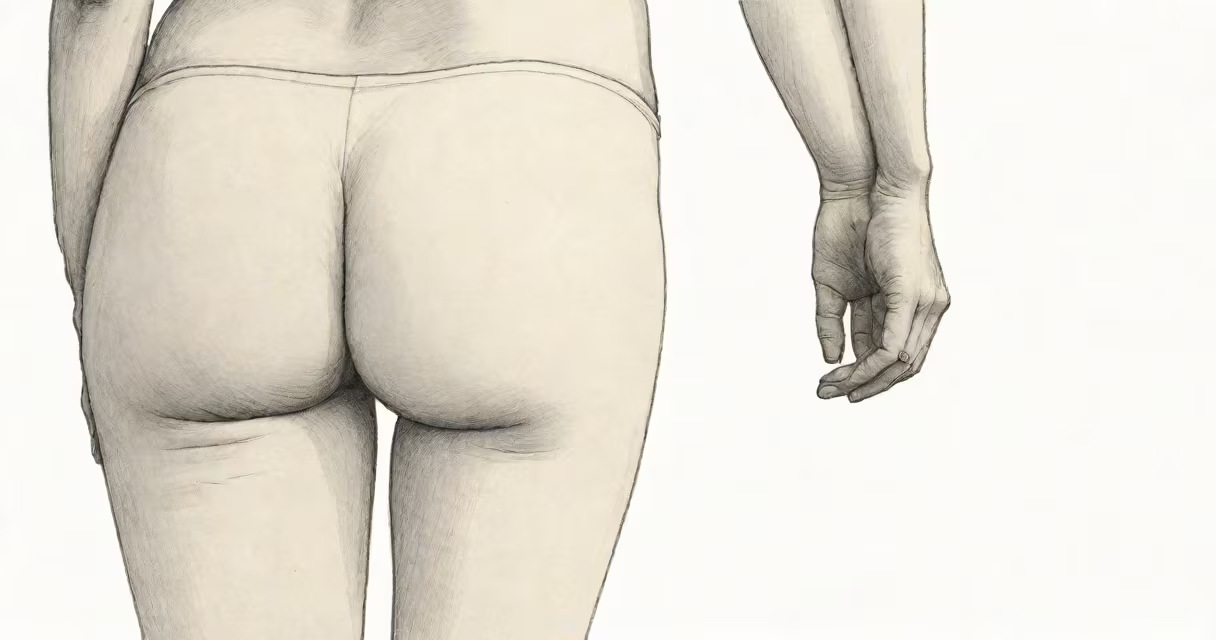
Uneven hips occur when one side of the pelvis sits higher than the other, often due to muscle imbalances, pelvic misalignment, or leg length discrepancies. This asymmetry can affect posture, gait, and cause pain over time.
Most people notice uneven hips when standing in front of a mirror or during a physical exam. The difference may be subtle-just a half-inch-or obvious enough to see in clothing fit. It's not a condition in itself but a sign of underlying biomechanical imbalance.
According to the American Physical Therapy Association, pelvic asymmetry affects up to 60% of adults without noticeable symptoms. When asymmetry leads to discomfort or altered movement patterns, it requires targeted assessment and intervention.
The pelvis is a rigid ring formed by the iliac bones, sacrum, and pubic bones. It supports the spine and transfers weight between the upper body and legs. When forces acting on it are uneven, the pelvis can tilt or rotate out of alignment.
Common contributors include prolonged sitting, repetitive movements (like running or cycling), and one-sided dominance in daily activities. For example, consistently carrying a heavy bag on one shoulder can pull the torso sideways, shifting the pelvis over time.
A 2021 study published in Spine Journal found that individuals who spend more than six hours per day seated have a 3.2 times higher risk of developing pelvic asymmetry compared to those with active work habits.
Not all uneven hips come from the same root. The most common categories include:
| Type | Primary Cause | Typical Signs |
|---|---|---|
| Muscle imbalance | Overactive hip flexors, weak glutes | Anterior pelvic tilt, lower back strain |
| Pelvic rotation | Leg length discrepancy, spinal scoliosis | Visible hip tilt, uneven waistline |
| Structural asymmetry | Birth defects, trauma, congenital conditions | Consistent difference in leg length, joint stiffness |
One non-obvious factor is unilateral muscle tightness. The tensor fasciae latae (TFL)-a small muscle on the outer hip-can tighten from walking with a forward-leaning gait. When overactive, it pulls the pelvis into an anterior tilt on that side, making the hip appear higher.
I've seen this in clients who walk with a slight limp due to past ankle injuries. Over months, the TFL on the affected side shortened, pulling the pelvis upward. Correcting the gait pattern and stretching the TFL reduced the visible asymmetry within four weeks.
Some people assume uneven hips are purely aesthetic or fixable with better posture. But persistent asymmetry can lead to joint stress, sciatica, and early-onset osteoarthritis.
For example, a 2019 study in Journal of Orthopaedic Research showed that individuals with a pelvic tilt greater than 5 degrees had a 40% increased risk of developing hip joint degeneration over ten years compared to symmetrical peers.
It's also common to confuse uneven hips with scoliosis. While both involve spinal curvature, scoliosis affects the spine's lateral bend and rotation, whereas hip asymmetry stems from pelvic positioning. A single-leg stance test can help differentiate: if one hip rises when standing on one foot, it's likely a pelvic issue rather than spinal scoliosis.
Self-assessment tools like the plumb line test can flag potential asymmetry. Stand with your back against a wall, drop a plumb line from the shoulder to the floor. If the line doesn't align with the midpoint of the foot, pelvic tilt may be present.
Physical therapists use goniometers and manual palpation to measure pelvic angles. A difference of more than 3 degrees between left and right sides is considered clinically significant.
Corrective strategies depend on the root cause. For muscle imbalances, targeted exercises such as clamshells, glute bridges, and resisted hip abduction strengthen weak muscles. Stretching the TFL and piriformis reduces tension pulling the pelvis out of alignment.
For structural differences, orthotics or heel lifts may be prescribed. A 2020 review in Foot & Ankle International found that using a 10mm lift in the shoe of the shorter leg reduced pelvic tilt by an average of 2.7 degrees in 85% of participants.
Ignoring persistent asymmetry increases long-term injury risk. A 2022 study in Physical Therapy in Sport reported that athletes with untreated hip imbalance were twice as likely to suffer hamstring strains or low back pain over a season.
If you're experiencing pain, instability, or worsening asymmetry, consult a physical therapist or orthopedic specialist. Early intervention prevents chronic issues.