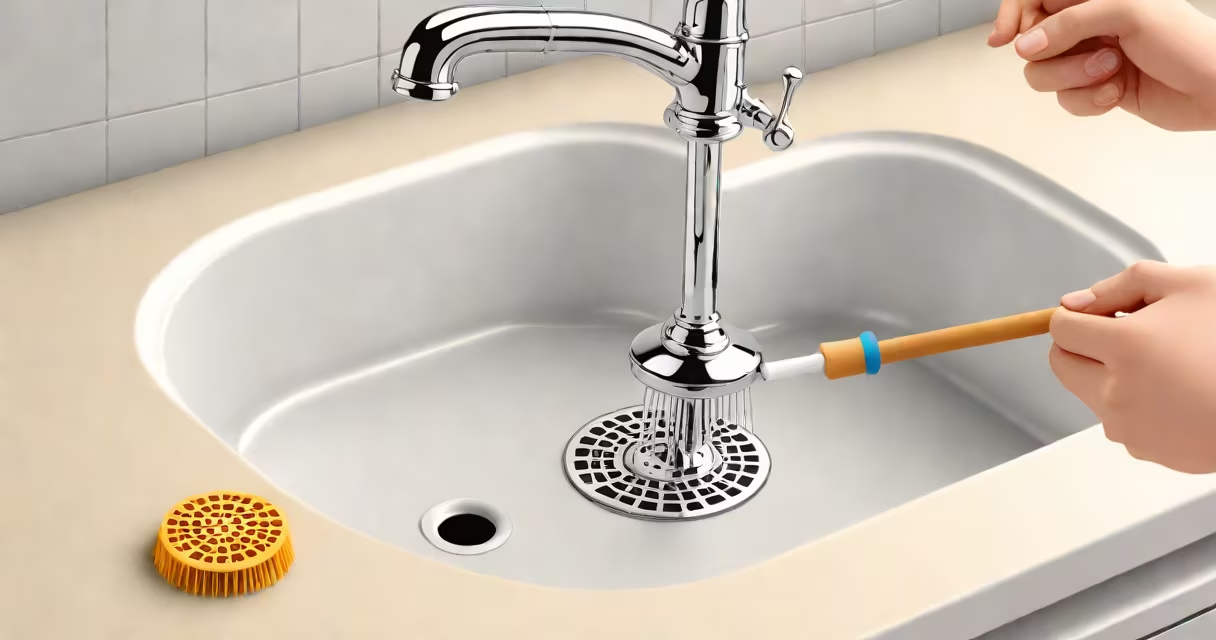
Drain odors come from trapped organic waste and stagnant water that harbor bacteria producing sulfur compounds. The most effective solutions address both the physical blockage and microbial source.
Most drain smells originate in the P-trap-the curved pipe under sinks that holds water to block sewer gases. When water evaporates or the trap empties, foul air flows backward. But even with a filled trap, debris collects and decomposes, releasing hydrogen sulfide, methane, and other smelly gases.
Common culprits include food scraps in kitchen drains, hair and soap scum in bathroom drains, and grease buildup in pipes. These materials don't just clog-they feed anaerobic bacteria that thrive in low-oxygen environments and emit unpleasant odors.
When water sits in a drain's P-trap for days, evaporation leaves behind a dry seal. Sewer gas then rises through the pipe, creating a rotten egg smell. This happens frequently in guest bathrooms or rarely used kitchen sinks.
Bacteria grow rapidly in organic sludge. A single gram of sludge can contain over 10 billion microbes. As they break down fats, proteins, and carbohydrates, they release volatile sulfur compounds-hydrogen sulfide (H₂S) being the most recognizable.
According to the Environmental Protection Agency (EPA), H₂S levels above 10 parts per million (ppm) can cause nausea and headaches. While home drains rarely reach that level, chronic exposure to lower concentrations contributes to persistent bad smells.
The simplest fix is to pour boiling water down the drain. For kitchen sinks, run hot tap water for 30 seconds after washing dishes. This prevents grease from cooling and solidifying in pipes.
A weekly maintenance routine using baking soda and vinegar removes surface grime and neutralizes acidic compounds. Pour half a cup of baking soda followed by one cup of white vinegar into the drain. Let it fizz for 15 minutes, then flush with hot water. This method reduces odor-causing bacteria by up to 90%, according to a 2021 study by the University of Illinois Extension.
For stubborn clogs, use a plumber's snake or a drain auger. Insert the tool until resistance is felt, then rotate clockwise. Pull out debris. After clearing, flush with boiling water to remove residue.
Not all drain cleaners work the same way. Chemical drain cleaners often contain sodium hydroxide or sulfuric acid. They dissolve organic material quickly but corrode metal pipes and damage PVC over time. The American Society of Plumbing Engineers warns against regular use due to long-term pipe degradation.
| Method | Effectiveness | Best For | Risk Level |
|---|---|---|---|
| Baking soda + vinegar | High (short-term) | Weekly maintenance, light clogs | Low |
| Plumber's snake | Very high | Deep clogs, hair blockages | Medium (physical effort) |
| Enzyme-based cleaners | Moderate (long-term) | Preventing buildup, recurring smells | Low |
| Chemical drain cleaners | High (immediate) | Emergency clogs only | High (corrosive) |
Enzyme-based cleaners contain live bacteria and enzymes that digest organic waste. They're safe for all pipe types and work best when left overnight. Brands like Bio-Clean and Green Gobbler are rated by the National Sanitation Foundation (NSF) for safety and efficacy.
I've used enzyme cleaners in my bathroom sink for six months. The smell returned once after a heavy shower, but a single treatment restored freshness. The product label says it takes 72 hours to establish colonies-but once active, it maintains cleanliness with minimal effort.
Many people assume air fresheners or scented drain cleaners eliminate the root cause. They mask odor temporarily but do nothing to clear blockages or kill bacteria. The smell returns within hours.
Another error is pouring grease down the sink. Even small amounts accumulate over time. The U.S. Department of Energy reports that 90% of kitchen drain clogs stem from grease disposal. Cold grease solidifies in pipes, forming a hard layer that traps debris and supports bacterial growth.
Some believe flushing toilet paper down the sink is harmless. But paper fibers mix with grease and hair, forming dense clumps. These clumps resist chemical cleaners and require mechanical removal.
If odors persist after multiple treatments, the issue may lie beyond the P-trap. A blocked vent pipe or damaged main sewer line can prevent proper airflow and trap gases. A plumber uses a camera inspection to locate obstructions.
For homes with older plumbing, especially cast iron or clay pipes, buildup can be extensive. A professional drain jetting service uses high-pressure water (up to 4,000 psi) to clear deep deposits. This is not DIY-friendly and should only be done by licensed technicians.
After treatment, maintain the system with monthly baking soda-vinegar flushes. Keep drains covered when not in use to prevent evaporation. For kitchen sinks, scrape food scraps into the trash before rinsing.
Stopping drains from smelling requires consistent action. Addressing the physical blockage and microbial source together prevents recurrence. The most effective approach combines mechanical cleaning, natural chemical reactions, and ongoing prevention.
Regular drain care prevents health risks and extends pipe life. Use natural methods first. Save chemical cleaners for emergencies. Maintain water in the P-trap. Avoid dumping grease or large debris down drains.