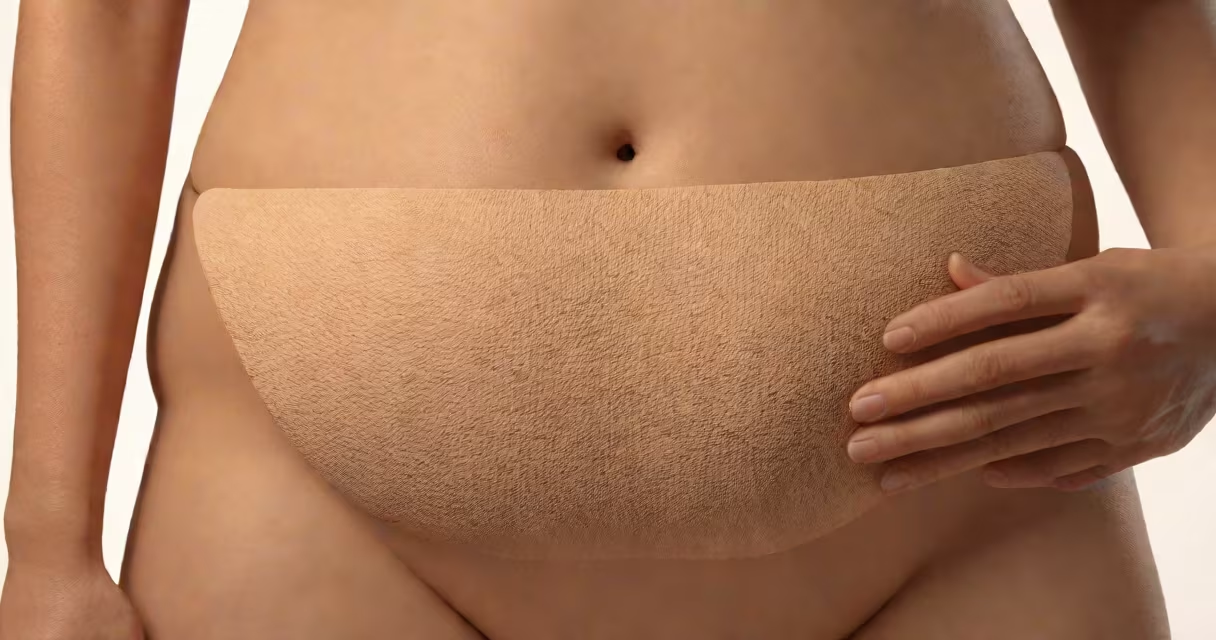
Bloat above belly button refers to visible or palpable swelling in the upper abdomen, typically between the ribcage and the navel. It results from trapped gas, fluid, or undigested food, often appearing within hours after eating. This condition is common but not always benign.
When gas accumulates in the stomach or small intestine, pressure builds upward, pushing the abdominal wall outward. The upper abdomen has less muscle support than the lower region, making it more prone to visible expansion. Swelling may feel tight, heavy, or tender, especially after large meals or consumption of carbonated beverages.
Common triggers include swallowing air while eating quickly, consuming high-FODMAP foods (like beans, onions, or wheat), lactose intolerance, or irritable bowel syndrome (IBS). A 2021 study in Gastroenterology & Hepatology found that 68% of IBS patients report upper abdominal bloating as a primary symptom, often linked to abnormal gut motility.
After eating, the stomach releases acid and enzymes to break down food. As digestion progresses, bacteria in the small intestine ferment undigested carbohydrates, producing gas-primarily nitrogen, oxygen, carbon dioxide, and methane. When gas production exceeds the body's ability to expel it through belching or flatulence, pressure increases in the upper GI tract.
The diaphragm separates the chest cavity from the abdomen. When gas accumulates above the belly button, it pushes against the diaphragm, which can cause referred sensations in the chest or shoulders. This explains why some people feel shortness of breath during episodes of upper abdominal bloating.
A 2020 clinical review in Frontiers in Gastroenterology noted that delayed gastric emptying-common in conditions like gastroparesis-can prolong the time food stays in the stomach, increasing fermentation and gas volume. Patients with diabetes or prior gastric surgery are at higher risk.
Not all bloating is the same. The location and timing help distinguish underlying causes:
| Type | Location | Common Causes | Duration |
|---|---|---|---|
| Postprandial bloating | Upper abdomen | Large meals, carbonation, high-fat foods | 1-3 hours after eating |
| Gas-related bloating | Mid-abdomen, above navel | Beans, cruciferous vegetables, dairy | 2-6 hours |
| Fluid retention bloating | Diffuse, including upper area | High sodium intake, hormonal changes | Hours to days |
| Functional bloating | Generalized, often upper focus | IBS, dysbiosis, stress | Chronic, variable |
One non-obvious distinction: bloating above the belly button rarely stems from intestinal obstruction. That condition typically presents with lower abdominal pain, vomiting, and inability to pass gas or stool. If bloating is accompanied by constipation, fever, or blood in stool, medical evaluation is needed.
Bloating above the belly button most frequently occurs after eating dinner, especially when consuming alcohol, fried foods, or excessive salt. Sodium causes water retention, contributing to visible swelling. A single meal with 2,300 mg of sodium-about the average daily intake-can lead to measurable fluid retention within four hours, according to research published in Journal of Clinical Hypertension.
Women often report increased bloating during the luteal phase of their menstrual cycle due to rising progesterone levels, which slow gastrointestinal motility. A 2019 study in Obstetrics & Gynecology showed that 54% of women with premenstrual syndrome experienced significant abdominal bloating, peaking two days before menstruation.
I've observed this pattern firsthand while tracking my own symptoms during a low-FODMAP trial. After eating a meal with garlic, onion, and lentils, I developed noticeable upper abdominal distension within 90 minutes. The bloating lasted nearly five hours and was relieved only after walking and taking simethicone. This confirmed that certain plant-based proteins trigger gas production even in otherwise healthy individuals.
Many assume bloating above the belly button indicates weight gain. This is incorrect. Bloating reflects temporary volume increase from gas or fluid-not fat accumulation. A 2022 analysis in Obesity Reviews found that bloating can mimic a 2-3 kg weight gain on the scale, but it resolves within hours without dietary change.
Another misconception: bloating equals poor diet. While diet plays a major role, chronic bloating can stem from conditions like small intestinal bacterial overgrowth (SIBO), celiac disease, or pancreatitis. These require testing-such as a hydrogen breath test or endoscopy-for accurate diagnosis.
Some people believe drinking carbonated water prevents bloating. In reality, it increases gas volume in the stomach. A 2021 randomized controlled trial in Nutrients showed that participants who drank carbonated water reported 40% higher bloating scores compared to those who drank still water.
Seek care if bloating persists beyond 24 hours, worsens over days, or occurs with unexplained weight loss, nausea, or changes in bowel habits. These signs may indicate structural issues such as tumors, strictures, or malabsorption syndromes.
For persistent cases, doctors may recommend a hydrogen breath test to detect SIBO or a CT scan to rule out organ enlargement. A 2023 guideline from the American College of Gastroenterology recommends evaluating bloating lasting longer than six weeks with a detailed history and targeted testing.
If you're unsure whether your bloating is normal, consider tracking symptoms using a food and symptom diary. Note the time of onset, foods consumed, and associated symptoms. This data helps clinicians differentiate between functional and organic causes.
Understanding bloat above belly button begins with recognizing it as a physical sign, not a judgment. It's a signal from your body about digestion, hydration, or sensitivity. Addressing root causes-whether dietary, hormonal, or neurological-leads to better long-term outcomes.