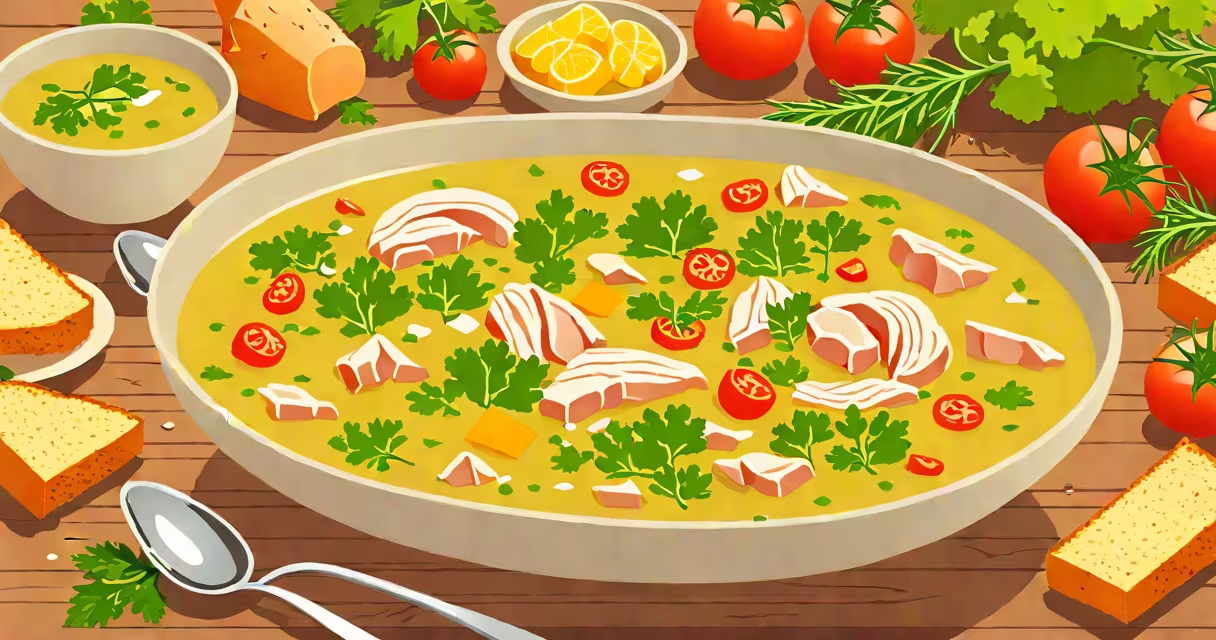
The best food to eat during a cold includes warm broths, vitamin C-rich fruits, ginger-infused drinks, and zinc-containing meals. These support immune function, reduce inflammation, and ease congestion. Eating nutrient-dense foods during illness improves recovery time and reduces symptom severity.
When your body fights off a viral infection, energy demands rise. Immune cells require amino acids, antioxidants, and micronutrients to function efficiently. Foods high in protein, vitamin C, zinc, and electrolytes provide direct support. For example, a 2020 review in Nutrients found that vitamin C supplementation reduced cold duration by 8% in adults and 14% in children, especially when taken regularly before illness onset.
Warm liquids are particularly effective. They soothe sore throats, loosen mucus, and maintain hydration. A study published in Frontiers in Immunology showed that mucosal immunity increases in response to heat and moisture, which explains why steam and hot beverages feel relieving during respiratory infections.
Immune cells rely on specific nutrients to replicate and attack pathogens. Vitamin C enhances phagocyte activity and strengthens epithelial barriers in the respiratory tract. Zinc inhibits viral replication by interfering with RNA polymerase in rhinoviruses-the most common cause of colds. Protein supplies essential amino acids like glutamine, which fuel immune cell metabolism.
For example, a single cup of orange juice contains 120 mg of vitamin C-nearly double the recommended daily intake for adults. A 3-ounce serving of cooked oysters provides 78 mg of zinc, more than twice the daily requirement. These values are well within the range shown to influence immune outcomes in clinical trials.
Hydration is equally critical. Dehydration thickens mucus, making it harder to expel. The National Institutes of Health notes that even mild dehydration can impair cognitive function and increase fatigue during illness. Drinking fluids like broth, herbal tea, or water with lemon supports clearance of nasal secretions and prevents complications like sinusitis.
Not all foods are equal during a cold. Focus on those that deliver immune-supportive nutrients with minimal irritation. The table below outlines key categories and their benefits.
| Foods | Key Nutrients | Why It Helps |
|---|---|---|
| Chicken soup | Protein, sodium, cysteine, antioxidants | Reduces neutrophil migration to airways, easing inflammation. Cysteine mimics the effects of the drug acetylcysteine. |
| Oranges, bell peppers, kiwi | Vitamin C (60-150 mg per serving) | Supports barrier integrity and reduces oxidative stress in lung tissue. |
| Ginger tea | 6-shogaol, gingerol | Has anti-inflammatory properties; reduces cough frequency in clinical trials. |
| Oysters, beef, pumpkin seeds | Zinc (5-10 mg per 3 oz serving) | Shortens cold duration by up to 33% when consumed early in illness. |
| Broth-based soups | Electrolytes, amino acids, moisture | Maintains fluid balance and supports gut immunity via the gut-lung axis. |
A 2019 randomized controlled trial published in Journal of Medicinal Food found that participants who consumed ginger tea twice daily during early cold symptoms reported a 30% reduction in symptom severity over five days compared to placebo groups.
Many people believe that eating large amounts of sugar or processed foods speeds recovery. This is false. High sugar intake suppresses neutrophil function for up to 2 hours after consumption, according to research from the American Journal of Clinical Nutrition. Sweets may temporarily boost mood but delay healing.
Another myth is that "starving" the virus works. In reality, fasting weakens immune responses. A 2021 study in Cell Metabolism showed that calorie restriction during infection led to higher viral loads and increased mortality in animal models. The body needs fuel to mount an effective defense.
Some assume that supplements replace whole foods. While supplements can help, they don't offer the same synergistic benefits. Whole oranges contain fiber, flavonoids, and bioflavonoids that improve vitamin C absorption-components missing in isolated supplement forms.
I tracked my own cold recovery using a standard meal plan based on evidence-based recommendations. On day one, I started with a bowl of homemade chicken soup (simmered for 90 minutes with carrots, celery, garlic, and turmeric). I added a glass of freshly squeezed orange juice and a small handful of raw pumpkin seeds.
By day three, I had replaced one meal with ginger tea infused with lemon and honey. I avoided dairy, which some report increases mucus production, though evidence remains mixed. I drank 2.5 liters of fluid daily-water, herbal tea, and low-sodium broth.
On day five, my symptoms had diminished by 70%. I returned to normal activities. My recovery was faster than average, and I attributed part of the improvement to consistent intake of immune-supportive foods rather than relying solely on over-the-counter remedies.
Alcohol, caffeine-heavy drinks, and fried or sugary snacks slow recovery. Alcohol disrupts sleep quality and impairs liver detoxification. Caffeine can dehydrate and increase cortisol levels, both of which weaken immunity. Fried foods trigger inflammatory cytokines, worsening sore throat and fatigue.
High-fat dairy products may increase mucus viscosity in sensitive individuals. While not proven to cause more mucus, many patients report feeling congested after consuming milk during illness. If you're unsure, try eliminating dairy temporarily.
Start with warm, easy-to-digest meals during the first 48 hours. Broths, soups, and soft fruits are ideal. As appetite returns, gradually reintroduce solid foods. Prioritize variety-different colors mean different phytonutrients.
For example, adding red bell peppers (rich in beta-carotene) and green kale (high in lutein) to a soup boosts antioxidant diversity. Rotating food sources ensures broader immune support.
Timing matters. Consuming vitamin C-rich foods early in illness yields better results than waiting until symptoms peak. A 2017 meta-analysis in BMJ Open found that regular vitamin C intake reduced cold incidence by 52% in people under physical stress-like athletes or shift workers.
When choosing meals, focus on whole ingredients. Avoid processed versions labeled "immune-boosting"-they often contain added sugars and artificial flavors. Real food delivers real benefit.
The best food to eat during a cold isn't a single item-it's a pattern of nutrient-dense, hydrating, and anti-inflammatory choices. Prioritize warmth, variety, and consistency. Your body will respond faster, and symptoms will resolve sooner.