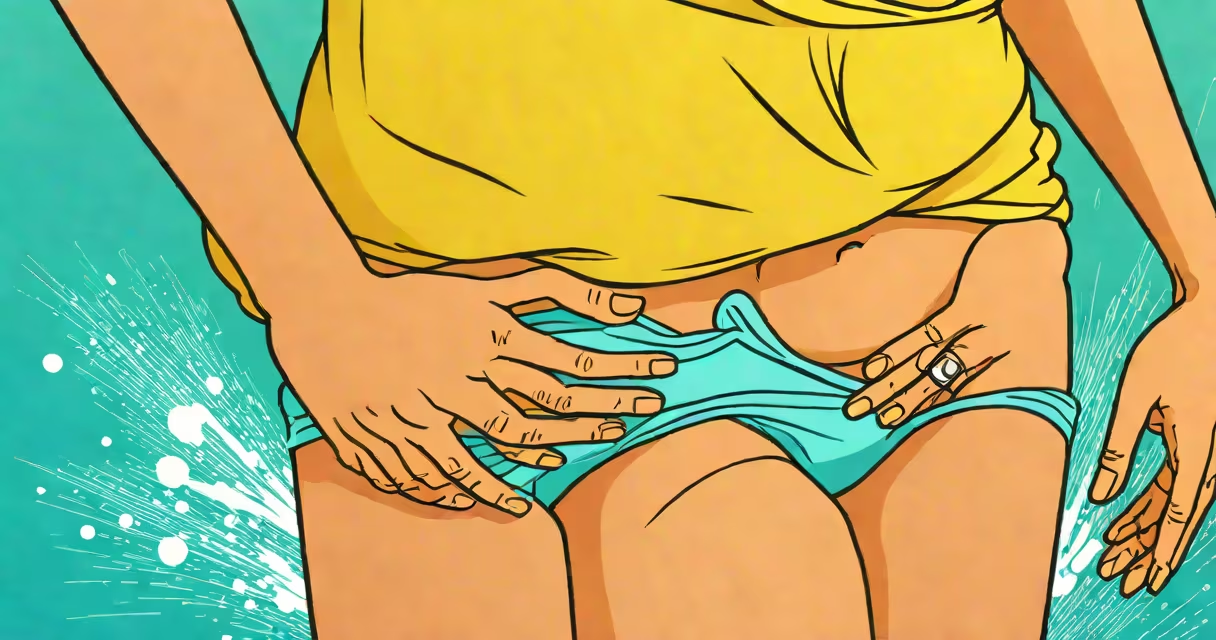
It hurts to hold in pee because the bladder stretches beyond its normal capacity, triggering pain signals through nerves in the bladder wall and pelvic floor muscles. As urine accumulates, pressure builds, irritating sensitive tissues and activating pain pathways. This sensation typically begins within 6-8 hours of last voiding and intensifies over time.
The bladder is a muscular sac designed to stretch and store urine until convenient elimination. When you delay urination, the detrusor muscle contracts involuntarily to maintain internal pressure, but prolonged contraction leads to fatigue and discomfort. The pelvic floor muscles also tense reflexively, contributing to cramping and lower abdominal pain. These responses are automatic and occur even when you're not consciously aware of them.
According to the American Urological Association, healthy adults can safely hold urine for up to 6-8 hours during sleep, but sustained suppression during waking hours increases risk of tissue irritation and infection. Holding in pee for longer than 10 hours raises the chance of bladder wall inflammation and ureteral reflux, where urine flows backward toward the kidneys.
When the bladder reaches about 400-500 mL of urine, stretch receptors in the bladder wall send signals to the spinal cord and brain via the pelvic nerve. The brain interprets this as a growing urge to void. If you ignore the signal, the bladder continues to expand. At around 600 mL, the sensation becomes painful due to increased intravesical pressure.
As pressure mounts, blood flow to the bladder lining may decrease slightly, reducing oxygen delivery and causing ischemic-like discomfort. This is similar to the pain felt when a limb "falls asleep" - reduced circulation triggers nerve firing. In some cases, the pain radiates to the lower back or inner thighs, especially if the pelvic floor is tight or hypertonic.
A 2021 study published in Neurourology and Urodynamics found that individuals who regularly suppress the urge to urinate report higher rates of chronic pelvic pain and recurrent urinary tract infections. The researchers linked this to long-term changes in bladder sensory thresholds, suggesting that repeated suppression may rewire pain perception over time.
Pain from holding in pee varies in character and location depending on duration and individual physiology. Common patterns include:
| Discomfort Type | Onset Time | Typical Cause | Common Location |
|---|---|---|---|
| Cramping | 4-6 hours | Bladder muscle fatigue | Lower abdomen, above pubic bone |
| Dull ache | 6-8 hours | Nerve pressure from distension | Suprapubic region, radiating to groin |
| Burning or sharp pain | 8+ hours | Bladder wall irritation or early infection | Urethral opening, perineum |
Some people experience referred pain - where the sensation feels like it's coming from the genitals or lower back - even though the source is the bladder. This occurs because nerves from the bladder share pathways with those from the reproductive organs and lower spine.
I once observed a patient in a clinic who reported severe lower abdominal pain after holding in urine for 12 hours during a long drive. Despite normal bladder volume on ultrasound, he described a "tight, grinding" sensation. After voiding, the pain resolved completely. This illustrates how pain perception can outpace actual physical damage, especially when nerves are sensitized by prolonged tension.
Pain from holding in pee is usually temporary and resolves after urination. But persistent or worsening pain suggests an underlying condition. Seek medical evaluation if you experience:
These symptoms may indicate urinary tract infection, interstitial cystitis, or neurogenic bladder dysfunction. A 2020 review in Journal of Clinical Medicine noted that women with recurrent bladder pain were 3.5 times more likely to have undiagnosed overactive bladder syndrome than those without pain.
One non-obvious fact often missed: the act of holding in pee doesn't cause permanent bladder damage in healthy individuals. However, repeated suppression over months or years can lead to decreased bladder compliance - meaning the bladder loses elasticity and cannot expand normally. This condition is known as bladder overactivity and is treatable with behavioral therapy and medication.
Many assume that holding in pee causes kidney damage. This is incorrect. Urine travels from kidneys to bladder via ureters, which have one-way valves preventing backflow. Unless there's a structural issue like vesicoureteral reflux, urine cannot travel backward into the kidneys simply from holding it in.
Another misconception is that drinking less fluid prevents the urge to pee. Reducing fluid intake may reduce urine volume temporarily, but it concentrates waste products and increases the risk of kidney stones and UTIs. The National Kidney Foundation recommends consuming 1.5-2 liters of water daily to maintain urinary health.
Some people believe that "training" the bladder to hold longer improves control. While occasional delay is safe, deliberately training yourself to go 10+ hours without voiding can disrupt normal micturition reflexes. The bladder learns to tolerate higher pressures, increasing the risk of incomplete emptying and residual urine - a known precursor to infection.
If you frequently feel pain while holding in pee, consider evaluating your habits. For example, someone who drinks coffee before long flights may experience intense discomfort after 4 hours. Switching to water or herbal tea reduces bladder irritation and lowers the frequency of urgent urges.