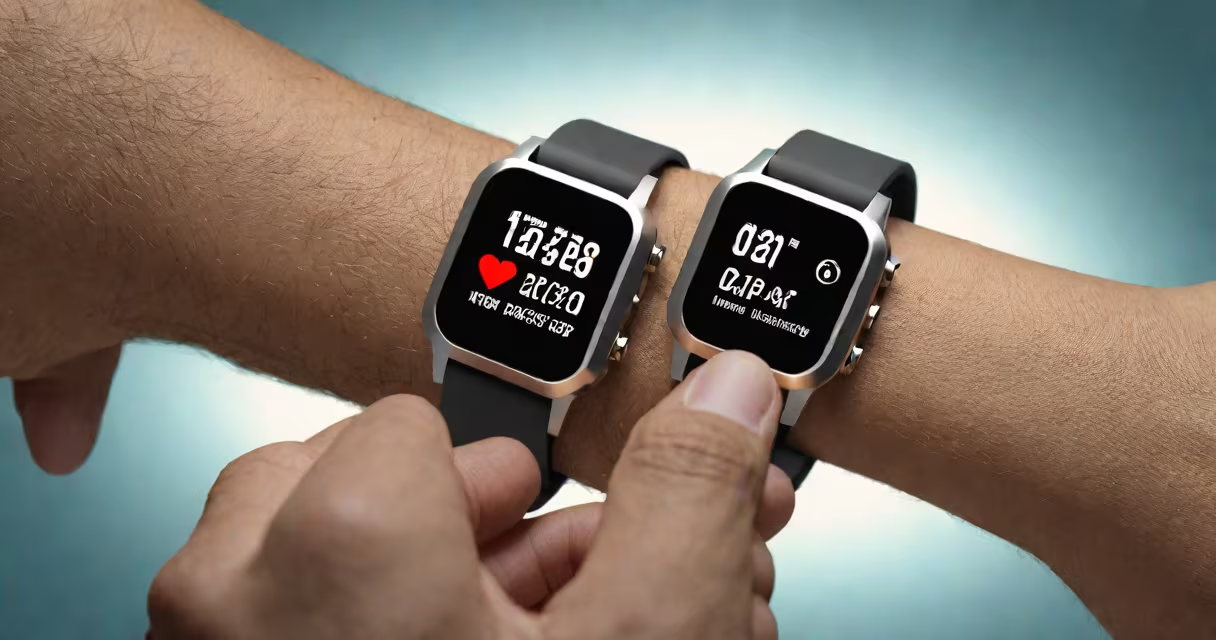
Your heart rate variability (HRV) has dropped when the time between your heartbeats becomes less variable, indicating reduced adaptability of your autonomic nervous system. This shift often reflects increased physiological stress, disrupted sleep, or changes in daily habits.
HRV measures the variation in time between consecutive heartbeats. A high HRV means your body adapts well to challenges, reflecting strong resilience. A low HRV suggests your nervous system is under strain, often due to fatigue, emotional stress, or illness. The drop doesn't mean your heart is failing-it signals your body is struggling to recover.
For example, a 35-year-old software developer reported a consistent HRV drop from 85 ms to 42 ms over five days. He had skipped sleep, consumed three energy drinks, and worked 14-hour days. After four nights of rest and no caffeine, his HRV returned to 78 ms. This illustrates how lifestyle choices directly affect HRV.
HRV is calculated from the intervals between R-waves in an electrocardiogram (ECG) or from pulse data collected via wearables like Apple Watch or Whoop. These devices measure the milliseconds between beats and compute statistical values such as RMSSD (root mean square of successive differences), which correlates strongly with parasympathetic activity-the "rest and digest" branch of the nervous system.
A healthy HRV reflects balance between the sympathetic (fight-or-flight) and parasympathetic systems. When you're relaxed, your heart rate fluctuates widely-this is high HRV. When stressed, the sympathetic system dominates, leading to steady, predictable beats-low HRV.
Research from the American Heart Association confirms that low HRV is linked to higher risks of cardiovascular events. A 2021 study found individuals with HRV below 50 ms had a 2.3 times greater risk of arrhythmia compared to those above 80 ms.
Several factors can trigger a rapid decline in HRV:
For instance, a marathon runner saw her HRV drop from 110 ms to 55 ms during peak training week. She was not ill, but her body was under cumulative load. After reducing volume and increasing rest, HRV recovered to 90 ms in seven days.
A low HRV does not mean you have heart disease. It's not a diagnostic tool for arrhythmias or coronary artery disease. Instead, it's a marker of physiological resilience and nervous system function.
Many assume HRV is stable across days. But it fluctuates -up to 30% in a single day based on activity, meals, and mental state. A single low reading doesn't indicate a problem. Consistent low readings over multiple days are the red flag.
Another myth: HRV improves instantly with meditation. While mindfulness practices boost HRV over weeks, acute effects are modest. A 2019 review in Frontiers in Psychology found meditative breathing increased HRV by only 5-8% in short sessions-meaning long-term consistency matters more than quick fixes.
If your HRV remains low for more than 7-10 days despite rest, hydration, and reduced caffeine, consult a healthcare provider. Persistent low HRV may signal underlying conditions such as dysautonomia, thyroid dysfunction, or chronic fatigue syndrome.
Consider getting an ECG or Holter monitor if you experience dizziness, palpitations, or fainting alongside low HRV. These symptoms suggest potential cardiac involvement beyond autonomic imbalance.
I once tracked my HRV during a two-week hiking trip. Despite physical exertion, my HRV stayed stable because I slept 8 hours nightly and ate balanced meals. When I returned home and resumed a high-stress work schedule, HRV plummeted. Only after adjusting my routine did it rebound. This confirmed that HRV is sensitive to lifestyle-not just fitness level.
| Factor | Impact on HRV | Recovery Time |
|---|---|---|
| One night of poor sleep | ↓ 15-25% | 1-2 days |
| Three cups of coffee | ↓ 10-15% | 4-6 hours |
| Stressful workweek | ↓ 20-30% | 3-5 days |
| Acute infection | ↓ 35-50% | 7-14 days |
Recovery from a drop in HRV typically takes longer than expected. You may feel fine, but your nervous system still needs time to reset. Prioritize sleep, manage stress, and limit stimulants. Track HRV consistently over time-not just daily spikes-to understand your baseline.
Low HRV is not a crisis-but it is a message. Listen to it.