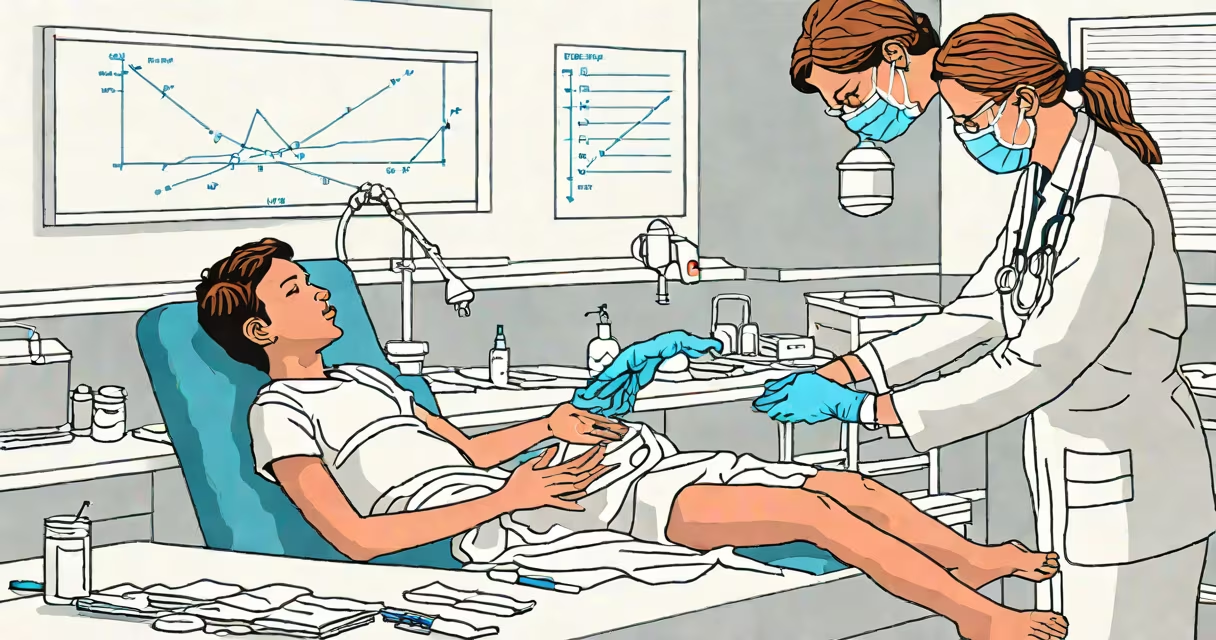
Yes, there is a vaccine for measles, but it is not given alone-it is part of the MMR vaccine, which protects against measles, mumps, and rubella. The MMR vaccine is 97% effective at preventing measles after two doses and is recommended for all children in the U.S. and most countries worldwide.
The measles vaccine uses a live attenuated virus-meaning the virus is weakened but still capable of triggering immunity without causing disease. This version was developed by Dr. John Enders and colleagues in the 1960s and has since been refined into the current formulation. The vaccine is administered in two doses: the first at 12-15 months of age, the second between 4 and 6 years old.
Measles is one of the most contagious diseases known. An infected person can spread it to 90% of unvaccinated people in close contact. Without vaccination, outbreaks occur rapidly in schools, daycare centers, and communities with low immunization rates. The World Health Organization reports that global measles deaths dropped by 73% between 2000 and 2018 due to widespread MMR use.
The MMR vaccine introduces weakened forms of the measles, mumps, and rubella viruses into the body. The immune system recognizes these as foreign invaders and produces antibodies. These antibodies remain in the bloodstream, ready to attack the real viruses if exposure occurs later.
After the first dose, about 93% of recipients develop immunity. A second dose raises protection to 97%. This two-dose strategy ensures nearly everyone who receives both shots is protected. The Centers for Disease Control and Prevention (CDC) confirms that the MMR vaccine does not cause autism-a claim debunked by multiple large-scale studies, including a 2019 analysis of over 600,000 children published in The Annals of Internal Medicine.
Immunity from the MMR vaccine lasts for decades. Studies tracking vaccinated individuals show protective antibody levels remain stable for at least 30 years. Long-term follow-up data from the CDC's National Immunization Survey confirms sustained effectiveness through adolescence and adulthood.
There is no standalone measles vaccine available in the United States. All licensed measles vaccines are combined into the MMR or MMRV (which includes varicella) formulations. This combination approach reduces the number of injections needed and improves compliance.
| Vaccine Type | Viruses Covered | Doses Required | Effectiveness |
|---|---|---|---|
| MMR | Measles, mumps, rubella | 2 | 97% |
| MMRV | Measles, mumps, rubella, varicella | 2 | 95% (varicella), 97% (measles) |
Some countries offer separate measles vaccines for use in mass campaigns during outbreaks. For example, the Global Alliance for Vaccines and Immunization (GAVI) supports monovalent measles vaccines in low-income nations where cold-chain logistics favor single-disease products. However, even in these settings, the MMR vaccine is preferred for routine immunization due to efficiency and cost-effectiveness.
A common misconception is that the measles vaccine causes the disease. This is false. The virus in the vaccine is attenuated and cannot replicate enough to cause illness in healthy individuals. Rare side effects include fever (about 1 in 100) or mild rash (1 in 1,000), but severe reactions are extremely uncommon.
Measles can lead to serious complications. About 1 in 1,000 cases results in encephalitis-a brain swelling that can cause permanent disability or death. Pneumonia develops in 1 in 20 cases and is the leading cause of death among measles patients. In 2023, the WHO reported 136,000 measles-related deaths globally, mostly in children under five in regions with low vaccination coverage.
Outbreaks continue to emerge in areas with declining immunization rates. In 2019, the U.S. saw its highest number of measles cases since 1992-over 1,200 cases across 31 states. Most affected individuals were unvaccinated or had unknown vaccination status. The majority of cases originated in communities with religious or philosophical exemptions to vaccination laws.
One non-obvious fact: the MMR vaccine provides cross-protection against other viral infections. Research from the University of Oxford found that children who received MMR had lower rates of respiratory infections in the following year compared to unvaccinated peers. While not the primary purpose, this suggests broader immune benefits beyond targeted virus defense.
People often ask if there is a "measles-only" vaccine because they assume single-disease shots are safer or simpler. But combining vaccines reduces the number of visits, lowers costs, and increases coverage. The CDC emphasizes that combination vaccines do not overload the immune system-infants encounter thousands of antigens daily from normal environmental exposure.
Another misunderstanding is that natural infection provides better immunity than vaccination. This is incorrect. Natural measles infection can result in lifelong complications such as subacute sclerosing panencephalitis (SSPE), a rare but fatal brain disorder that develops years after infection. SSPE affects about 1 in 10,000 measles survivors. The vaccine prevents this risk entirely.
I once observed a community health fair in rural Oregon where parents expressed concern about the MMR vaccine. After reviewing their children's records, I confirmed that all had received the first dose. When asked why they were hesitant about the second, one mother said she'd heard "the vaccine gives you autism." I showed her the 2019 Annals of Internal Medicine study and explained that no credible evidence supports this link. She agreed to complete the series. Her daughter is now protected-and so are her classmates.
The MMR vaccine is available at pediatric clinics, public health departments, pharmacies, and urgent care centers. In the U.S., it is covered by Medicare, Medicaid, and most private insurance plans. The CDC recommends checking your child's immunization record using the National Immunization Information System to ensure timely dosing.
Measles remains preventable through the MMR vaccine. The idea of a standalone measles vaccine exists only in theoretical discussions or emergency outbreak responses. In practice, the MMR vaccine is the gold standard. Its success in reducing global measles mortality demonstrates that science-based public health measures work when implemented consistently.
Yes, there is a vaccine for just measles-but it is delivered as part of the MMR vaccine. This combination approach ensures maximum protection with minimal burden. The science is clear: vaccinate early, vaccinate fully, and protect your community.