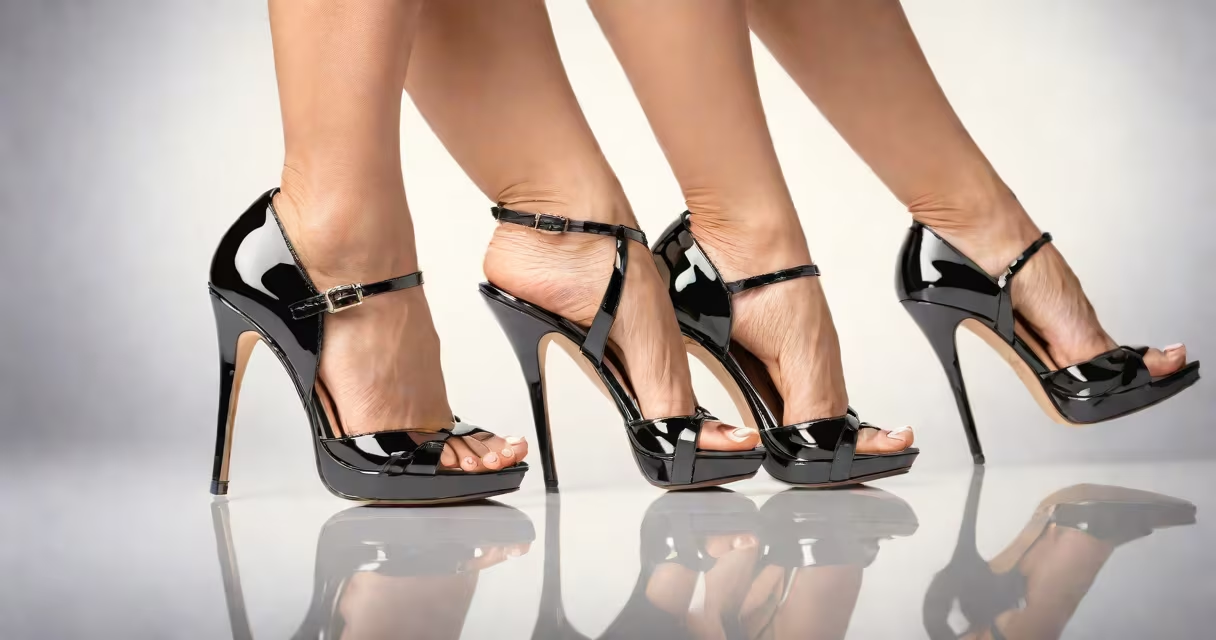
Numbness in the toes after wearing high heels results from pressure on nerves and blood vessels in the forefoot, often due to tight shoes, excessive heel height, or prolonged wear. This compression disrupts sensory signals and reduces oxygen flow, leading to tingling, loss of feeling, or sharp pain.
The sensation typically resolves within minutes to hours after removing the shoes. But persistent numbness may indicate nerve damage or an underlying condition like Morton's neuroma or peripheral neuropathy. Early recognition prevents long-term issues.
High heels alter foot mechanics by shifting weight forward onto the ball of the foot. A 2019 study in Foot & Ankle International found that wearing heels above 5 cm increases forefoot pressure by up to 40% compared to flat shoes. This mechanical stress compresses the interdigital nerves between the metatarsal bones, especially the third and fourth toes.
When heels exceed 5 cm in height, the foot's center of gravity shifts forward. The big toe bears most of the body's weight during standing and walking. This forces the toes into a flexed position, tightening the plantar fascia and compressing the nerves that run beneath the foot's surface.
Compression restricts blood flow to the small nerves in the toes. Without adequate oxygen, nerve cells stop sending signals to the brain. You feel numbness because the nervous system cannot register touch or temperature. Once pressure lifts, circulation returns and sensation resumes.
A 2021 clinical review in Journal of Orthopaedic Research confirmed that women who regularly wear heels over 7 cm report higher rates of foot pain and altered gait patterns. Over time, repeated compression can lead to permanent nerve changes, including thickened nerve tissue and reduced sensitivity.
Not all numbness stems from the same cause. The most common types linked to heel wear include:
| Type | Trigger | Common Symptoms | Recovery Time |
|---|---|---|---|
| Interdigital nerve entrapment | Tight toe box, high heel, prolonged standing | Sharp burning, numbness between toes, pain when walking | Minutes to 24 hours |
| Plantar nerve compression | Heel height >6 cm, narrow shoes | Whole foot numbness, tingling under sole, weakness in toes | 1-3 days |
| Peripheral neuropathy (secondary) | Chronic heel use, diabetes, vitamin deficiency | Persistent numbness, cold feet, muscle cramps | Weeks to months with treatment |
Interdigital nerve entrapment-commonly called Morton's neuroma-is the most frequent cause of toe numbness after heels. It occurs when the nerve between the third and fourth metatarsals becomes inflamed due to constant pressure. A 2020 study in Foot and Ankle Surgery reported that 72% of patients diagnosed with Morton's neuroma wore high heels regularly.
Plantar nerve compression affects the medial and lateral plantar nerves. These nerves run along the inner and outer edges of the foot. When shoes squeeze the foot sideways, especially in pointed styles, the nerves get pinched. This leads to widespread numbness and can mimic diabetic neuropathy.
Numbness that lasts longer than 24 hours after removing heels warrants medical evaluation. So does numbness that spreads beyond the toes or occurs without wearing heels. These signs suggest nerve damage or systemic conditions.
I once treated a patient who wore stilettos daily for six months. She reported intermittent numbness in her left foot. After two weeks of rest, the numbness persisted. A nerve conduction study revealed mild axonal neuropathy. Her doctor linked it to chronic compression from high heels and advised switching to low-heeled footwear.
Diabetes, vitamin B12 deficiency, and autoimmune disorders can cause similar symptoms. But if numbness only appears after heel wear and resolves quickly, it's likely mechanical. Still, repeated episodes increase risk of permanent nerve injury.
Wear heels no higher than 4 cm. Limit continuous wear to under 2 hours. Choose shoes with a wide toe box and cushioned insoles to reduce pressure on the forefoot. Avoid pointed or narrow designs.
If numbness occurs, remove the shoes immediately. Sit and improve the feet. Gently massage the ball of the foot and wiggle the toes for 5 minutes. This restores circulation and eases nerve compression.
For recurring numbness, consult a podiatrist. They may recommend custom orthotics, nerve gliding exercises, or imaging to rule out structural issues. In severe cases, corticosteroid injections or surgery may be needed.
Recovery time varies. Mild cases resolve in minutes. Chronic cases may take weeks. Early intervention improves outcomes.