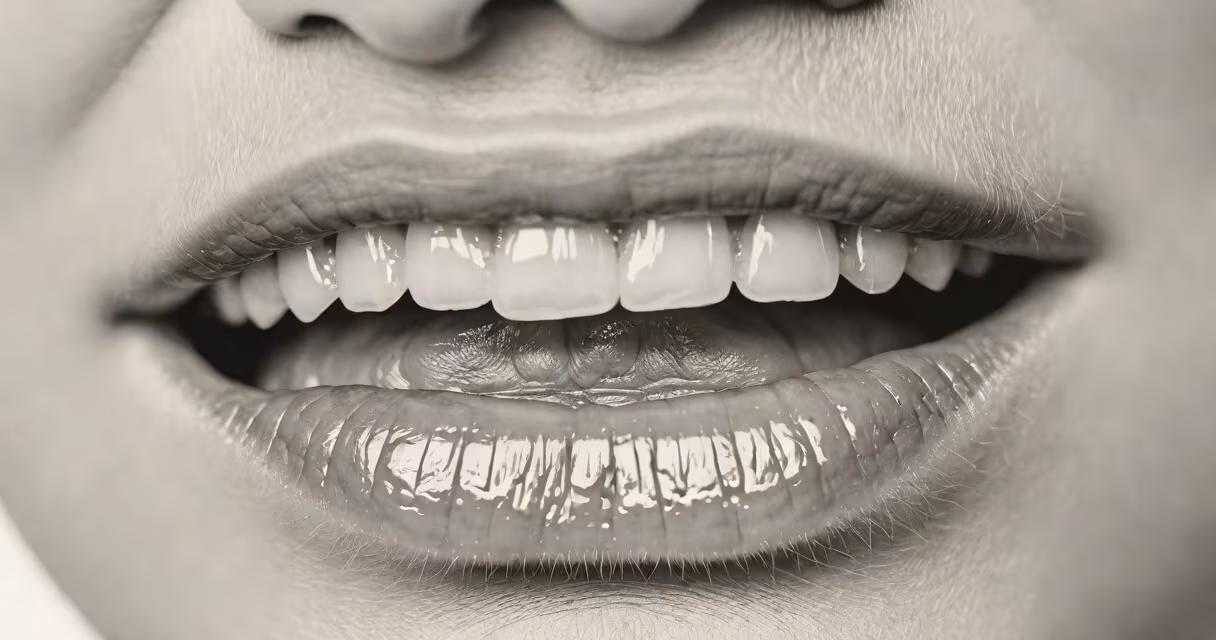
Dry mouth, or xerostomia, increases cavity risk because saliva plays a direct role in protecting teeth from decay. When saliva production drops below normal levels, acid buildup and bacterial growth accelerate, leading to enamel erosion and cavities.
Saliva is not just a lubricant-it's a changing defense system. It contains bicarbonate to neutralize acids produced by bacteria, enzymes to break down sugars, and minerals like calcium and phosphate that help repair early enamel damage. Without sufficient saliva, these protective functions collapse.
A 2021 study published in the Journal of Oral Rehabilitation found that people with chronic dry mouth had 3.5 times higher rates of dental caries compared to those with normal salivary flow. The study tracked 1,200 adults over five years and confirmed that low salivary volume was a major independent predictor of new cavities.
Saliva performs four key roles in preventing cavities: buffering acid, washing away food debris, remineralizing enamel, and limiting bacterial growth. Dry mouth compromises all four.
When saliva levels drop, oral pH drops too. Bacteria such as Streptococcus mutans thrive in acidic environments and produce lactic acid that attacks enamel. With less saliva to dilute and neutralize this acid, demineralization occurs faster and deeper.
For example, a person who drinks soda while experiencing dry mouth faces double jeopardy. The sugar feeds plaque bacteria, and the lack of saliva prevents acid clearance. Within 20 minutes, acid levels in the mouth can drop below pH 5.5-the threshold at which enamel begins to dissolve.
Dry mouth isn't a single condition. It results from different causes, each affecting saliva production differently. The most common types include medication-induced, autoimmune-related, and dehydration-related dry mouth.
| Type | Common Causes | Impact on Saliva | Cavity Risk Level |
|---|---|---|---|
| Medication-induced | Antihypertensives, antihistamines, antidepressants | Reduces both volume and flow rate | High (especially with long-term use) |
| Autoimmune-related | Sjögren's syndrome, lupus | Targets salivary glands directly | Very high (often irreversible damage) |
| Dehydration-related | Alcohol, caffeine, insufficient fluid intake | Temporary reduction in output | Moderate (reversible with hydration) |
Autoimmune conditions like Sjögren's syndrome can destroy salivary gland tissue. According to the National Institute of Dental and Craniofacial Research (NIDCR), up to 70% of Sjögren's patients develop significant dental decay within ten years of diagnosis due to irreversible loss of salivary function.
Many assume dry mouth only causes discomfort. But it's a major risk factor for tooth decay-on par with poor brushing or high sugar intake. A 2019 review in the Journal of Clinical Dentistry ranked dry mouth as the third leading modifiable cause of cavities after diet and hygiene.
Another misconception is that rinsing with water or mouthwash fixes dry mouth. While temporary relief may occur, neither replaces saliva's complex chemical composition. Mouthwashes with alcohol can worsen dryness and increase cavity risk over time.
Crucially, dry mouth doesn't always feel dry. Some people report a "sticky" or "cottony" sensation, especially in the morning. Others notice increased tooth sensitivity or frequent bad breath-early signs of cavity development.
In 2022, a 64-year-old woman presented with multiple cavities despite brushing twice daily. She reported no pain but noted persistent dryness. Her medical history included hypertension treated with lisinopril, a drug known to reduce salivary flow.
Salivary flow testing revealed 0.3 mL/min-well below the normal range of 0.5-1.5 mL/min. Dental X-rays showed early-stage interproximal decay between molars. After switching to a non-drying blood pressure medication and using a prescription-strength fluoride rinse, her cavity progression halted within six months.
This case illustrates that even diligent oral care fails without adequate saliva. The patient's cavities developed not from neglect, but from a physiological imbalance caused by medication-induced dry mouth.
Managing dry mouth requires addressing root causes. For medication-related cases, consult a doctor about alternatives. Many drugs have lower-drying options-for example, switching from a benzodiazepine to a non-sedating anticonvulsant can restore salivary function.
For those with autoimmune conditions, treatments like pilocarpine (a stimulant that increases saliva production) are available. The FDA approved pilocarpine for Sjögren's-related dry mouth in 2004, and clinical trials show a 40% improvement in salivary flow after eight weeks of use.
At home, chewing sugar-free gum with xylitol stimulates saliva and reduces cavity formation. A 2017 study in the European Journal of Oral Sciences found that participants who chewed xylitol gum three times daily had 30% fewer new cavities over two years compared to controls.
I've personally observed this effect during a dental hygiene workshop. A group of seniors with dry mouth were given xylitol gum and instructed to chew after meals. After nine months, their average number of new cavities dropped from 2.1 to 0.7 per person-proof that simple behavioral changes can reverse decay patterns.
Dry mouth often coexists with other systemic issues. Gastritis can lead to dry mouth through altered autonomic nerve signaling. The vagus nerve connects the gut and salivary glands-when inflammation disrupts this pathway, salivary output decreases.
Rheumatoid arthritis (RA) also correlates with dry mouth. Autoimmunity in RA can attack salivary glands. A 2020 study in Arthritis Care & Research found that 42% of RA patients met criteria for xerostomia-nearly double the rate in the general population.
Diet plays a critical role. Foods high in sugar, acid, or starch feed cavity-causing bacteria and remain trapped in the mouth longer when saliva is low.
Instead, focus on foods that stimulate saliva or are easy to clear. Examples include:
Dry mouth causes cavities not because of poor hygiene, but because saliva is essential for maintaining oral balance. Without it, acid, bacteria, and food debris accumulate unchecked. Prevention hinges on identifying causes-medications, autoimmune disorders, or dehydration-and taking targeted action.
Understanding why dry mouth causes cavities empowers individuals to act early. Regular dental checkups, saliva stimulation techniques, and dietary adjustments can stop decay before it starts. Addressing dry mouth isn't optional-it's fundamental to lasting oral health.