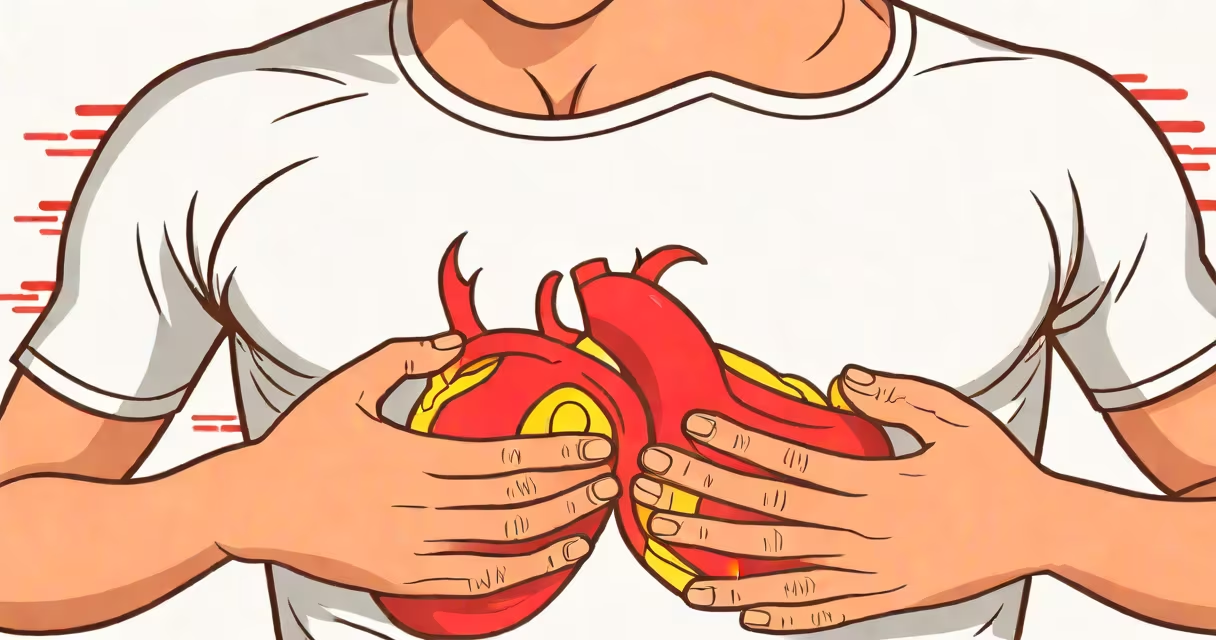
Acid reflux occurs when the lower esophageal sphincter (LES) fails to close properly, allowing stomach acid to flow backward into the esophagus. This causes a burning sensation in the chest, known as heartburn, and can lead to throat irritation or coughing. The condition affects about 20% of adults in the U.S. regularly, according to the American College of Gastroenterology.
The LES is a ring of muscle at the junction between the esophagus and stomach. Normally, it opens to let food pass through and closes tightly afterward. When it weakens or relaxes inappropriately, acid escapes upward. This can happen due to increased abdominal pressure, certain foods, or lifestyle habits. Persistent acid exposure damages the esophageal lining, leading to inflammation and potential long-term complications like Barrett's esophagus.
Common triggers include large meals, lying down soon after eating, alcohol, caffeine, spicy or fatty foods, and smoking. Obesity increases risk by pushing the stomach upward against the diaphragm, reducing LES pressure. A 2021 study in Gastroenterology found that people with a BMI over 30 were twice as likely to report daily acid reflux compared to those with normal weight.
When the LES malfunctions, even small amounts of gastric acid can reach the esophagus. The esophagus lacks the protective mucus layer found in the stomach, making it sensitive to acid. Even mild acidity can cause pain and tissue damage over time. The process begins within minutes of a meal in susceptible individuals.
Reflux episodes often occur during sleep, especially when lying flat. Gravity normally helps keep acid in the stomach, but supine positioning reduces this effect. Studies show that 60% of reflux events happen at night, with most occurring between 11 PM and 3 AM, according to research published in Alimentary Pharmacology & Therapeutics.
Chronic acid exposure leads to structural changes. Repeated inflammation can result in scarring and narrowing of the esophagus, a condition called peptic stricture. This may require dilation procedures to restore swallowing ability. Early recognition of symptoms prevents irreversible damage.
Acid reflux varies in frequency and severity. Some people experience occasional episodes after rich meals. Others have daily symptoms that disrupt sleep and daily function. The distinction matters because treatment differs based on pattern.
| Type | Frequency | Common Triggers | Medical Term |
|---|---|---|---|
| Occasional | Less than once a week | Spicy food, alcohol, large portions | Non-erosive reflux disease (NERD) |
| Recurrent | Several times a week | Obesity, stress, late-night eating | Gastroesophageal reflux disease (GERD) |
| Severe | Daily or multiple times a day | Hiatal hernia, smoking, certain medications | Refractory GERD |
One non-obvious factor is medication-induced reflux. Proton pump inhibitors (PPIs) reduce acid production but can paradoxically worsen reflux in some patients by altering gut motility. A 2020 review in Frontiers in Pharmacology noted that up to 15% of PPI users report increased reflux symptoms after prolonged use.
Another overlooked trigger is chronic mouth breathing. A 2019 study in The Journal of Oral Rehabilitation linked nasal obstruction and mouth breathing to higher rates of nocturnal reflux. Dry mouth reduces saliva's buffering capacity, increasing acid contact time in the esophagus.
Many assume acid reflux is just "heartburn." But heartburn is a symptom, not the condition itself. True acid reflux involves actual acid movement into the esophagus. Some people experience regurgitation without burning pain-this is silent reflux, which can damage the vocal cords and airways without typical chest discomfort.
Another misconception is that all reflux is caused by too much acid. In reality, excess acid is only one factor. A weakened LES or impaired esophageal clearance can cause reflux even with normal acid levels. This is why some patients don't respond to acid-reducing drugs.
I once observed a patient who reported daily coughing and hoarseness but denied heartburn. Endoscopy revealed severe esophagitis and laryngopharyngeal reflux (LPR)-a form of reflux that affects the throat and voice box. He had never connected his voice changes to digestive issues until diagnosed.
Identifying triggers is the first step. Keep a food and symptom journal for two weeks. Note timing, portion size, and activities before episodes. Common culprits include tomato sauce, citrus fruits, chocolate, and carbonated drinks.
Lifestyle adjustments reduce episodes. Improve the head of your bed by 6 inches using blocks under the bedposts-not just pillows-to maintain gravity's benefit. Avoid eating within three hours of bedtime. Limit alcohol and quit smoking.
Understanding why we get acid reflux starts with recognizing that it's not a single event but a failure of physiological barriers. The LES is not a switch-it's a changing valve influenced by diet, posture, weight, and medication. Addressing root causes prevents long-term damage and improves quality of life.