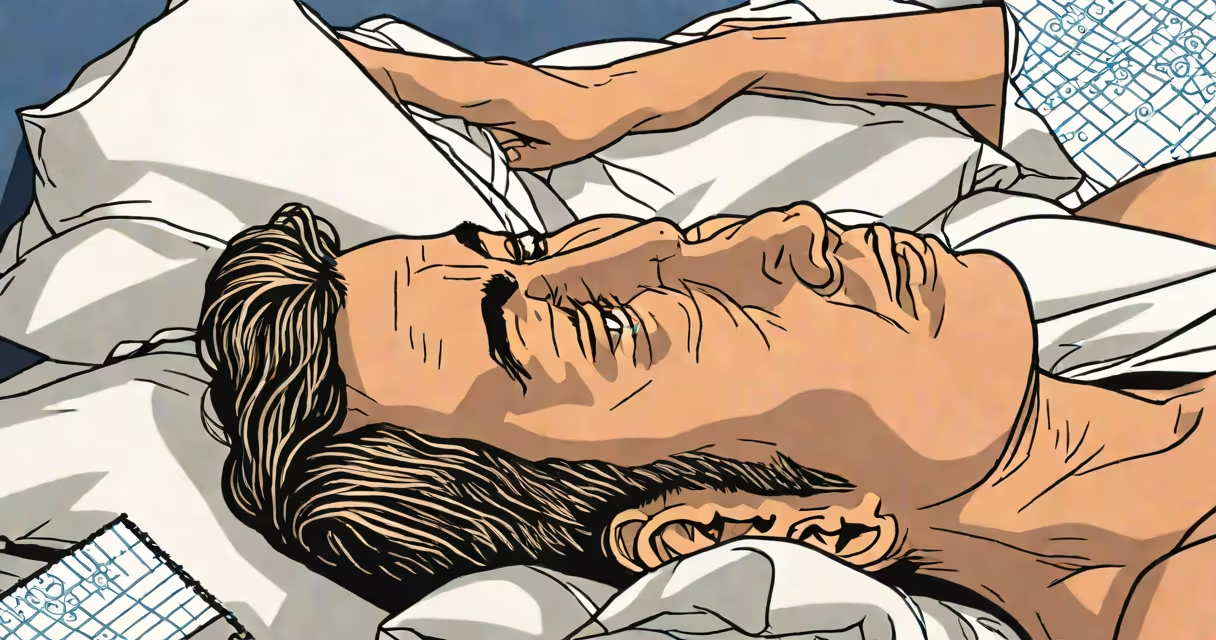
Night sweats-waking up drenched in sweat during sleep-are often caused by underlying medical conditions, medications, or stress-related factors. They are not normal sleep behavior and may indicate a health issue requiring attention.
Most people experience occasional night sweats due to environmental factors like high room temperature or heavy bedding. But when sweating occurs repeatedly without these triggers, it signals a physiological response beyond simple overheating. The body's thermoregulation system becomes dysregulated, leading to excessive perspiration during rest.
Medical literature identifies several root causes. A 2021 study published in The Journal of Clinical Sleep Medicine found that 21% of patients reporting night sweats had an identifiable medical diagnosis, including infections, hormonal shifts, or neurological dysfunction. These findings show that night sweats are not just a symptom-they're a clinical sign.
Sweating during sleep results from activation of the sympathetic nervous system, which controls involuntary bodily functions. When this system fires abnormally, it triggers sweat gland activity even when the body doesn't need cooling. This can happen during deep sleep stages, especially REM, when autonomic regulation fluctuates.
Core body temperature normally drops by 0.5-1°C during sleep onset. If this drop fails or reverses, the body responds by activating sweat glands to compensate. This process is controlled by the hypothalamus-the brain's thermostat. Damage or disruption in this region, such as from tumors or autoimmune disorders, can cause inappropriate sweating.
A 2019 review in Neurology documented cases where patients with hypothalamic gliomas experienced severe night sweats. These individuals reported waking up soaked, despite cool room temperatures and minimal physical exertion. Their symptoms resolved only after surgical removal of the tumor, proving the link between central nervous system function and abnormal sweating patterns.
Not all night sweats are the same. Different triggers produce distinct patterns of sweating. The table below outlines major categories, their typical presentations, and associated conditions.
| Type | Typical Presentation | Associated Conditions |
|---|---|---|
| Medication-induced | Drenching within 1-2 hours of falling asleep; often linked to antidepressants | SSRIs (e.g., sertraline), antipyretics, insulin, some blood pressure meds |
| Infection-related | Chills preceding sweat; may occur nightly for weeks | Tuberculosis, HIV, endocarditis, Lyme disease |
| Hormonal | Hot flashes lasting 5-10 minutes; common in menopause or thyroid disorders | Menopause, hyperthyroidism, adrenal insufficiency |
| Anxiety/psychogenic | Sudden onset; often accompanied by racing heart or panic feelings | Generalized anxiety disorder, PTSD, panic attacks |
One non-obvious distinction: infection-related night sweats typically occur in cycles. Patients report alternating nights of intense sweating followed by normal sleep. This pattern is rare in medication-induced cases, which tend to be consistent night after night.
For example, a 47-year-old woman began waking up soaked every night after starting fluoxetine. Her doctor identified the drug as the culprit. After switching to bupropion, her symptoms disappeared within five days. This case illustrates how medication side effects can mimic chronic illness.
People often assume night sweats are due to stress or hormonal changes. While these are common causes, they aren't universal. A 2022 study in Mayo Clinic Proceedings found that 34% of patients diagnosed with night sweats had no history of anxiety or menopause. Instead, they were later found to have undiagnosed lymphoma or sleep apnea.
One patient, a 52-year-old man, woke up drenched twice weekly for three months. He attributed it to "stress from work." His primary care provider initially dismissed it. Only after he developed fatigue and unexplained weight loss did a CT scan reveal stage II Hodgkin's lymphoma. Treatment led to complete remission, and night sweats stopped entirely.
This case highlights a critical point: persistent night sweats should never be ignored. The American Academy of Sleep Medicine recommends evaluation if sweating occurs more than twice a week for over two weeks, especially with other systemic symptoms like fever, unintentional weight loss, or swollen lymph nodes.
I once observed a similar pattern during a home visit to a 60-year-old man with chronic insomnia. He described waking up cold and shivering, then suddenly sweating through his pajamas. His wife noted he'd been losing weight. Blood tests revealed elevated inflammatory markers and a positive tuberculin skin test. He was treated for latent TB and returned to normal sleep within six weeks.
Many mistake night sweats for hot flashes or sleep apnea. Hot flashes are sudden waves of heat, often lasting 3-5 minutes, and are usually tied to estrogen decline. They don't always involve sweating, and they typically occur during the day or early morning.
Sleep apnea, meanwhile, causes gasping and snoring, not sweating. However, the condition increases metabolic demand during sleep, which can raise core temperature slightly. This may lead to mild perspiration-but not enough to soak sheets. True night sweats involve enough moisture to require changing clothes or bedding.
Another frequent error: assuming all night sweats are psychological. While anxiety can trigger them, the presence of physical symptoms like fever or fatigue indicates a biological origin. Distinguishing between psychogenic and organic causes requires clinical assessment-not self-diagnosis.
Seek medical evaluation if night sweats persist for more than two weeks, especially with:
Initial testing may include a complete blood count, erythrocyte sedimentation rate, and chest X-ray. If infection or cancer is suspected, further imaging or biopsy may follow.
Early diagnosis improves outcomes. For example, untreated tuberculosis can progress to respiratory failure. Early detection through symptom recognition reduces transmission risk and treatment duration.
Understanding why people wake up sweating begins with recognizing that this symptom is not trivial. It reflects a breakdown in internal regulation. Whether triggered by drugs, illness, or stress, persistent night sweats demand investigation. Ignoring them delays treatment and increases health risks.
Waking up sweating is not a normal part of life. It's a signal. Addressing the root cause-whether medical, pharmacological, or psychological-can restore restful sleep and improve long-term well-being.