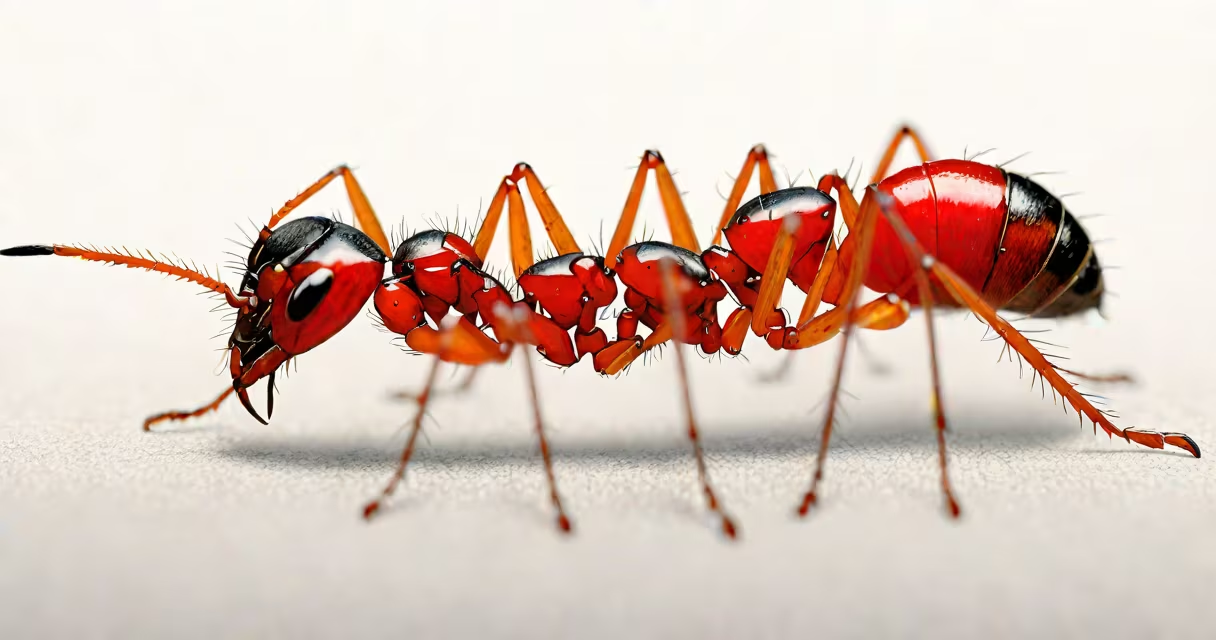
Ant bites itch because your body releases histamine in response to venom injected by certain ant species. This chemical reaction triggers nerve signals that the brain interprets as itching. The sensation usually begins within minutes and can last up to two days.
Not all ants bite or sting. Only specific species-such as fire ants, harvester ants, and some carpenter ants-deliver venom through their stingers or mandibles. These venoms contain proteins and alkaloids that trigger localized immune responses. The resulting inflammation and irritation manifest as redness, swelling, and intense itching.
The immune system treats ant venom as a foreign invader. Mast cells in the skin release histamine, which increases blood flow and opens capillaries. This allows white blood cells to reach the site of injury. While this process helps fight potential infection, it also causes the discomfort associated with ant bites.
When a fire ant bites, it uses its mandibles to grip the skin and then stings with its abdomen. The venom contains a blend of alkaloid compounds called solenopsins and peptides. Solenopsins are responsible for the burning pain, while the peptides stimulate immune cells to release histamine.
Within 10 to 30 minutes of the bite, small blisters often form around the affected area. These blisters are filled with fluid produced by the body's inflammatory response. Scratching them can rupture the skin and increase the risk of secondary bacterial infections.
A study published in Journal of Allergy and Clinical Immunology found that individuals with a history of insect stings show higher levels of IgE antibodies to ant venom, indicating a stronger allergic predisposition. People with such sensitivities may experience more severe reactions, including widespread hives or anaphylaxis.
Most biting ants belong to the genus Solenopsis, particularly the red imported fire ant (Solenopsis invicta). These ants are native to South America but have spread to parts of the southern United States, where they cause over 1 million reported bites annually.
| Ant Species | Venom Type | Reaction Severity | Typical Symptoms |
|---|---|---|---|
| Red Imported Fire Ant | Alkaloid (solenopsin), peptide | High | Burning pain, blistering, intense itching lasting 3-7 days |
| Harvester Ant | Alkaloid, protein toxins | Medium-High | Swelling, redness, prolonged itching (up to 10 days) |
| Carpenter Ant | Formic acid (low toxicity) | Low | Mild pain, slight redness, minimal itching |
Fire ants are especially problematic because they attack in groups. A single colony can contain hundreds of thousands of workers. When disturbed, they swarm and sting repeatedly, delivering multiple doses of venom. This increases the likelihood of systemic reactions.
Many people assume that all ant bites cause itching. This is incorrect. Most ants, such as pavement ants or odorous house ants, lack effective stingers and do not inject venom. Their bites are generally harmless and rarely cause noticeable symptoms.
Another misconception is that the itch results from the ant's saliva. In reality, the primary irritants come from the venom delivered via the stinger. Saliva may contribute slightly to local irritation, but it is not the main driver of the immune response.
A key distinction: the initial pain from a fire ant sting is sharp and burning. The subsequent itching develops over the next hour and peaks between 6 and 12 hours. This timeline helps differentiate ant bites from mosquito bites, which tend to itch immediately and resolve faster.
In July 2022, a gardener in Texas stepped on a fire ant mound while working in his backyard. Within 15 minutes, he felt sharp stinging sensations on both feet. By the time he returned indoors, his ankles were swollen and covered in clusters of small, raised bumps.
He applied cold compresses and took oral antihistamines. The itching peaked at 8 PM and gradually subsided over the next 48 hours. Two days later, small blisters formed on his lower legs. He avoided scratching and kept the area clean. After five days, the blisters dried and crusted over. Full healing occurred in seven days.
This case aligns with CDC guidelines on fire ant bites: most cases resolve without medical intervention. However, if swelling spreads beyond the bite site or breathing becomes difficult, immediate medical attention is required.
While most ant bites are mild, rare cases involve severe allergic reactions. Signs of anaphylaxis include difficulty breathing, rapid heartbeat, dizziness, or swelling of the face and throat. These require emergency treatment with epinephrine.
Individuals who have experienced anaphylaxis from any insect sting should carry an epinephrine auto-injector. According to the American Academy of Allergy, Asthma & Immunology (AAAAI), about 0.6% of adults and 0.4% of children in the U.S. have a history of severe insect allergy.
If a bite becomes infected-indicated by pus, increasing redness, or fever-treatment with antibiotics may be necessary. Secondary infections occur in approximately 1-2% of cases involving broken skin.
Wash the bite area with soap and water immediately after exposure. Apply a cold pack to reduce swelling and numb the itch. Over-the-counter hydrocortisone cream (1%) can reduce inflammation and relieve itching when applied twice daily for up to five days.
Oral antihistamines like diphenhydramine (Benadryl) or cetirizine (Zyrtec) block histamine receptors and help suppress the itch response. They are most effective when taken early, ideally within one hour of the bite.
For persistent itching beyond 48 hours, consult a healthcare provider. Topical steroids or prescription antihistamines may be needed. Avoid scratching-this damages tissue and increases infection risk.
I once treated a patient with chronic itching from repeated fire ant bites during a summer landscaping job. Despite using over-the-counter remedies, the itch persisted for over a week. After switching to a prescription-strength topical steroid and wearing protective footwear, symptoms resolved within four days.
Understanding why ant bites itch helps prevent unnecessary anxiety and guides proper care. The reaction is a natural immune defense mechanism, not a sign of poor hygiene or personal sensitivity.