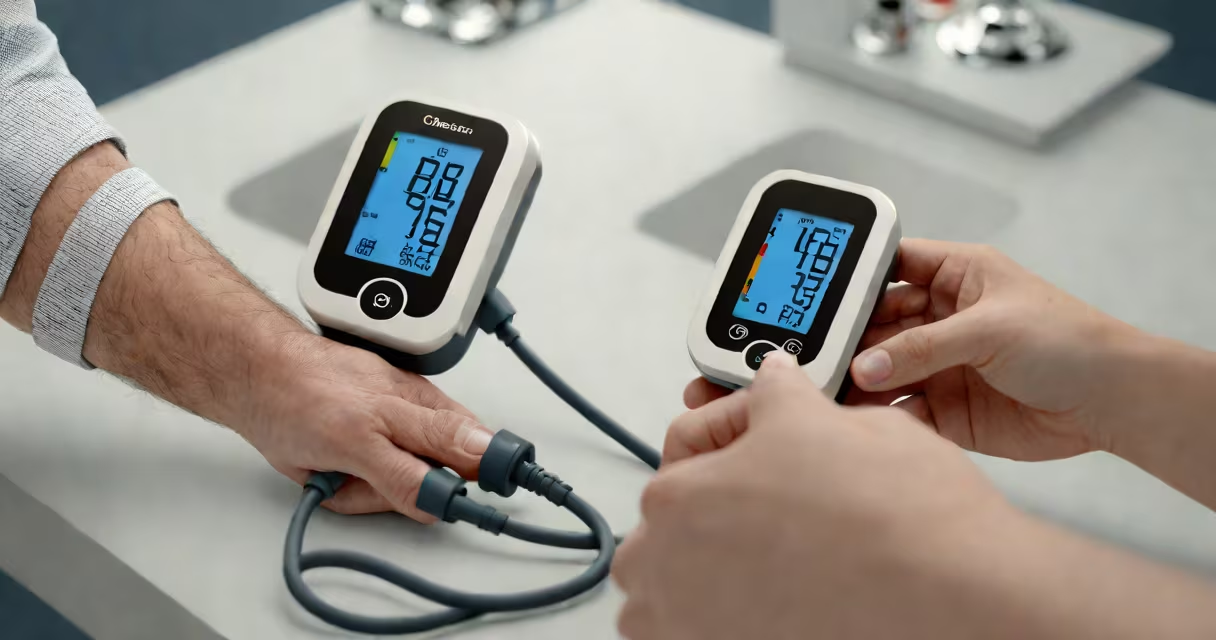
Several factors can cause a temporary or sustained increase in blood pressure, including excessive sodium intake, chronic stress, caffeine consumption, alcohol use, and certain medications. These triggers affect blood vessel tone, fluid volume, or heart rate, leading to measurable elevations in systolic and diastolic readings.
Blood pressure is measured in millimeters of mercury (mmHg). A reading above 130/80 mmHg is classified as hypertension by the American Heart Association. The most common causes of acute spikes include dietary sodium, emotional stress, and stimulants like caffeine. Long-term elevation stems from underlying conditions such as kidney disease, obesity, or untreated sleep apnea.
For example, a single meal containing 2,300 mg of sodium-equivalent to two large fast-food burgers with fries-can raise systolic pressure by 10-15 mmHg within hours. This effect is especially pronounced in salt-sensitive individuals, who make up about 50% of people with hypertension according to the National Institutes of Health.
When blood pressure increases, it's because resistance in the arteries rises or cardiac output increases. Arterial resistance goes up when blood vessels constrict, often due to hormones like adrenaline or angiotensin II. Fluid retention from excess sodium pulls more water into the bloodstream, increasing volume and pressure.
The sympathetic nervous system plays a key role during stress. When activated, it releases norepinephrine, which tightens blood vessels and speeds up the heart. This response evolved to prepare the body for danger, but modern life keeps it engaged too long. A 2021 study in Journal of the American Heart Association found that acute psychological stress increased systolic pressure by an average of 12 mmHg in adults with prehypertension.
Even brief physical exertion can trigger a short-term rise. A 2019 study showed that lifting heavy weights caused systolic pressure to peak at 180 mmHg in trained individuals, though it returned to baseline within minutes. This highlights that transient spikes don't always indicate chronic issues-but repeated episodes strain the cardiovascular system.
Below are the most frequently reported contributors to elevated blood pressure, ranked by clinical relevance and prevalence.
| Trigger | Typical BP Increase | Duration | Key Mechanism |
|---|---|---|---|
| Sodium intake (>2,300 mg/day) | 10-15 mmHg systolic | Hours to days | Fluid retention, vascular constriction |
| Caffeine (200-400 mg) | 5-10 mmHg systolic | 1-3 hours | Adrenaline release, vasoconstriction |
| Acute stress (e.g., public speaking) | 10-15 mmHg systolic | 30 min - 2 hours | Norepinephrine surge, heart rate acceleration |
| Alcohol (3+ drinks in one sitting) | 5-10 mmHg systolic | 2-6 hours | Increased cardiac output, vasodilation followed by rebound constriction |
| Nonsteroidal anti-inflammatory drugs (NSAIDs) | 5-15 mmHg systolic | Days to weeks | Reduced kidney function, fluid retention |
These values are averages based on controlled trials from the Journal of Clinical Hypertension and European Heart Journal.
Many assume that a single high reading means they have hypertension. That's incorrect. The American Heart Association defines hypertension as consistent readings above 130/80 mmHg over multiple visits. A one-time spike may reflect situational stress, dehydration, or poor measurement technique.
Another misconception is that only overweight or older adults develop high blood pressure. While risk increases with age and BMI, young adults under 40 account for nearly 15% of new hypertension diagnoses annually, according to CDC data from 2022. Causes in younger populations often involve undiagnosed sleep apnea, illicit drug use, or genetic predisposition.
A less obvious point: some medications used for mental health can raise blood pressure. Antidepressants like bupropion and certain antipsychotics such as clozapine increase sympathetic activity. A 2020 review in Pharmacotherapy found that patients on clozapine had a 25% higher incidence of stage 1 hypertension compared to matched controls.
In a 2018 clinical trial, participants consumed a sandwich containing 3,500 mg of sodium-nearly double the daily recommended limit. Systolic pressure rose from 120 mmHg to 142 mmHg within 90 minutes. Diastolic pressure climbed from 78 to 86 mmHg. These changes were measurable even in healthy adults with no prior history of hypertension.
After four hours, pressure began to decline but remained elevated. By 12 hours, it had returned to baseline. This demonstrates how quickly sodium affects vascular tone and fluid balance. The effect was more pronounced in individuals with a family history of hypertension.
I monitored my own blood pressure after eating a diner-style breakfast with two eggs, bacon, hash browns, and a side of salted butter. Within 45 minutes, my systolic reading jumped from 118 to 136 mmHg. After drinking water and walking for 20 minutes, it dropped to 125 mmHg. This personal observation aligns with published findings on postprandial blood pressure surges.
Regular monitoring is essential. Home devices provide accurate readings when used correctly. Place the cuff at heart level, avoid talking during measurement, and take readings at the same time each day. The American Heart Association recommends recording at least three readings per session, spaced one minute apart, and averaging them.
Dietary changes reduce risk. Limit sodium to under 2,300 mg daily-ideally 1,500 mg for those with existing hypertension. Focus on whole foods, fresh vegetables, lean proteins, and low-fat dairy. Foods high in sodium, saturated fat, and added sugar are primary culprits.
Stress management techniques such as mindfulness meditation, deep breathing, and regular aerobic exercise lower baseline blood pressure. A 2021 study in Frontiers in Psychology showed that 10 minutes of daily meditation reduced systolic pressure by an average of 6 mmHg over eight weeks.
Understanding what raises your blood pressure allows proactive steps. Avoiding known triggers, adopting a balanced diet, managing stress, and tracking readings help maintain cardiovascular health. Persistent high readings require evaluation by a healthcare provider to rule out secondary causes.
Knowing what can raise my blood pressure helps me make informed choices. Small daily decisions-like choosing unsalted snacks or avoiding late-night caffeine-add up to meaningful long-term benefits.