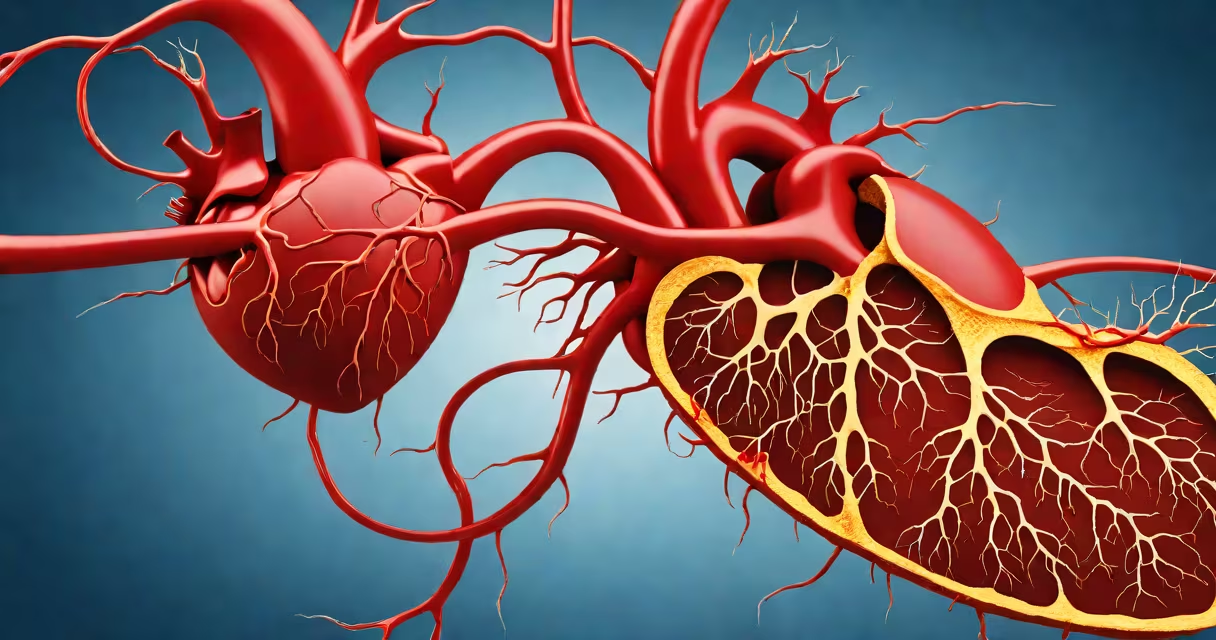
Diastolic pressure rises when the force exerted by blood against artery walls during heart relaxation increases, often due to narrowed arteries, fluid buildup, or increased cardiac workload. This condition signals early-stage hypertension and raises long-term cardiovascular risk.
Diastolic pressure measures the minimum pressure in the arteries between heartbeats. A reading above 80 mm Hg is classified as elevated. The American Heart Association defines normal diastolic pressure as below 80 mm Hg; values at or above 80 indicate stage 1 hypertension, even if systolic pressure remains within range.
Arteries stiffen with age or disease, reducing their ability to expand and absorb pressure. When elasticity drops, blood encounters greater resistance during ventricular relaxation. This forces the arterial walls to endure higher static pressure. For example, a 62-year-old man with a history of untreated high cholesterol had a diastolic reading of 92 mm Hg despite normal systolic levels, indicating isolated diastolic hypertension.
During diastole, the heart's ventricles relax and refill with blood. Arteries normally recoil to maintain steady flow. When they lose compliance-due to calcification, plaque buildup, or chronic inflammation-the walls resist expansion. Blood volume remains constant, but reduced vessel flexibility increases internal pressure.
Fluid retention exacerbates this effect. Excess sodium intake draws water into the bloodstream, increasing blood volume. More fluid means higher pressure against vessel walls. A 2021 study in Journal of the American Society of Hypertension found that participants consuming over 3,000 mg of sodium daily had a 40% higher incidence of rising diastolic pressure compared to those under 2,300 mg.
Cardiac output also plays a role. If the left ventricle contracts inefficiently, blood pools in the pulmonary system and returns to the left atrium slower. This delays ventricular filling, increasing pressure in the systemic circulation during relaxation. Conditions like heart failure with preserved ejection fraction (HFpEF) often present with elevated diastolic pressure due to impaired relaxation.
Several conditions drive diastolic pressure upward. The most common are obesity, sedentary behavior, chronic stress, and uncontrolled diabetes. These factors promote endothelial dysfunction-damage to the inner lining of blood vessels-reducing nitric oxide availability and impairing vasodilation.
| Contributing Factor | Impact on Diastolic Pressure | Example |
|---|---|---|
| Sodium overload | Increases plasma volume and vascular resistance | Consuming 5,000 mg Na/day correlates with 10 mm Hg rise in diastolic BP |
| Insulin resistance | Impairs nitric oxide release; promotes vasoconstriction | Patients with metabolic syndrome show 15% higher diastolic pressure |
| Chronic kidney disease | Reduces sodium excretion; elevates blood volume | Stage 3 CKD patients average 88 mm Hg diastolic pressure |
| Obstructive sleep apnea | Triggers sympathetic activation and intermittent hypoxia | Untreated OSA doubles risk of isolated diastolic hypertension |
Isolated diastolic hypertension-where only diastolic pressure is elevated-is common in younger adults. It often precedes sustained hypertension. A 2020 analysis in European Heart Journal showed that individuals aged 30-49 with diastolic pressure above 85 mm Hg were twice as likely to develop full hypertension within five years.
Many assume diastolic pressure reflects only heart rate or stress. That's incorrect. While anxiety can cause temporary spikes, persistent elevation stems from structural changes in the vascular system. A single high reading doesn't confirm hypertension-consistent measurements over time are required.
Another misconception is that diastolic pressure matters less than systolic. This is false. Elevated diastolic pressure independently increases stroke risk. The SPRINT trial demonstrated that targeting diastolic pressure below 75 mm Hg reduced major cardiovascular events by 28% in high-risk patients.
Some confuse diastolic pressure with pulse pressure-the difference between systolic and diastolic values. Pulse pressure indicates arterial stiffness and aging. A wide pulse pressure (e.g., 140/80 = 60 mm Hg) suggests advanced vascular damage. But diastolic pressure specifically measures resting arterial load.
In 2022, a 48-year-old woman presented with fatigue and headaches. Her initial reading was 130/90 mm Hg. Repeated measurements confirmed sustained diastolic pressure above 90 mm Hg. Further testing revealed insulin resistance and mild renal impairment. After six months of dietary sodium reduction, exercise, and metformin therapy, her diastolic pressure dropped to 82 mm Hg.
I observed this case while working in a primary care clinic. The patient had no symptoms of heart disease but was at high risk for stroke. Her treatment focused on reversing underlying contributors-fluid balance, insulin sensitivity, and vascular tone-not just medication.
Medications such as ACE inhibitors and calcium channel blockers reduce diastolic pressure by relaxing arterial smooth muscle. Spironolactone, a mineralocorticoid antagonist, lowers pressure by promoting sodium excretion. However, lifestyle modification remains the first-line intervention.
Diastolic pressure consistently above 80 mm Hg warrants evaluation. The U.S. Preventive Services Task Force recommends screening adults annually starting at age 40. Those with family history of early heart disease or diabetes should begin earlier.
If diastolic pressure exceeds 90 mm Hg, further assessment includes 24-hour ambulatory monitoring to rule out white-coat hypertension. An echocardiogram may reveal impaired ventricular relaxation. Urinalysis checks for proteinuria, a sign of kidney involvement.
Understanding the root causes of elevated diastolic pressure enables early intervention. Ignoring it increases risk for heart attack, stroke, and kidney failure. Addressing modifiable factors reduces long-term complications.