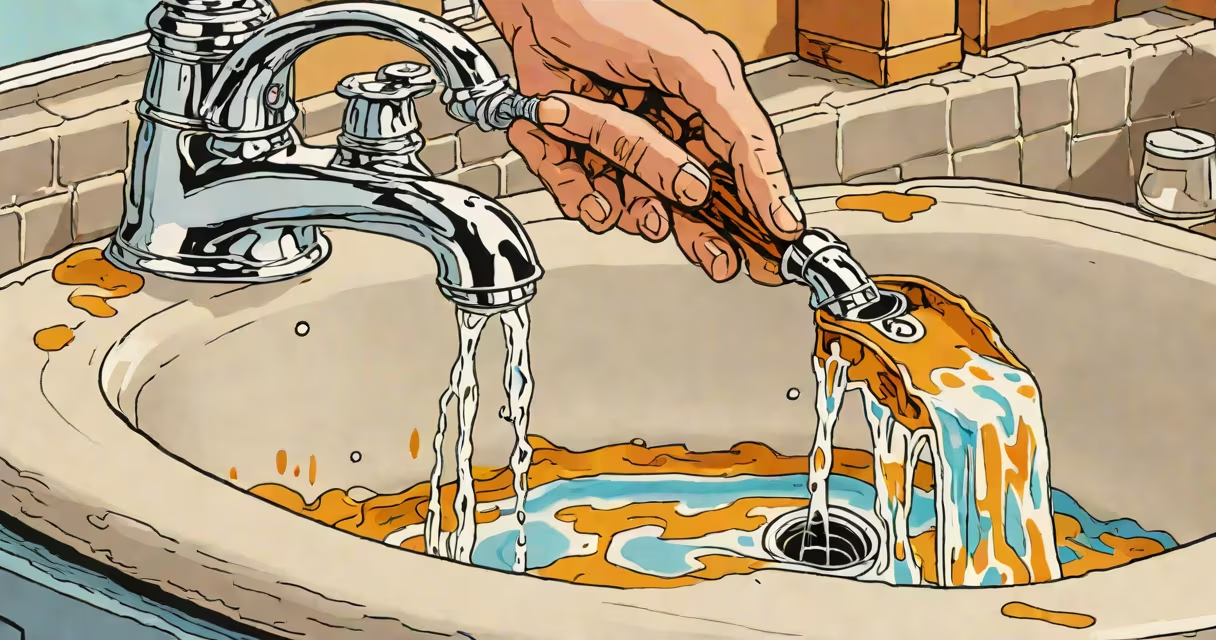
How to unclog a tub without a plunger uses household ingredients like baking soda and vinegar, boiling water, or a wire coat hanger to clear blockages in the drain. This method avoids chemical drain cleaners and relies on physical force or mild chemical reactions to dislodge debris.
Most bathtub clogs form from hair, soap scum, and skin particles accumulating in the P-trap-a U-shaped pipe under the drain. When water flows slowly or backs up, the trap is likely obstructed. A plunger creates pressure to push the blockage through, but if you don't have one, alternatives exist.
Plumbing professionals recommend starting with natural methods before resorting to harsh chemicals. The Environmental Protection Agency notes that many commercial drain cleaners contain corrosive substances that damage pipes and harm septic systems. Using safe, accessible materials reduces risk and environmental impact.
Baking soda and vinegar react chemically to produce carbon dioxide gas. When poured into a drain, the fizzing action helps break apart organic buildup like hair and soap residue. The reaction is exothermic, generating mild heat that softens grease and grime.
Boiling water dissolves grease and loosens fibrous material. Pouring 2-3 quarts of boiling water down the drain in stages prevents thermal shock to PVC pipes. For older metal pipes, allow the water to cool slightly to avoid warping.
A bent wire hanger acts as a mechanical tool to pull out hair and debris. Straighten a heavy-gauge hanger, bend one end into a small hook, and insert it into the drain. Rotate and pull to extract material caught near the trap. This method targets the root cause: trapped hair.
Each method varies in effectiveness based on the blockage's composition and location. Hair-heavy clogs respond well to wire tools. Grease or soap scum may require multiple rounds of vinegar and boiling water.
| Method | Best For | Time Required | Effectiveness Rating (1-5) |
|---|---|---|---|
| Baking soda + vinegar | Organic buildup, light clogs | 15-30 minutes | 3/5 |
| Boiling water | Grease, soap scum | 5-10 minutes | 2/5 |
| Wire hanger | Hair, solid debris | 10-20 minutes | 4/5 |
| Plumber's snake (manual) | Deep or stubborn clogs | 20-40 minutes | 5/5 |
For persistent clogs, a plumber's snake-also called a drain auger-is the most effective non-plunger solution. It's a coiled metal cable fed into the drain until it hits resistance. Rotating the handle pushes the coil through the pipe, breaking up or retrieving the obstruction.
According to the Plumbing-Heating-Cooling Contractors Association (PHCC), manual snakes are safe for both PVC and cast iron piping when used properly. They recommend using a 25-foot model for bathroom drains and avoiding excessive force to prevent scratching pipe interiors.
Many people assume that pouring bleach or drain cleaner down a slow drain will fix the issue. This is incorrect. Bleach reacts poorly with organic matter and can generate toxic fumes when mixed with other chemicals. The EPA warns against mixing household cleaners due to health risks.
Another mistake is using too much vinegar or baking soda. A half-cup of each is sufficient. Excess amounts can create foam that overflows or leave residue that attracts more debris. Always flush with hot water after the reaction.
Some believe that running hot water continuously will clear a clog. This fails because water flows around the blockage rather than pushing it through. The flow rate lacks the pressure needed to dislodge solids lodged in the trap.
Start with a wire hanger. Bend a 16-inch piece of heavy-gauge wire into a hook at one end. Insert it into the drain until you feel resistance. Rotate gently and pull out hair and gunk. Wipe the hook clean.
Next, pour ½ cup of baking soda directly into the drain. Follow with 1 cup of white vinegar. Cover the drain with a rag to contain the fizz. Let it sit for 15 minutes.
After the reaction subsides, pour 2 quarts of boiling water down the drain. Repeat if water still drains slowly. Test the flow by running water for 30 seconds. If it clears, the clog is gone.
I used this method on my master bathroom tub after noticing water pooling during showers. After pulling out a tangled mass of hair with the hanger, the vinegar-baking soda mix bubbled visibly. Boiling water flushed everything away. The drain cleared completely within 25 minutes.
If the drain remains sluggish after three attempts, the blockage may be deeper than the P-trap. A professional plumber can inspect the system with a camera or use a motorized drain snake to reach further.
Signs of a deeper issue include recurring clogs, gurgling sounds, or sewage odors. These indicate a problem in the main sewer line or vent stack-not just a blocked tub trap.
For ongoing maintenance, run boiling water down the drain weekly. Use a drain cover to catch hair before it enters the pipe. Clean the cover monthly to prevent buildup.
Understanding how to unclog a tub without a plunger improves home maintenance skills and reduces reliance on chemical products. The process combines simple science and basic tools to restore function safely.