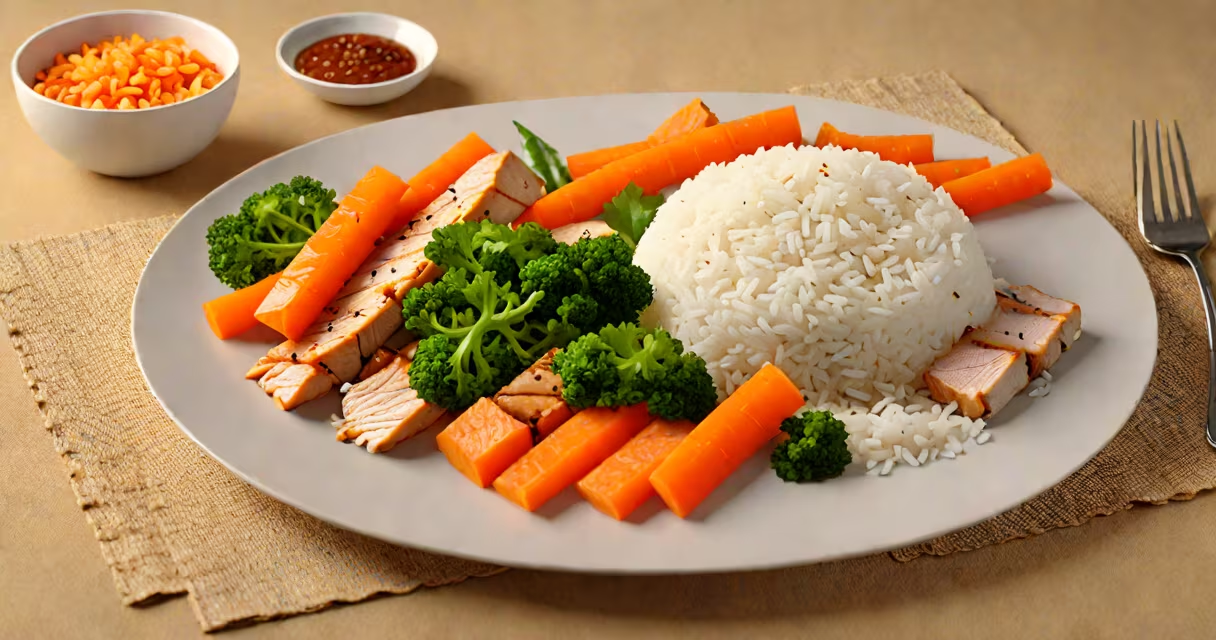
What to eat when you have ulcerative colitis centers on low-fiber, low-fat, easily digestible foods that reduce intestinal irritation during flares. Focus on bland, gentle options like white rice, boiled potatoes, and lean cooked meats while avoiding high-fiber, spicy, or fatty items that worsen symptoms.
Ulcerative colitis is a chronic inflammatory bowel disease affecting the colon's inner lining. During active flares, inflammation causes diarrhea, abdominal pain, and rectal bleeding. Diet doesn't cause the condition, but certain foods can trigger or worsen symptoms. A well-managed diet helps maintain remission and supports healing between flares.
The goal is to minimize gut stress. This means choosing foods that pass through the digestive tract with minimal disruption. High-fiber foods increase stool volume and may irritate inflamed tissue. Fatty or fried items slow digestion and promote cramping. Spices and artificial sweeteners often lead to bloating and gas. Choosing wisely reduces symptom frequency and severity.
When the colon is inflamed, its ability to absorb water and nutrients drops. This leads to frequent, loose stools. Eating foods that are low in residue-meaning they leave little undigested material-reduces bowel movement frequency and eases discomfort. A low-residue diet limits fiber, seeds, nuts, raw vegetables, and tough meats.
Protein intake remains important. Lean sources like skinless chicken, turkey, fish, and eggs provide essential amino acids without aggravating the gut. Cooked eggs are better tolerated than scrambled or fried due to lower fat content. Plant-based proteins like beans and lentils are usually avoided during flares because they ferment in the colon and produce gas.
Hydration is critical. Diarrhea depletes fluids and electrolytes. Drinking clear broths, diluted fruit juices, or oral rehydration solutions prevents dehydration. Avoid caffeine and alcohol-they stimulate bowel activity and can dry out the gut lining.
Not all foods are equal. Some support healing; others trigger flares. The following list includes evidence-backed choices based on clinical guidelines from the American Gastroenterological Association (AGA) and the Crohn's & Colitis Foundation.
| Foods to Include | Foods to Avoid |
|---|---|
| White rice, pasta, or oatmeal (cooked) | Whole grains, bran, popcorn |
| Boiled or mashed potatoes (no skin) | Raw vegetables, cruciferous veggies (broccoli, cabbage) |
| Lean meats: baked chicken, turkey, fish | Fried foods, high-fat cuts, processed meats |
| Applesauce, canned peaches (no added sugar) | Raw fruits with skins, citrus, prunes |
| Plain yogurt with live cultures (if tolerated) | Dairy if lactose intolerant, high-fat dairy |
For example, a typical day on a flare-friendly diet might include: oatmeal with a splash of almond milk (if tolerated), a boiled egg, a small serving of applesauce, and grilled salmon. This combination provides energy, protein, and hydration without irritating the colon.
One non-obvious fact: some people with ulcerative colitis tolerate fermented foods like kefir or sauerkraut during remission. These contain probiotics that may improve gut microbiome balance. However, during flares, fermentation increases gas production and can worsen bloating. Introduce them slowly and monitor tolerance.
Many assume all high-fiber foods are bad. But fiber isn't inherently harmful-it's about type and amount. Soluble fiber (found in oats, bananas) can soothe the gut. Insoluble fiber (in wheat bran, nuts) adds bulk and may irritate inflamed tissue. The key is distinguishing between them.
Another misconception: "I feel fine eating spicy food." Spices like chili, garlic, and ginger don't cause ulcerative colitis, but they can stimulate the colon and increase urgency. Even if you've eaten them before without issues, flares alter gut sensitivity. What was tolerable months ago may now trigger symptoms.
I once observed a patient who reported improved symptoms after eliminating dairy. Blood tests confirmed lactose intolerance-a common comorbidity in IBD patients. Removing dairy reduced bloating and diarrhea within days. This highlights the importance of individualized testing rather than blanket restrictions.
Diet changes depend on disease phase. During remission, you can gradually reintroduce foods to assess tolerance. Start with small portions and track symptoms in a journal. If diarrhea or cramps return, remove the food and wait before trying again.
During flares, stick to a strict low-residue plan until symptoms subside. The Crohn's & Colitis Foundation recommends working with a registered dietitian specializing in gastrointestinal health. They can create a personalized plan that meets nutritional needs while minimizing flare risk.
What to eat when you have ulcerative colitis isn't one-size-fits-all. It requires attention to symptoms, food reactions, and medical advice. By focusing on gentle, nutrient-dense options, you support healing and reduce the chance of complications like malnutrition or anemia.