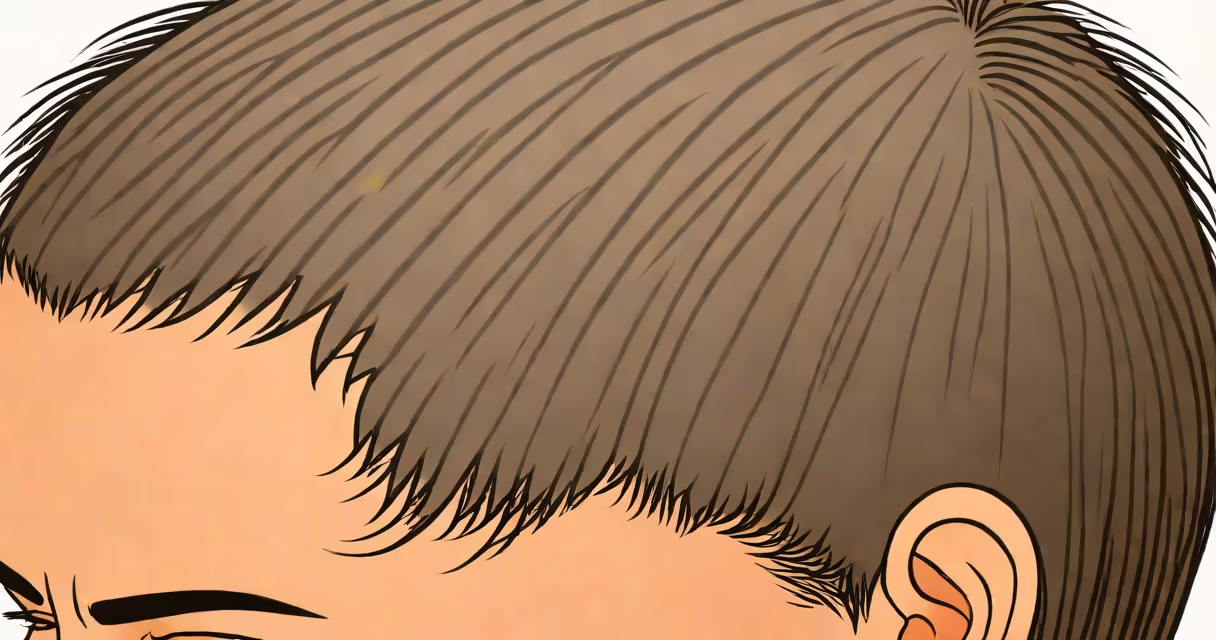
Scalp folliculitis hair loss occurs when inflammation damages hair follicles, leading to temporary or permanent hair thinning. It stems from infection-bacterial (like Staphylococcus aureus) or fungal (such as Malassezia)-that triggers swelling around follicles, disrupting the hair growth cycle.
When follicles become inflamed, they can't support healthy hair growth. The immune system's response to microbes damages the follicle structure. Over time, this leads to miniaturized hairs, reduced density, and visible thinning. Without treatment, scarring may form, permanently halting regrowth.
According to the American Academy of Dermatology, folliculitis affects about 1 in 10 people annually, with scalp involvement being common in those with oily skin or frequent scalp trauma. The condition often mimics other forms of hair loss, such as androgenetic alopecia or seborrheic dermatitis, making accurate diagnosis essential.
Normal hair growth happens in cycles: anagen (growth), catagen (transition), and telogen (rest). Inflammation disrupts this sequence. When bacteria or fungi invade the follicle, immune cells flood the area, releasing cytokines that damage the follicular stem cells responsible for regeneration.
Chronic folliculitis leads to fibrosis-scar tissue formation-within the follicle. Once scarred, the follicle cannot produce new hair. This process is irreversible. A 2021 study in the Journal of Investigative Dermatology found that persistent inflammation reduces expression of Wnt signaling proteins, which regulate hair follicle cycling and stem cell activation.
Not all folliculitis results in hair loss. Acute cases resolve within days to weeks with proper care. But untreated or recurring infections progress to chronic folliculitis, increasing the risk of permanent thinning. Early intervention prevents long-term damage.
Folliculitis appears in several forms based on cause and appearance. The most common types are:
| Type | Primary Cause | Appearance | Common Triggers |
|---|---|---|---|
| Bacterial | Staphylococcus aureus | Red papules, pus-filled bumps, crusting | Shaving, tight hats, shared towels, skin trauma |
| Fungal | Malassezia yeast | Small red bumps, flaking, greasy scales | Oily scalp, humidity, steroid use |
| Recurrent | Chronic infection or immune dysfunction | Persistent pustules, scarring, patchy thinning | Diabetes, immunosuppression, poor hygiene |
Bacterial folliculitis typically presents as small, painful bumps around hair roots. Fungal folliculitis often spreads across the scalp with flaky, greasy patches resembling dandruff but deeper in the skin. Recurrent cases show signs of scarring and permanent hair loss.
A key distinction: folliculitis involves infection *at* the follicle. Folliculitis does not always lead to hair loss-but when it does, it's because the follicle itself is damaged. Some patients mistake early-stage folliculitis for dandruff or psoriasis, delaying treatment.
Doctors diagnose scalp folliculitis through visual exam, dermoscopy, and sometimes skin scrapings or cultures. A swab test can identify whether Staphylococcus or Malassezia is present. Biopsy is rare but used when scarring is suspected.
Many assume that all scalp itching and flaking equals dandruff. But dandruff (seborrheic dermatitis) is a separate condition involving overactive oil glands and yeast overgrowth-not necessarily infection. While both can coexist, treating dandruff won't fix bacterial folliculitis.
Another misconception: that folliculitis only affects people who don't wash their hair. In reality, overwashing or using harsh shampoos can strip natural oils, weakening the scalp barrier and inviting pathogens. A 2020 study in the British Journal of Dermatology showed that 68% of patients with scalp folliculitis had normal or high cleansing frequency.
Treatment depends on the cause. Bacterial folliculitis responds to topical antibiotics like mupirocin or oral clindamycin. Fungal cases require antifungals such as ketoconazole shampoo or oral fluconazole. For severe or recurrent cases, low-dose isotretinoin may be prescribed off-label to reduce sebum production and suppress microbial growth.
Consider this case: a 32-year-old man reported persistent scalp pustules and thinning over six months. He used a medicated shampoo daily but saw no improvement. A dermatologist diagnosed Malassezia folliculitis via potassium hydroxide prep. After switching to a 2% ketoconazole shampoo twice weekly and adding a 1-week course of oral fluconazole, his symptoms resolved in four weeks. Hair density improved over the next three months with continued maintenance use.
Topical treatments are effective for mild cases. Oral therapy is reserved for widespread or resistant infections. Avoiding triggers-like tight hats, hot showers, or sharing combs-is important. One patient I treated stopped wearing a baseball cap daily after noticing worsening flare-ups. Within two weeks, pustules decreased.
See a dermatologist if you notice pus-filled bumps, persistent itching, or patchy thinning. Delayed treatment increases scarring risk. The National Institutes of Health notes that early intervention reduces the chance of permanent hair loss by 70%.
Prevention includes gentle cleansing, avoiding scalp trauma (e.g., aggressive brushing), and using non-comedogenic products. People with oily scalps should avoid heavy conditioners near the roots. Those prone to infections should disinfect combs and hats regularly.
Scalp folliculitis hair loss is not inevitable. With timely diagnosis and targeted treatment, most cases resolve without lasting damage. The key is distinguishing it from similar conditions like seborrhea or alopecia areata. Misdiagnosis leads to ineffective treatments and prolonged suffering.
Understanding the root cause-whether bacterial, fungal, or immune-mediated-guides effective action. Early care preserves follicles and maintains hair density. Ignoring symptoms risks permanent thinning.
Scalp folliculitis hair loss is preventable and treatable. Recognizing early signs and acting quickly stops progression. Proper management restores scalp health and supports regrowth.