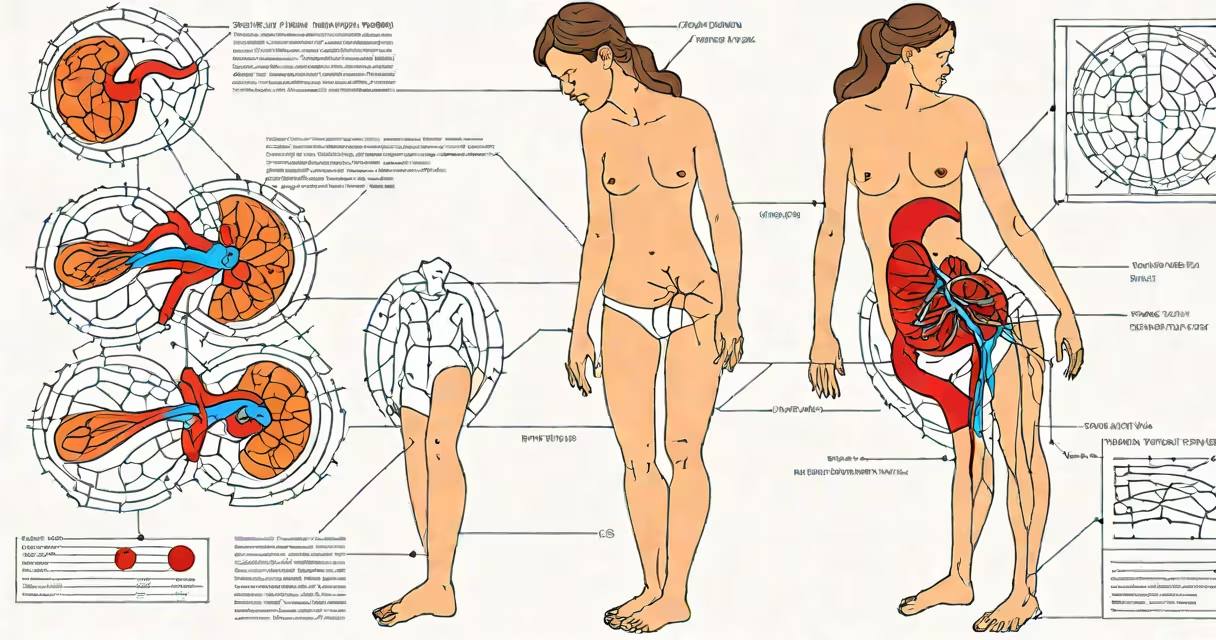
A urinary tract infection (UTI) that spreads to the kidneys is known as pyelonephritis. This condition occurs when bacteria travel from the bladder up the ureters to infect the kidneys, potentially causing serious complications if untreated.
Pyelonephritis affects approximately 1 in 10 people with a lower UTI. Left unaddressed, it can lead to permanent kidney damage, sepsis, or hospitalization. Early recognition of symptoms is critical to prevent progression.
The most common cause is Escherichia coli, which accounts for over 80% of UTI cases. Once it reaches the kidneys, it triggers inflammation, swelling, and reduced function. The immune system responds with systemic signs like fever and chills.
Bacteria enter the urinary tract through the urethra during urination. Most infections remain in the bladder, causing cystitis. However, if the body's defenses fail-due to poor hygiene, sexual activity, or underlying conditions like diabetes-bacteria can ascend into the upper urinary tract.
Once in the kidneys, bacteria multiply in the renal parenchyma, the tissue responsible for filtering blood. The immune response causes swelling, which compresses blood vessels and reduces oxygen delivery. This leads to tissue damage and impaired waste removal.
Women are at higher risk due to shorter urethras (about 4 cm vs. 16 cm in men), allowing easier access to the bladder. Recurrent UTIs increase the likelihood of kidney involvement. A 2021 study in Clinical Infectious Diseases found that 12% of women with recurrent UTIs developed pyelonephritis within five years.
While lower UTI symptoms include burning during urination, frequent urges, and cloudy urine, signs of kidney infection are more severe and systemic. They often appear suddenly and worsen rapidly.
Common indicators include:
Flank pain is typically constant and may worsen when lying down. It's often described as a dull, deep ache. One patient reported sharp pain radiating from the right side to the front abdomen during a physical exam, confirmed via ultrasound to show kidney swelling.
Many people mistake kidney infection symptoms for a worsening bladder infection. The key difference lies in systemic signs. A lower UTI rarely causes fever or significant pain beyond the pelvic area.
Use this comparison to assess severity:
| Symptom | Lower UTI (Bladder) | Upper UTI (Kidneys) |
|---|---|---|
| Fever | Uncommon | Present in 70% of cases |
| Flank pain | None | Common and localized |
| Nausea/vomiting | Rare | Occurs in 40% of patients |
| Urine appearance | Cloudy or bloody | Same, but often with stronger odor |
According to the American Urological Association, fever above 100.4°F (38°C) in a person with UTI symptoms increases the probability of pyelonephritis by 5-fold.
Any sign of systemic illness-fever, chills, vomiting-requires prompt evaluation. Delaying treatment raises the risk of sepsis, which has a mortality rate of 15-30% in elderly patients with kidney infections.
Emergency care is needed if you experience:
I once saw a patient who ignored persistent lower UTI symptoms for seven days. By the time he presented with a 103°F fever and left-side flank pain, his kidney showed signs of abscess formation on CT scan. He required IV antibiotics and a week-long hospital stay.
Doctors confirm kidney infection using urinalysis, blood tests, and imaging. A positive nitrite or leukocyte esterase test in urine, combined with elevated white blood cells in blood, suggests bacterial invasion.
Imaging such as ultrasound or CT scan detects swelling, fluid collections, or structural abnormalities. A 2020 review in JAMA Internal Medicine found that ultrasound detected kidney enlargement in 85% of pyelonephritis cases.
Treatment involves oral or intravenous antibiotics based on culture results. Common regimens include ciprofloxacin or trimethoprim-sulfamethoxazole. Hospitalization is recommended for severe cases, especially in older adults or those with comorbidities.
Factors increasing risk include pregnancy, catheter use, kidney stones, and immunosuppression. Women with recurrent UTIs should consider prophylactic antibiotics or vaginal estrogen therapy if postmenopausal.
Hydration plays a role-drinking six to eight cups of water daily reduces bacterial concentration in urine. Voiding after sex also lowers ascent risk.
One overlooked factor is constipation. A 2019 study in European Journal of Clinical Microbiology & Infectious Diseases linked chronic constipation to increased UTI recurrence, likely due to pressure on the bladder neck.
Signs that UTI spread to kidneys include fever, flank pain, nausea, and chills. These differ from typical bladder infection symptoms and require immediate medical attention. Ignoring them risks permanent kidney damage or life-threatening sepsis.
Recognizing these signs early prevents complications. Prompt treatment with antibiotics restores kidney function in most cases.