When experiencing severe diarrhea, prioritize clear fluids and low-fiber, low-fat, easily digestible foods to reduce bowel activity and prevent dehydration. The goal is to rest the gastrointestinal tract while maintaining electrolyte balance.
Severe diarrhea involves frequent loose or watery stools, often accompanied by cramping, nausea, or fever. It can result from infections, food intolerances, or medication side effects. During this phase, your digestive system is irritated and inflamed, making it difficult to process complex nutrients. Eating the wrong foods can prolong symptoms or worsen dehydration.
The core principle is to give your gut time to heal. This means avoiding high-fiber, fatty, spicy, or sugary foods until bowel movements normalize. Instead, focus on simple carbohydrates and liquids that replenish lost fluids and electrolytes.
The strategy behind eating during severe diarrhea centers on reducing intestinal stimulation and supporting fluid and electrolyte recovery. The gut lining becomes inflamed and leaky during infection or irritation, leading to rapid water loss into the stool. Replacing lost fluids prevents shock and fatigue.
Low-residue foods-those that leave little undigested material in the intestines-minimize bowel movement frequency. Examples include white rice, peeled potatoes, and plain toast. These foods pass through the digestive tract quickly with minimal residue, reducing strain on the gut.
Electrolyte imbalance is a major risk. Sodium, potassium, and chloride are lost in large quantities through diarrhea. Without replacement, symptoms like dizziness, muscle cramps, and confusion can develop. Oral rehydration solutions (ORS) contain precise ratios of sodium, glucose, and potassium to restore balance efficiently.
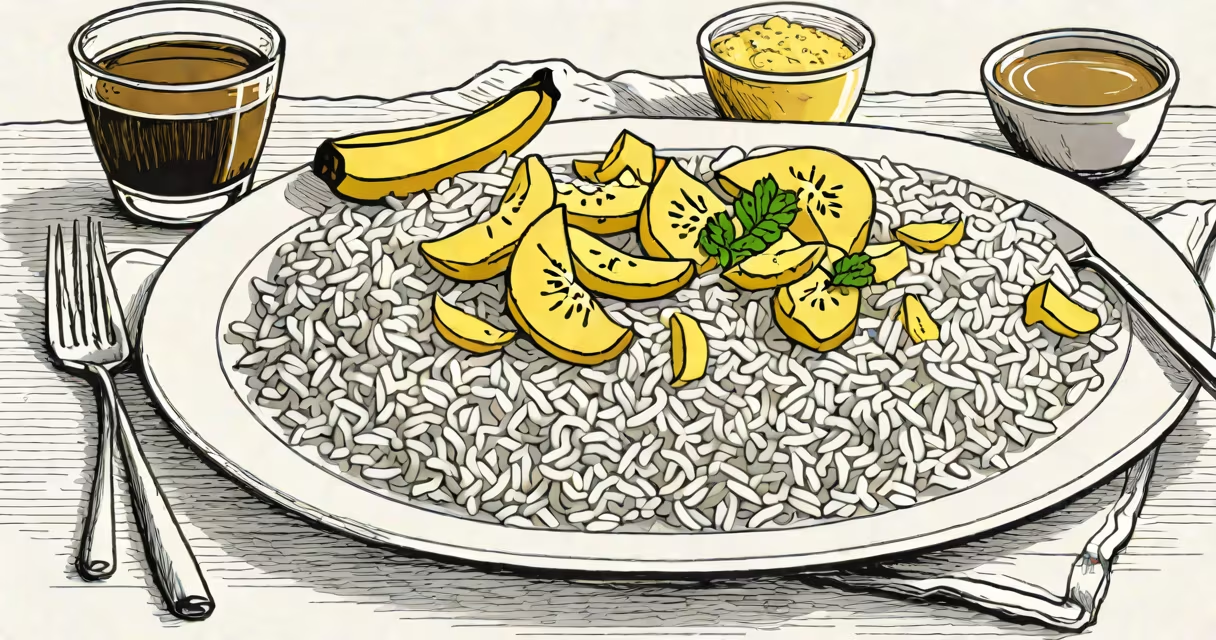
Stick to a modified version of the BRAT diet-bananas, rice, applesauce, and toast-but don't rely solely on it. These foods are low in fiber and mild in flavor, which reduces gut stimulation. Bananas provide potassium; white rice offers easily absorbed starch; applesauce contains pectin, a soluble fiber that firms stool.
Clear fluids are essential. Water, weak tea, broth, and ORS are ideal. Avoid caffeine, alcohol, and sugary drinks-they can draw water into the intestine and worsen diarrhea. A 2022 review in Clinical Infectious Diseases confirmed that ORS is more effective than plain water in preventing dehydration during acute infectious diarrhea.
| Foods to Eat | Foods to Avoid |
|---|---|
| White rice | Dairy (lactose) |
| Mashed potatoes (without butter) | Fried or greasy foods |
| Plain toast | High-fiber vegetables (e.g., broccoli, beans) |
| Bananas (ripe) | Sugary snacks and sodas |
| Applesauce (unsweetened) | Spicy or heavily seasoned dishes |
| Clear broth or ORS | Artificial sweeteners (e.g., sorbitol) |
One common mistake is reintroducing solid foods too soon. After 24 hours of symptom-free bowel movements, slowly reintroduce bland foods. Start with small portions and monitor tolerance. If symptoms return, stop and return to clear fluids.
Many people believe that fasting during diarrhea helps recovery. This is incorrect. Fasting deprives the gut of energy and slows mucosal repair. A 2021 study in Gut showed that early nutritional support improves recovery time in children with acute diarrhea compared to fasting.
Another myth is that yogurt with probiotics will cure diarrhea. While certain strains like Lactobacillus rhamnosus GG may shorten duration in some cases, they do not work universally. Probiotics are not a substitute for hydration or dietary management. They should be used alongside, not instead of, proper nutrition.
A lesser-known fact: some people develop temporary lactose intolerance after a bout of gastroenteritis. The small intestine's lactase enzyme is damaged during inflammation. Even if dairy was tolerated before, consuming milk during recovery can trigger bloating and worsen diarrhea. This condition typically resolves within weeks but requires avoidance during active illness.
Consider a 34-year-old who developed severe diarrhea after eating undercooked chicken. Over 48 hours, they experienced six loose stools daily, abdominal cramps, and mild dizziness. They began treatment with oral rehydration solution (containing 75 mmol/L sodium, 75 mmol/L glucose) and ate only white rice and boiled bananas.
After 24 hours, stool frequency dropped to two per day. By day three, they added plain toast and clear chicken broth. On day four, they resumed normal meals gradually, avoiding spicy or fatty foods. Full recovery occurred by day seven with no recurrence.
This case aligns with guidelines from the World Health Organization, which recommends continuing feeding during diarrhea rather than withholding food, especially in adults.
Seek care if diarrhea lasts longer than 48 hours without improvement, includes blood or pus in stool, causes high fever (>38.5°C), or leads to signs of dehydration such as dry mouth, sunken eyes, or reduced urine output. These indicate possible bacterial infection, inflammatory bowel disease, or other serious conditions.
Recovery from severe diarrhea hinges on consistent hydration and strategic food choices. Stick to clear fluids and bland, low-residue foods until symptoms subside. Gradual reintroduction of regular meals ensures the gut heals without further stress.