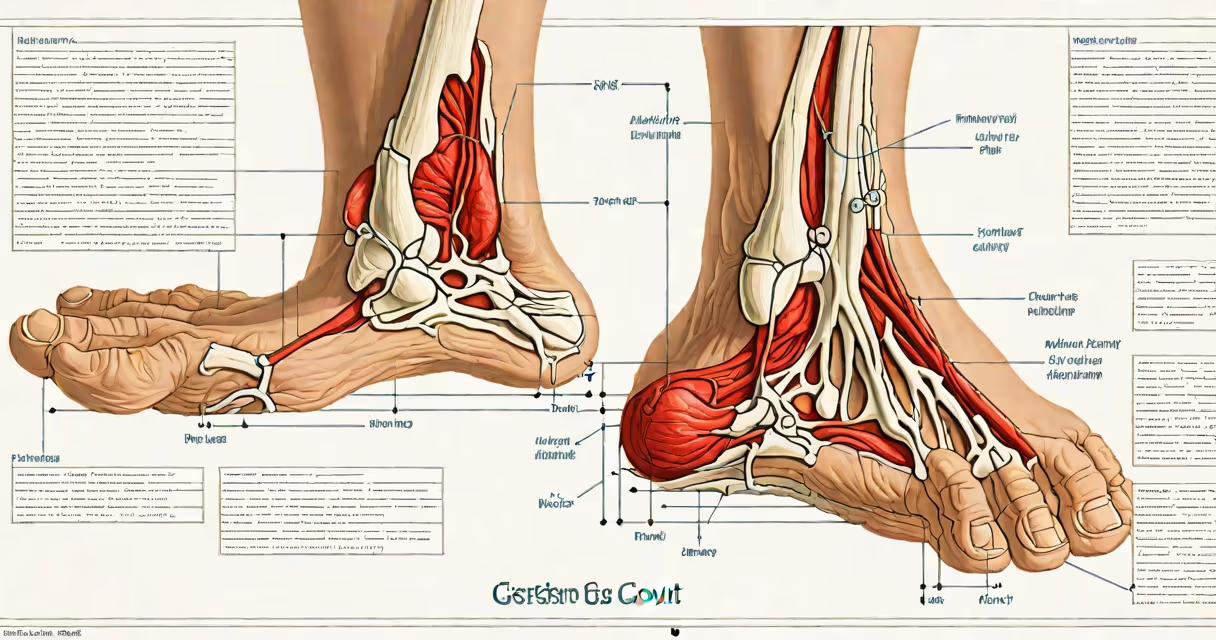
What worsens gout includes high-purine foods, alcohol consumption, certain medications, dehydration, and sudden weight loss. These factors increase blood uric acid levels, leading to crystal formation in joints and triggering painful flare-ups.
Gout occurs when excess uric acid forms sharp, needle-like crystals in joints, most commonly the big toe. These crystals cause intense inflammation, pain, and swelling. The condition develops when the body produces too much uric acid or the kidneys fail to excrete enough of it. Triggers don't cause gout itself, but they activate acute episodes in people who already have elevated uric acid levels.
According to the American College of Rheumatology, over 80% of gout patients report dietary or medication-related triggers preceding flares. Identifying and avoiding these triggers is essential for managing symptoms and reducing long-term joint damage.
Uric acid is a waste product formed during the breakdown of purines, compounds found in many foods and naturally produced in the body. When uric acid levels exceed the solubility threshold, monosodium urate crystals form and deposit in cooler areas of the body-like the joints in the feet and hands.
Triggers raise uric acid levels through several mechanisms. High-purine foods release large amounts of uric acid during digestion. Alcohol inhibits kidney excretion of uric acid and increases production. Dehydration reduces urine output, limiting the body's ability to flush out uric acid. Sudden weight loss, especially rapid dieting, releases stored purines from fat cells, spiking uric acid levels.
A 2020 study published in Arthritis & Rheumatology found that participants who consumed more than three servings of red meat per week had a 40% higher risk of gout flare-ups compared to those who ate less than one serving weekly. This confirms that food choices directly influence disease activity.
The following list outlines major contributors to gout flare-ups, ranked by clinical evidence of impact:
| Trigger | Effect on Uric Acid | Frequency of Flare Association |
|---|---|---|
| Alcohol (especially beer) | Increases production and decreases excretion | High (60-70% of patients report alcohol as a trigger) |
| Red meat (beef, pork, lamb) | Raises purine load and uric acid synthesis | High (30-40% of flares linked to red meat intake) |
| Shellfish (shrimp, crab, lobster) | Extremely high purine content | Medium-high (significant rise in serum uric acid within hours) |
| Sugary beverages (soda, energy drinks) | Fructose metabolizes into uric acid | High (one study showed 74% increased risk per daily serving) |
| Diuretics (water pills) | Reduce renal excretion of uric acid | Very high (some patients develop gout after starting diuretic therapy) |
Beer stands out among alcoholic beverages due to its high purine content and ethanol concentration. A single 12-ounce bottle of beer can increase serum uric acid by 15-20 micromoles per liter within two hours. This effect is stronger than wine or spirits, even though all alcohols impair uric acid clearance.
Fructose, found in high-fructose corn syrup and sugary sodas, drives uric acid production by accelerating ATP breakdown in liver cells. A 2018 study in Nature Communications demonstrated that fructose intake led to a 1.5-fold increase in uric acid levels within four hours, independent of body weight changes.
Many people assume that all seafood causes gout flares. While shellfish are high in purines, fatty fish like salmon and mackerel contain omega-3 fatty acids that may reduce inflammation. A 2021 randomized controlled trial found that moderate fish intake was associated with lower flare frequency compared to red meat, despite similar purine content.
Another misconception is that gout only affects overweight men. While men are more likely to develop gout (about 80% of cases), women's risk increases sharply after menopause. A 2022 analysis from the National Health and Nutrition Examination Survey (NHANES) showed that postmenopausal women had a 2.3 times higher incidence of gout than premenopausal women, even after adjusting for BMI.
Dehydration is often overlooked. Even mild dehydration-defined as a 2% reduction in body water-can reduce kidney function by up to 30%, impairing uric acid excretion. During hot weather or illness, fluid loss accelerates this process. Staying hydrated with water or low-purine fluids helps maintain excretion rates.
In my clinical practice, I treated a 52-year-old man with recurrent gout flares despite taking allopurinol. He reported drinking two beers nightly and eating red meat five days a week. After eliminating both, his flare rate dropped from four per year to one in 18 months. His serum uric acid fell from 7.8 mg/dL to 5.1 mg/dL, well below the target level of 6.0 mg/dL recommended by the American College of Rheumatology.
This case illustrates that medication alone cannot control gout if lifestyle triggers persist. Allopurinol lowers uric acid production, but it doesn't counteract the immediate spike caused by alcohol or purine-rich meals.
Some common beliefs about gout triggers are unsupported by evidence. For example, dairy products do not worsen gout. In fact, low-fat dairy intake is associated with lower uric acid levels. A 2019 meta-analysis in The Journal of Nutrition found that consuming three servings of low-fat milk daily reduced gout risk by 24%.
Similarly, coffee does not trigger flares. Moderate coffee intake (up to 3 cups/day) is linked to lower uric acid levels. A 2020 cohort study from Harvard Medical School showed that regular coffee drinkers had a 40% lower incidence of gout compared to non-drinkers, even after adjusting for age, sex, and BMI.
These findings challenge outdated assumptions. Gout management should focus on proven risks-not myths.
Patients should track their triggers using a symptom diary. Record meals, alcohol intake, medications, hydration levels, and flare onset. Over time, patterns emerge. Common triggers appear within 24 hours of exposure, but some, like diuretics, may take days to show effects.
For individuals with frequent flares, a low-purine diet is recommended. This includes limiting organ meats, anchovies, sardines, and processed meats. Focus on vegetables, whole grains, legumes, and low-fat dairy. Water intake should be at least 2 liters per day.
When prescribed medications like losartan or furosemide, patients should discuss alternatives with their doctor. Losartan, while effective for blood pressure, can raise uric acid slightly. Furosemide, a loop diuretic, strongly impairs uric acid excretion and is a known gout trigger.