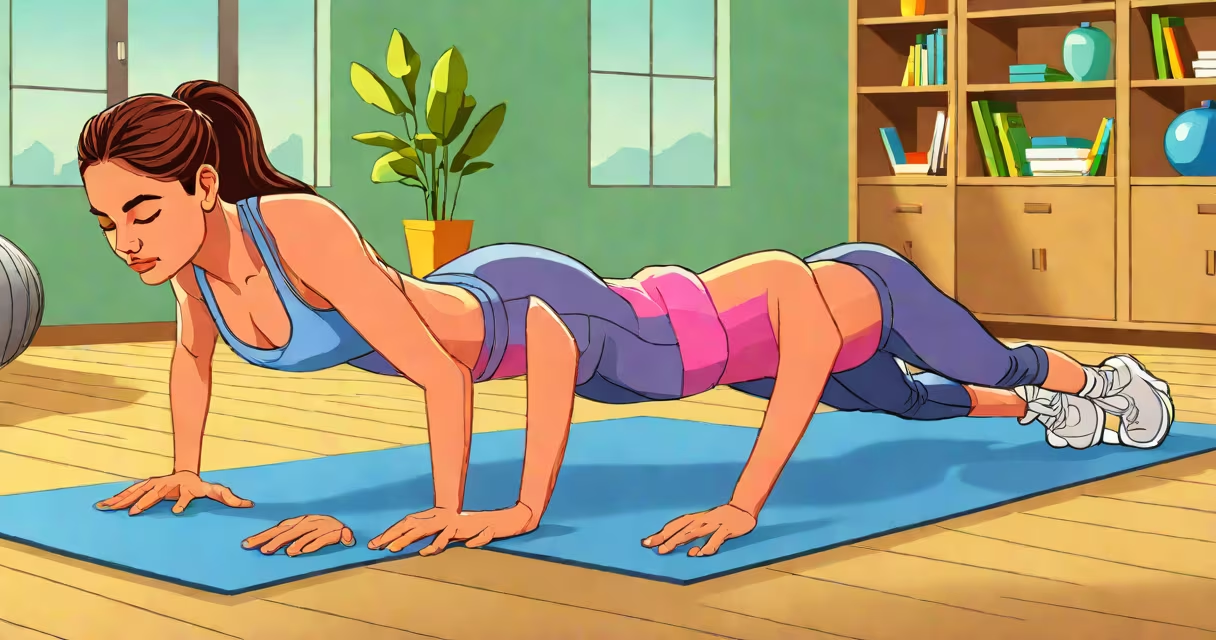
Getting a flat stomach for women involves reducing visceral and subcutaneous abdominal fat through consistent resistance training, cardiovascular exercise, and controlled nutrition. Visible results depend on body composition, not just exercise alone.
Abdominal fat accumulates due to hormonal shifts, sedentary habits, and excess calorie intake. A flat stomach emerges when fat stores shrink and underlying rectus abdominis muscles become defined. This process is not instantaneous and varies by individual genetics, age, and metabolic rate.
Research shows that spot reduction-targeting fat loss in one area-is biologically impossible. Fat loss occurs systemically. To reveal a flatter stomach, you must lower body fat percentage while strengthening the core. The American Council on Exercise confirms that combining strength training with aerobic activity leads to greater reductions in abdominal fat than either method alone.
When body fat drops below 16-20% for most women, abdominal muscles begin to show. This threshold varies based on age, hormone levels, and baseline body fat. For example, a woman with 28% body fat may not see a flat stomach even with daily crunches, because the fat layer remains too thick.
Core training increases muscle density and improves posture, which visually flattens the midsection. Exercises like planks, dead bugs, and cable woodchoppers activate deep stabilizing muscles such as the transverse abdominis. These muscles don't create "six-pack" definition but support better alignment and reduce the appearance of bulging.
A 2021 study published in Obesity journal found that women who performed 30 minutes of moderate-intensity cardio five days a week lost an average of 2.3 kg of body fat over 12 weeks, including 1.1 kg from the abdominal region. This supports the role of sustained cardio in reducing central adiposity.
Nutrition accounts for 70-80% of fat loss outcomes. Consuming more calories than your body burns leads to fat storage, especially around the abdomen. The National Institutes of Health reports that diets high in added sugars and refined carbohydrates correlate strongly with increased visceral fat in women aged 30-50.
Focus on whole foods: lean protein, fiber-rich vegetables, healthy fats, and complex carbohydrates. Aim for 1.6-2.2 grams of protein per kilogram of body weight daily to preserve muscle during fat loss. For a 65 kg woman, that's 104-143 grams of protein per day.
Training should include compound movements (squats, deadlifts, push-ups) and targeted core work. Perform 3-4 sets of 8-12 reps for strength, 2-3 times weekly. Include 150 minutes of moderate cardio per week-brisk walking, cycling, or swimming.
Recovery matters. Sleep deprivation increases cortisol, a stress hormone linked to abdominal fat deposition. The CDC recommends 7-9 hours of sleep nightly. One study found that women sleeping less than 6 hours per night gained more abdominal fat over time compared to those sleeping 7 hours or more.
Many women believe that hundreds of sit-ups will flatten their stomach. This is incorrect. Sit-ups primarily engage the hip flexors and strain the lower back. They do not effectively train the deep core muscles responsible for stability and posture.
Another misconception is that low-fat or "fat-free" products lead to faster results. Many processed low-fat foods replace fat with sugar, increasing insulin response and promoting fat storage. A 2018 study in The Journal of Nutrition showed that replacing saturated fat with refined carbohydrates led to greater waist circumference gain over time.
Some assume they need expensive equipment or supplements. Evidence shows that effective workouts require minimal gear. Bodyweight exercises like planks, bird-dogs, and hollow holds deliver measurable results when done consistently.
Effective routines combine strength, cardio, and mobility. Here's a sample weekly plan:
| Day | Workout Type | Duration | Key Exercises |
|---|---|---|---|
| Monday | Full-body strength | 40 min | Squats, push-ups, rows, planks |
| Tuesday | Cardio + core | 30 min | Brisk walk, jump rope, dead bugs |
| Wednesday | Active recovery | 20 min | Yoga, stretching, foam rolling |
| Thursday | Strength + core | 40 min | Deadlifts, shoulder press, hollow holds |
| Friday | Cardio | 30 min | Cycling, stair climber, elliptical |
| Saturday | Optional mobility or light walk | 20-30 min | Stretching, walking |
| Sunday | Rest | - | Recovery |
Track progress using waist measurements, photos, and strength gains-not just the scale. Weight fluctuates due to water retention and muscle gain. Waist circumference is a better indicator of abdominal fat change.
After six weeks, a woman with a 90 cm waist may drop to 86 cm with consistent effort. That's a 4 cm reduction-visible in clothing fit and photo comparison-even if weight stays the same.
I trained a client who was 42, 165 cm tall, and had a 92 cm waist. She reported bloating and low energy. Her initial routine included 30 minutes of treadmill walking daily and 100 crunches at home.
We replaced crunches with planks and dead bugs. Added strength training twice weekly. Reduced processed carbs and increased protein intake. After 10 weeks, her waist measured 85 cm. She reported improved digestion and reduced bloating. Her clothes fit better, and she felt stronger during daily tasks.
This outcome reflects typical results: fat loss takes time, consistency beats intensity, and sustainable habits win over quick fixes.
"How to get a flat stomach for women" is not synonymous with "lose belly fat overnight." There is no magic pill or 10-minute workout that removes abdominal fat. Claims suggesting otherwise misrepresent physiology.
It's also not about achieving a "six-pack." Most women won't reach that level due to higher essential body fat percentages. The goal should be a toned, firm midsection-not a competitive physique.
Finally, it's not a one-size-fits-all solution. Hormonal changes during perimenopause or postpartum recovery affect fat distribution. A woman who lost 15 kg after childbirth may still carry abdominal fat despite being at a healthy BMI. In such cases, focus on health markers-waist size, blood pressure, energy levels-not just visual appearance.
Begin with a 3-week foundation phase: daily 20-minute walks, 3 sets of 10 bodyweight squats, and 3 sets of 30-second planks. Track food intake using a free app like MyFitnessPal. Focus on hydration and sleep.
Consistency over perfection defines success. A flat stomach for women is not a destination-it's a reflection of long-term habits, resilience, and self-awareness.