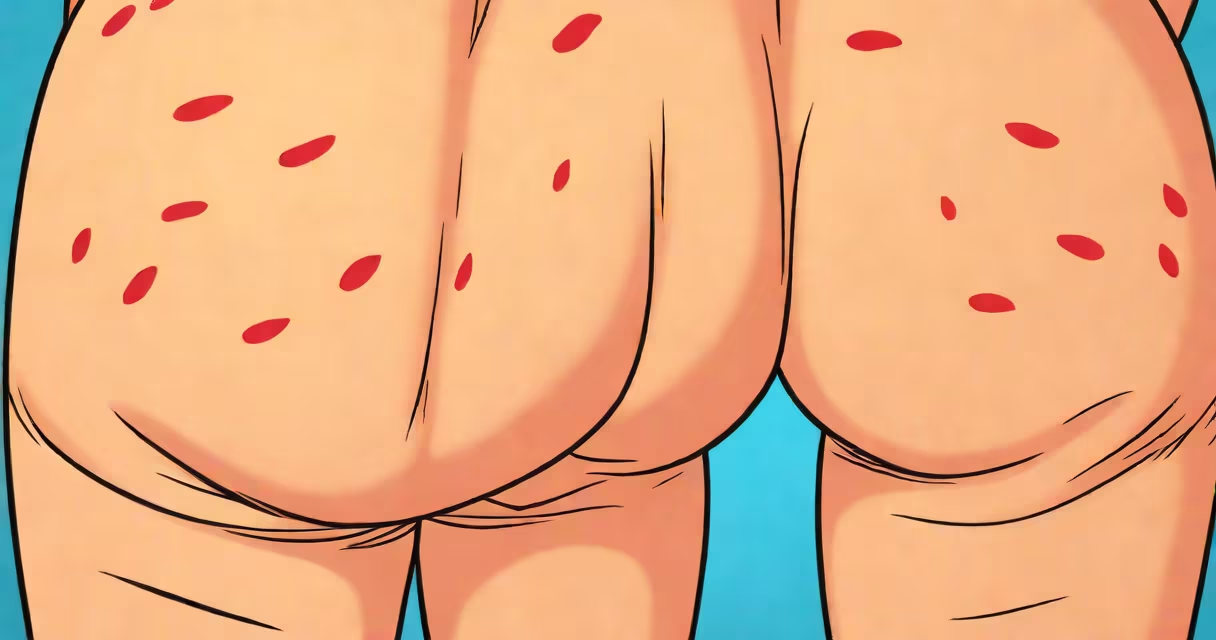
Itchy bum, clinically known as pruritus ani, is persistent itching around the anus due to irritation, infection, or underlying skin conditions. It affects about 1 in 10 adults at some point, often worsening at night or after bowel movements.
Pruritus ani is not a disease but a symptom. The sensation arises when nerve endings in the sensitive perianal skin are stimulated by moisture, irritants, or inflammation. Common triggers include poor hygiene, excessive wiping, sweat, certain foods, and fungal or bacterial infections. The condition rarely resolves on its own without targeted care.
Dermatologists classify it as a chronic issue if symptoms last longer than six weeks. It's not contagious, but misdiagnosis is common-many assume it's hemorrhoids or a sexually transmitted infection. Accurate identification is essential for effective treatment.
The skin around the anus is thin, highly vascularized, and rich in sensory nerves. This makes it especially reactive to stimuli. When exposed to irritants-like soaps, toilet paper residue, or fecal matter-the immune system may trigger inflammation, releasing histamine and other chemicals that cause itching.
Scratching activates the itch-scratch cycle: each scratch damages the skin further, increasing nerve sensitivity and leading to more itching. Over time, this can result in thickened, discolored skin (lichenification), which worsens the problem. A 2021 study in the Journal of the American Academy of Dermatology found that 68% of patients with chronic pruritus ani had altered skin barrier function.
Even mild moisture from sweating or residual stool after defecation can disrupt the skin's pH balance. The normal pH is around 5.5, but exposure to alkaline substances (like soap or urine) raises it, promoting bacterial growth and irritation.
Pruritus ani falls into two categories: primary (idiopathic) and secondary (due to an underlying condition).
| Type | Prevalence | Key Triggers | Diagnostic Clue |
|---|---|---|---|
| Primary (idiopathic) | ~70% | Excessive wiping, moisture, stress, dietary irritants | No visible rash or lesions; symptoms improve with hygiene changes |
| Secondary | ~30% | Fungal infection (e.g., Candida), psoriasis, eczema, pinworms, hemorrhoids | Visible signs: redness, scaling, bleeding, or worms in stool |
One underappreciated cause is diet. Spicy foods, caffeine, alcohol, citrus fruits, and high-fiber foods can increase rectal secretion and alter stool consistency, leading to irritation. A 2019 study in Alimentary Pharmacology & Therapeutics showed that eliminating these from the diet reduced symptoms in 57% of participants within two weeks.
Another overlooked factor is constipation. Straining during bowel movements increases pressure and friction, damaging the delicate mucosa. This is especially common in people using laxatives improperly or those with irritable bowel syndrome.
Start with gentle hygiene. Wash the area with lukewarm water and a soft cloth after each bowel movement. Avoid wipes containing alcohol, fragrance, or preservatives-these are major irritants. Pat dry thoroughly; moisture is a key contributor.
Apply a barrier cream such as zinc oxide ointment (e.g., Desitin) to protect the skin. Use only mild, unscented soap, and avoid scrubbing. Limit bathing to once daily, and never soak in hot water.
If symptoms persist beyond 10 days, see a healthcare provider. A physical exam can rule out infections or structural issues. For suspected fungal infections, a prescription antifungal cream like clotrimazole 1% applied twice daily for two weeks is effective. A 2020 Cochrane review confirmed that topical antifungals reduce itching in 74% of cases compared to placebo.
For persistent cases, a short course of low-potency steroid cream (e.g., hydrocortisone 1%) may be prescribed-but only for short-term use. Long-term steroid use thins the skin and increases risk of infection.
Many people mistake pruritus ani for hemorrhoids. Hemorrhoids cause pain, swelling, and sometimes bleeding, but not typically intense itching. Itching without blood or pain suggests a different issue.
Using scented toilet paper or douching is a frequent error. These introduce fragrances and chemicals that disrupt the skin's natural microbiome. A 2022 study in Dermatitis found that 43% of patients who switched to unscented, dye-free toilet paper saw symptom improvement within five days.
Another myth: "It's just embarrassment." While shame delays care, pruritus ani is medically treatable. Delaying treatment leads to chronic inflammation and skin damage. The American Academy of Dermatology states that early intervention prevents long-term complications.
A 42-year-old office worker reported nightly itching for four weeks. He used scented wipes, wore synthetic underwear, and consumed coffee and spicy meals daily. After switching to water-only cleaning, cotton underwear, and reducing caffeine, his symptoms improved by 70% in seven days. A follow-up visit confirmed no infection, and he was advised to continue lifestyle changes.
This case illustrates that most cases stem from modifiable habits-not disease. The patient avoided unnecessary medication and resolved the issue through behavioral adjustment.
See a doctor if itching lasts more than two weeks despite hygiene changes, or if you notice blood, discharge, lumps, or pain. These may indicate fissures, abscesses, or even rare conditions like anal cancer.
Children with itchy bum often have pinworms. A positive diagnosis requires a tape test. Treatment with albendazole is effective and safe in pediatric doses.
For older adults, diabetes-related neuropathy can mimic pruritus ani. Blood glucose testing is recommended if other symptoms exist.
I once treated a patient whose symptoms worsened after switching to a "natural" soap marketed for sensitive skin. The product contained essential oils-known skin sensitizers. Removing it and switching to plain water and a moisturizer resolved the issue in 48 hours. This reinforced that "natural" doesn't mean safe for all skin types.
For itchy bum, start with gentle cleansing using water and a soft cloth. Avoid irritants like scented products, tight clothing, and spicy foods. Apply a protective barrier cream. If symptoms don't improve in 10 days, consult a healthcare provider to rule out infection or underlying conditions. Most cases resolve with simple, consistent care.