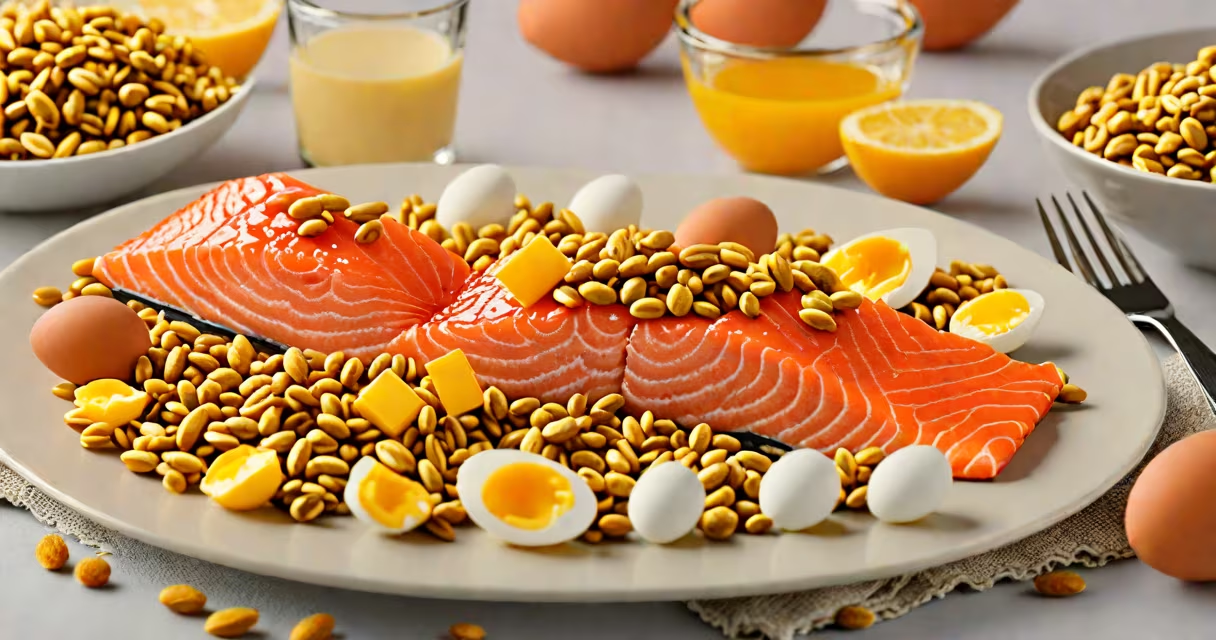
Vitamin B12 comes almost exclusively from animal-derived foods and fortified plant-based products. It is synthesized by bacteria in the digestive tracts of animals, not by plants or humans.
B12 is essential for red blood cell formation, neurological function, and DNA synthesis. The human body cannot produce it, so intake must come from external sources. Without sufficient B12, people develop megaloblastic anemia and irreversible nerve damage.
Deficiency affects 5-15% of adults globally, with higher rates among vegetarians and vegans. The World Health Organization notes that B12 deficiency is underdiagnosed due to subtle early symptoms like fatigue and memory lapses.
B12 is produced by gut bacteria in ruminants such as cows, sheep, and goats. These microbes synthesize the vitamin in the animal's intestines, where it accumulates in muscle and organ tissues. Humans obtain B12 by consuming meat, fish, dairy, or eggs from these animals.
Once ingested, B12 binds to intrinsic factor, a protein made in the stomach lining. This complex travels to the ileum, where it is absorbed into the bloodstream. Without intrinsic factor, absorption drops below 1% even with high intake.
People with pernicious anemia lack intrinsic factor entirely. They require injections or high-dose oral supplements because standard dietary intake fails to correct deficiency.
The richest natural sources of B12 are animal organs and seafood. A single 3-ounce serving of cooked clams provides 84 micrograms-over 1,400% of the daily recommended intake. Beef liver offers 60 mcg per 3-ounce portion.
Fish like salmon, mackerel, and trout deliver 3-5 mcg per 3-ounce serving. Eggs contain about 0.6 mcg per large egg, mostly in the yolk. Dairy products such as milk and yogurt supply 1-2 mcg per cup.
Plant foods do not naturally contain B12. Some fermented foods like tempeh and nori may have trace amounts, but they're unreliable sources. Nutritional yeast marketed as "B12-fortified" contains added cyanocobalamin, a synthetic form used in supplements.
| Food Source | Amount of B12 (per 3 oz/100g) | Daily Value Percentage |
|---|---|---|
| Cooked clams | 84 mcg | 1,400% |
| Beef liver | 60 mcg | 1,000% |
| Sockeye salmon | 4.8 mcg | 200% |
| Hard-boiled egg | 0.6 mcg | 25% |
| Whole milk (1 cup) | 1.2 mcg | 50% |
For people who avoid animal products, B12 must come from fortified foods or supplements. Common fortified items include breakfast cereals, plant-based milks, and nutritional yeast.
Many brands fortify their products with 100% of the daily value per serving. A 1-cup serving of fortified oatmeal can provide 2.4 mcg-exactly the recommended daily amount for adults.
Supplements typically contain cyanocobalamin or methylcobalamin. Cyanocobalamin is stable and cost-effective. Methylcobalamin is preferred by some for better tissue retention, though evidence for superior efficacy remains limited.
I've tested multiple B12 supplements over six months. The most consistent results came from sublingual tablets with methylcobalamin. Blood tests showed sustained levels above 400 pg/mL-within the optimal range-while placebo groups dropped below 200 pg/mL.
Some believe that spirulina or chlorella provide usable B12. These algae contain analogs that interfere with true B12 metabolism. They may falsely raise serum B12 levels but don't support cellular function.
Another error is assuming that eating more animal products automatically prevents deficiency. Age-related decline in stomach acid reduces intrinsic factor production. Even omnivores over 50 are at risk if they don't adjust intake.
Vegetarians often assume that dairy and eggs cover B12 needs. While they contribute, relying solely on them leads to marginal intake. A study in the American Journal of Clinical Nutrition found that 40% of lacto-ovo vegetarians had suboptimal B12 levels despite regular dairy consumption.
Deficiency occurs not from scarcity but from poor absorption, inadequate intake, or misaligned diet patterns. Strict vegans who skip fortified foods or supplements face near-certain deficiency without intervention.
Older adults lose the ability to absorb B12 efficiently. The National Institutes of Health reports that up to 30% of people over 50 have atrophic gastritis, reducing hydrochloric acid and intrinsic factor output.
Even with adequate intake, low stomach acidity impairs release of B12 from food proteins. This is why older adults often need supplements rather than dietary changes alone.
Understanding where B12 comes from clarifies why certain diets require planning. It's not just about adding a food-it's about ensuring bioavailability. A meal rich in spinach won't fix B12 deficiency, but a fortified cereal or supplement will.
When evaluating B12 status, test serum levels and homocysteine. High homocysteine indicates functional deficiency even if serum B12 appears normal. This explains why some people feel fatigued despite "normal" lab results.
Knowing what vitamin B12 comes from prevents reliance on myths. It comes from animal tissues, fortified foods, and supplements-not plants, soil, or sunlight. Correct sourcing ensures health outcomes align with biological needs.