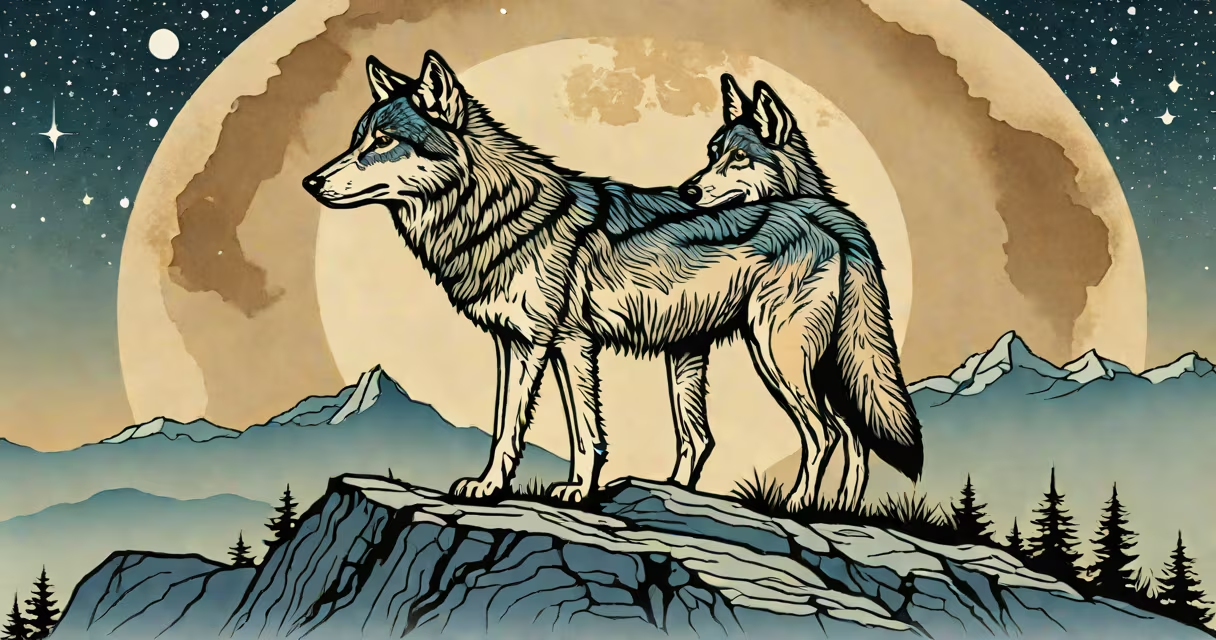
Your animal totem is a symbolic representation of personal qualities, life challenges, and inner wisdom derived from indigenous traditions and modern spiritual practice. It is not a random animal picked from a list, but a figure that emerges through introspection, dreams, or meaningful encounters. The concept originates in many Native American and First Nations belief systems, where animals are seen as guides and teachers.
Animal totems are not assigned by external authority. They arise from personal resonance-when a particular animal appears repeatedly in dreams, visions, or daily life. For example, someone who keeps seeing ravens during a period of grief may interpret the raven as their totem due to its association with transformation and insight in many Indigenous cultures. The totem reflects internal states, not external labels.
Modern interpretations often blend ancient symbolism with Jungian psychology. Carl Jung wrote that archetypes-universal symbols-appear in dreams and myths to help individuals understand unconscious patterns. An animal totem functions similarly: it embodies aspects of the self that need attention or integration. The bear, for instance, represents strength and introspection; the deer, gentleness and awareness. These meanings are not universal truths but culturally informed interpretations that gain power through personal relevance.
People discover their animal totem through direct experience, dream analysis, or ritual. Some use guided meditations where they visualize walking through a forest and meeting an animal that feels familiar. Others pay attention to recurring animals in nature-seeing a hawk during a time of decision-making, for example. These moments are not coincidences in the spiritual structure; they are signs.
A common method involves journaling about encounters. One person reported seeing a red fox twice in one week-once near their home, then again while driving. After researching fox symbolism (cleverness, adaptability, protection), they began to notice how they were going through a job change with similar traits. The fox became their totem not because it was "supposed" to be, but because it mirrored their current psychological state.
Some traditions use ceremonies involving fire, drumming, or fasting to invite a vision. The Lakota people, for example, practice the Vision Quest-a solitary retreat lasting several days where participants seek guidance from the spirit world. A vision of an animal during such a quest is considered a useful sign of spiritual direction. These practices are not performance rituals; they are acts of deep listening.
While meanings vary across cultures, certain animals appear frequently in totemic systems. Below are five widely recognized totems and their traditional associations:
| Animal | Traditional Meaning | Modern Interpretation |
|---|---|---|
| Bear | Strength, healing, introspection | Inner resilience; facing emotional pain with courage |
| Hawk | Perspective, clarity, vision | Seeing the big picture; making decisions from a higher vantage point |
| Owl | Wisdom, mystery, intuition | Trusting inner knowing; understanding hidden truths |
| Wolf | Community, loyalty, instinct | Recognizing group dynamics; following inner guidance in relationships |
| Deer | Gentleness, sensitivity, awareness | Being present; responding to situations with care rather than force |
These associations are not rigid. A person who identifies with the wolf may not value pack loyalty but instead focus on independence and survival instincts. The meaning grows from lived experience, not textbook definitions.
Your animal totem is not a personality test result. It is not determined by your zodiac sign, birth month, or blood type. While some websites offer "quick totem quizzes," those are entertainment tools, not authentic spiritual practices. A real totem emerges through sustained attention, not algorithmic calculation.
Another error is assuming the totem must be rare or exotic. A hummingbird, for example, is often associated with joy and lightness-but so is the sparrow. The bird's significance lies in how it shows up in your life, not its rarity. I once met a woman whose totem was a housefly. She saw it buzzing around her kitchen during a time of intense anxiety. Over weeks, she began to see it as a symbol of persistence and adaptation-small, overlooked, yet always present. That's the core of totem work: meaning arises from context, not hierarchy.
Also, a totem is not a permanent identity. It can shift over time. Someone who identified with the eagle during a phase of ambition may later find the otter-symbolizing playfulness and adaptability-more relevant during a period of burnout. The totem changes as you do.
Understanding your animal totem can provide clarity during transitions. When I was deciding whether to leave a stable job for freelance work, I kept seeing crows. Researching their role in Celtic and Norse myth revealed them as messengers between worlds-symbols of change and transformation. This reinforced my sense that the move wasn't reckless, but a necessary step. The crow didn't tell me what to do, but it helped me trust my own process.
Studies in psychology support the idea that symbolic thinking enhances emotional regulation. According to the American Psychological Association, metaphors and imagery help people process complex feelings. Using an animal totem as a metaphor allows individuals to explore emotions indirectly, reducing resistance and increasing insight.
When you engage with your animal totem seriously-not as a trend or aesthetic choice-you begin to notice patterns. You may start to act with more patience when the deer is your guide, or take bolder steps when the lion appears in your dreams. The totem becomes a mirror, not a label.
Knowing what your animal totem is begins with observation, not research. It's not about finding the "right" animal, but recognizing the one that speaks to you. The process is deeply personal. As anthropologist Mircea Eliade noted in The Sacred and the Profane, sacred symbols emerge from lived experience, not intellectual assignment. Your animal totem is not something you choose-it chooses you, through quiet moments, persistent images, and inner shifts.
For deeper insight into how animals influence human behavior and culture, explore how animal science informs our understanding of animal behavior and human-animal connections.