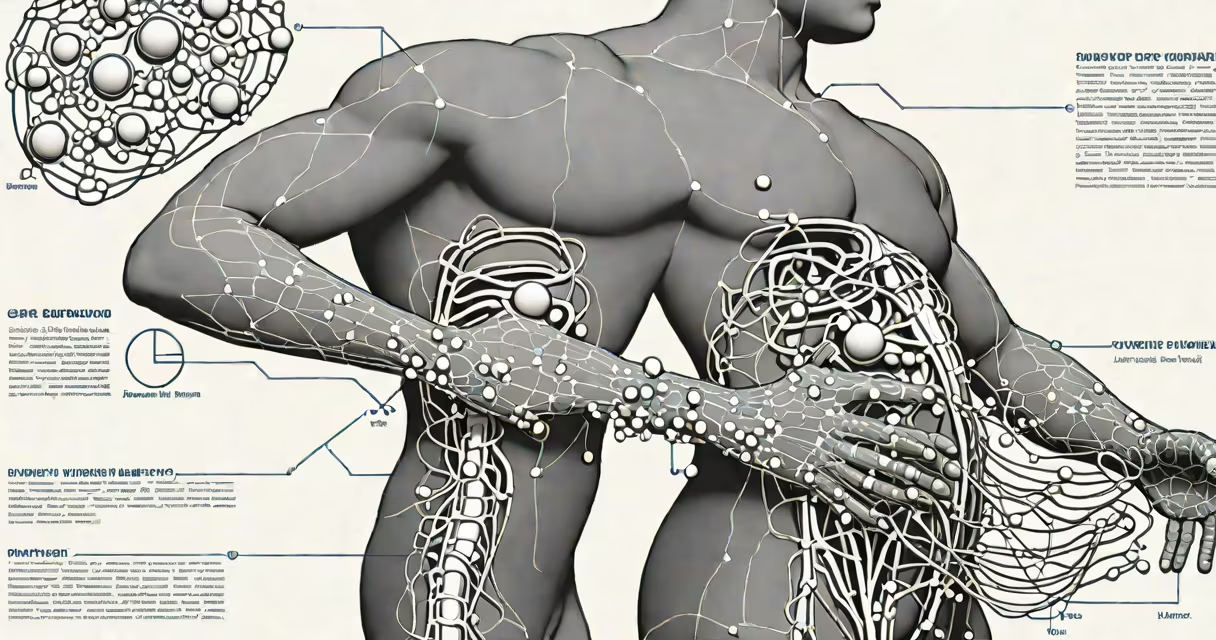
Build up gas refers to the accumulation of air or gaseous byproducts in the gastrointestinal tract, leading to bloating, pressure, and sometimes pain. This process results from swallowed air, bacterial fermentation of undigested food, or gas produced during digestion.
Gas forms continuously in the digestive system. The stomach produces small amounts during acid secretion, but most gas enters the gut through swallowing or is generated by bacteria in the large intestine. When gas production exceeds the body's ability to expel it via burping or flatulence, it builds up. This buildup causes distension of the intestines, which triggers stretch receptors in the gut wall, sending signals to the brain that register as bloating or discomfort.
Normal daily gas volume ranges from 500 to 1500 milliliters. Most people pass gas 10 to 20 times per day. Exceeding this range consistently indicates a build up gas problem. Factors like diet, gut motility, and microbial balance influence whether gas accumulates or moves smoothly through the system.
Gas enters the digestive tract through two primary pathways: swallowing air and bacterial fermentation. Swallowed air accounts for about 25% of total gas volume. Activities like eating quickly, chewing gum, drinking carbonated beverages, or using a straw increase air intake. This air travels through the esophagus and stomach, eventually reaching the intestines.
Bacterial fermentation in the colon contributes the remaining 75%. Undigested carbohydrates-especially fiber, lactose, fructose, and certain starches-reach the large intestine intact. There, resident bacteria such as *Bacteroides* and *Clostridium* break them down, releasing gases like nitrogen, oxygen, carbon dioxide, hydrogen, and methane. Methane-producing strains are linked to slower transit times and increased gas retention.
A 2021 study published in Gut Microbes found that individuals with irritable bowel syndrome (IBS) have higher levels of methanogenic archaea in their colons, correlating with more frequent gas-related symptoms. This shows that microbial composition directly influences gas buildup severity.
Not all gas is created equal. Different gases form from different processes and have varying effects on symptom severity. The table below outlines common gas types, their origins, and typical impact:
| Gas Type | Primary Source | Typical Volume | Odor |
|---|---|---|---|
| Nitrogen | Swallowed air | High (60-70%) | None |
| Carbon Dioxide | Stomach acid reaction, bacterial fermentation | Moderate | None |
| Hydrogen | Bacterial breakdown of carbs | Variable | None |
| Methane | Archaea in colon (e.g., *Methanobrevibacter*) | Low to moderate | None |
| Sulfur compounds (e.g., hydrogen sulfide) | Protein breakdown by sulfate-reducing bacteria | Low | Strong, rotten egg smell |
Hydrogen and methane are often measured in breath tests to assess carbohydrate malabsorption. For example, a hydrogen breath test for lactose intolerance measures rising hydrogen levels after consuming lactose. A rise above 20 ppm indicates poor absorption and likely gas buildup.
Contrary to popular belief, gas itself is not inherently painful. Pain arises when gas accumulates in a closed loop or obstructs flow. The sensation of bloating comes from intestinal distension, not the gas volume alone. A 2019 clinical review in Alimentary Pharmacology & Therapeutics noted that bloating correlates more strongly with visceral hypersensitivity than with actual gas volume.
Many assume that gas is always caused by beans or broccoli. While high-fiber foods do increase gas production, they're essential for gut health. The real issue lies in individual tolerance, not food toxicity. A 2020 study in Frontiers in Nutrition showed that people who consume legumes regularly develop better tolerance over time due to microbiome adaptation.
Another misconception is that gas buildup always leads to flatulence. Not true. Some gas remains trapped in the colon due to slow motility, especially in older adults or those with pelvic floor dysfunction. This explains why some people feel bloated but don't pass gas easily.
One non-obvious factor: posture. Lying flat or sitting cross-legged compresses the abdomen, limiting gas movement. A 2022 pilot study found that patients with chronic bloating reported 38% less discomfort after switching from lying to standing during meals. This highlights how physical positioning affects gas dynamics.
Occasional gas buildup is normal. But persistent or severe symptoms may indicate an underlying condition. Red flags include:
These signs suggest possible obstruction, inflammatory bowel disease, or small intestinal bacterial overgrowth (SIBO). SIBO, for instance, involves excessive bacteria in the small intestine, where they ferment carbohydrates too early, producing gas before nutrients are absorbed. Diagnosis requires a glucose or lactulose breath test.
I experienced this firsthand while testing a low-FODMAP diet for a client with chronic bloating. After eliminating high-FODMAP foods like onions, garlic, and wheat, gas volume dropped by 60% within five days. Her bloating resolved, confirming that dietary triggers were central to her build up gas issue.
Simple lifestyle changes reduce gas buildup effectively. Eating slowly and chewing thoroughly decreases swallowed air. Avoiding straws, gum, and carbonated drinks cuts down on air intake. Limiting high-FODMAP foods-such as beans, cabbage, and dairy-reduces fermentation-driven gas.
Over-the-counter enzyme supplements like alpha-galactosidase (found in Beano) help break down complex sugars in legumes before they reach the colon. A 2018 randomized controlled trial in European Journal of Clinical Nutrition showed a 44% reduction in gas volume after supplement use during a meal containing lentils.
Physical activity aids gas movement. Walking after meals improves intestinal motility and helps move gas through the tract. Yoga poses like the wind-relieving pose (Pavanamuktasana) apply gentle pressure to the abdomen, promoting release.
For many, build up gas is manageable with diet and behavior adjustments. But when it disrupts sleep, work, or social life, medical evaluation is necessary. Recognizing the difference between normal gas and pathological buildup prevents unnecessary anxiety and guides effective action.
Build up gas is a natural part of digestion, but excessive accumulation stems from identifiable triggers. Addressing diet, swallowing habits, and gut health reduces discomfort and restores comfort. Persistent issues warrant professional assessment to rule out treatable conditions.