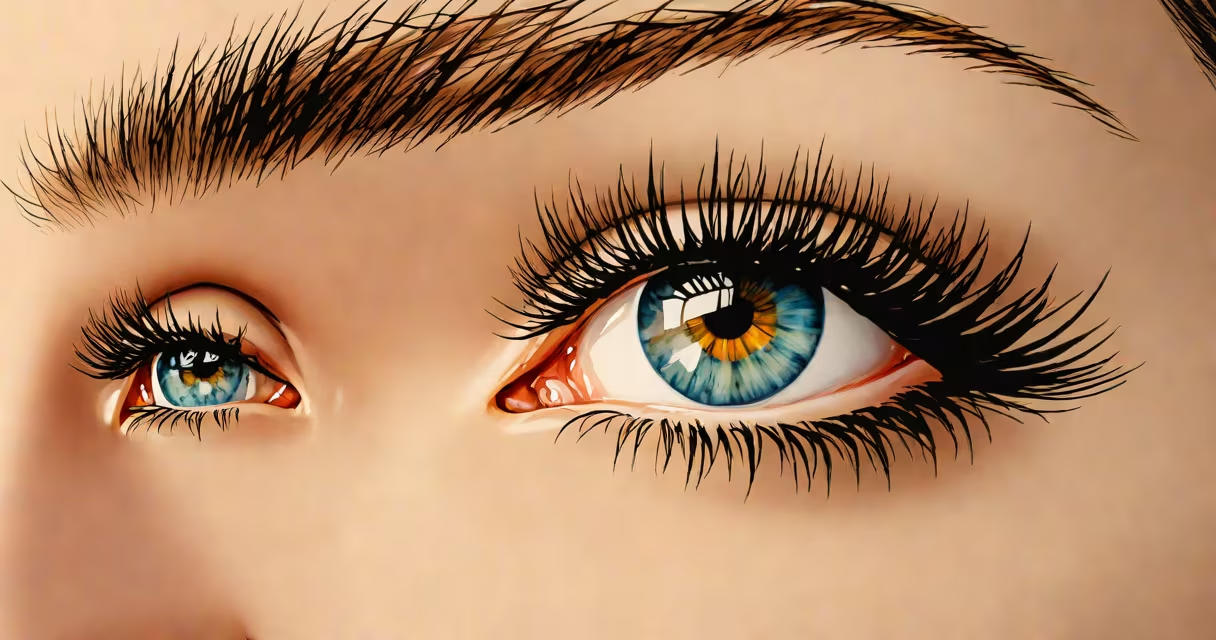
Eye lashes fall as part of the natural hair growth cycle, with most people losing 1 to 5 lashes per day. This shedding is normal and typically goes unnoticed unless noticed in the mirror or on a pillow.
Lash follicles go through three phases: anagen (growth), catagen (transition), and telogen (resting/shedding). The telogen phase lasts about 30 days, after which the lash detaches and is replaced. This process happens continuously across the 100 to 150 lashes on each upper lid.
Shedding occurs in cycles, not all at once. A single lash may remain in place for 30 to 45 days before falling out. When multiple lashes fall within a short period, it's often due to external triggers such as irritation, hormonal shifts, or improper eye care practices.
The lash growth cycle operates independently of other body hair. Unlike scalp hair, which grows for months, lashes grow for only 30 to 45 days before entering the resting phase. After about 30 days in telogen, the lash detaches and is replaced by a new one.
Each lash follicle follows this timeline, but they don't all sync. Some lashes are in growth, others in rest. This staggered timing prevents complete loss at once and maintains visual coverage.
When a lash falls, it usually detaches at the base. You may notice it caught on a pillow, stuck to your eyelid, or floating in your eye. The root is often visible as a tiny white bulb at the base of the lash.
Not all lash loss is the same. Normal shedding differs from abnormal loss caused by medical or environmental factors.
| Type | Frequency | Common Causes | Red Flags |
|---|---|---|---|
| Normal shedding | 1-5 lashes/day | Natural cycle, aging, minor stress | No thinning, no redness |
| Excessive shedding | More than 10 lashes/day | Dry eyes, blepharitis, thyroid issues | Visible thinning, crusting, itching |
| Localized loss | Spot patches | Styes, trauma, infections | Pain, swelling, pus |
Excessive lash loss is often linked to dry eyes. The American Academy of Ophthalmology notes that chronic dryness leads to inflammation around the lash follicles, disrupting the growth cycle. When the glands around the eyelid (meibomian glands) fail to secrete enough oil, the lash roots become irritated and shed prematurely.
A 2021 study published in Cornea found that 67% of patients with moderate to severe dry eye reported increased lash shedding. Many were unaware that their symptoms were connected until diagnosed.
People often confuse normal lash shedding with conditions like alopecia areata or trichotillomania. Alopecia areata causes patchy hair loss, including lashes, but it presents with sudden bald spots, not gradual thinning. Trichotillomania involves compulsive pulling, which leaves broken hairs and visible damage.
Another common error is blaming mascara or eyelash extensions. While these products can contribute to fallout, they rarely cause systemic loss. A 2019 review in JAMA Dermatology found that 82% of extension-related lash loss occurred during removal, not wear.
One overlooked factor: sleeping with makeup on. Residue from waterproof mascara builds up at the lash line, clogging follicles and weakening lashes. Over time, this leads to premature shedding. I once saw a patient lose nearly 30 lashes in two weeks after using a new waterproof formula-after switching to a gentle remover, shedding returned to normal within 10 days.
If you notice more than 10 lashes falling daily for over two weeks, or if the loss is accompanied by redness, pain, or crusting, consult an ophthalmologist. These signs suggest blepharitis, a condition affecting the eyelid margins.
Blepharitis causes inflammation of the meibomian glands, leading to dry eyes and increased lash loss. Treatment includes warm compresses, lid scrubs, and sometimes prescription drops. Left untreated, it can lead to chronic discomfort and permanent follicle damage.
For persistent issues, consider testing for thyroid disorders. Hypothyroidism reduces metabolic activity, slowing hair growth and increasing shedding. Blood tests for TSH and free T4 levels can confirm this. A 2020 study in Endocrine Connections showed that 14% of women with unexplained lash loss had subclinical hypothyroidism.
Washing your face twice daily with a mild cleanser removes debris and excess oil. Avoid rubbing your eyes-this transfers bacteria and stresses follicles. Use oil-free makeup removers to prevent buildup.
Warm compresses applied for 5 minutes twice daily improve meibomian gland function. A 2022 clinical trial found that consistent use reduced lash loss by 40% in participants with dry eye syndrome.
Do not pull or pluck lashes. Even one tug can disrupt the follicle's cycle. If you're considering extensions, choose a licensed technician and avoid glue-based methods. Glue residue can inflame the lash line and cause long-term damage.
Eye lashes fall as part of a natural process. When shedding exceeds normal limits, it often signals treatable conditions like dry eyes or blepharitis. Recognizing the difference helps prevent unnecessary worry and supports early intervention.