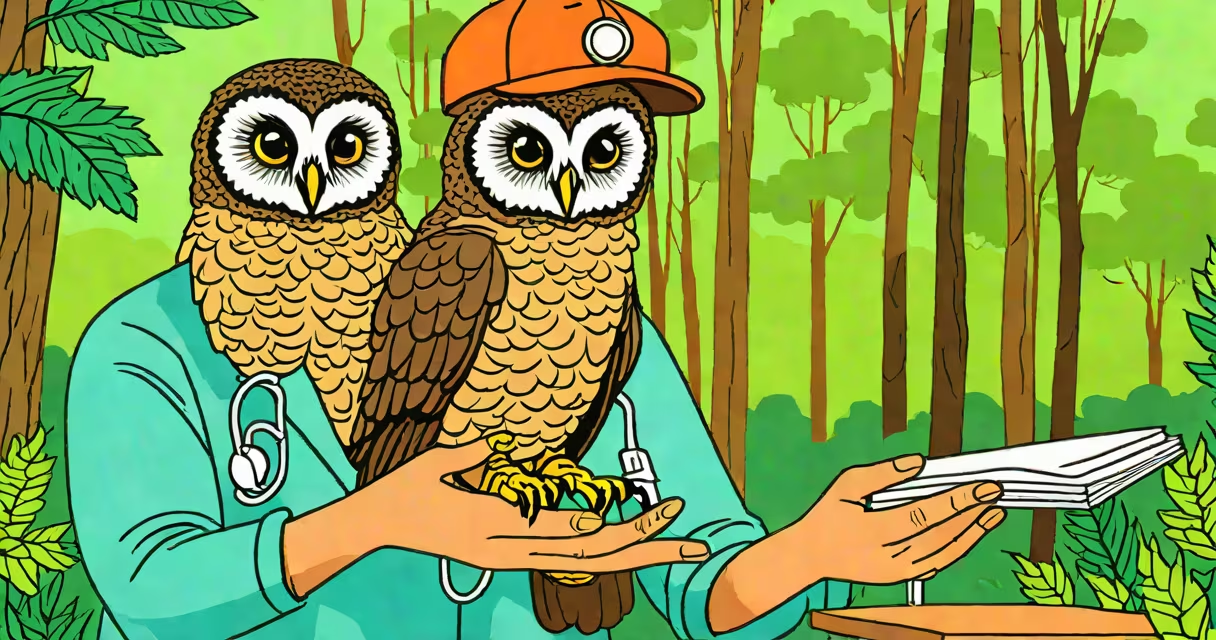
A wildlife rehabilitator is a licensed individual trained to care for injured, sick, or orphaned wild animals with the goal of returning them to their natural environment. They follow strict state and federal guidelines, using species-specific knowledge and medical protocols to ensure animals meet release criteria before being returned to the wild.
Rehabilitators work under permits issued by state wildlife agencies and often collaborate with licensed veterinarians. Their role is not to keep animals as pets or for public display, but to provide temporary, medically appropriate care until the animal can survive independently in the wild. This includes feeding, administering medication, providing shelter, and monitoring recovery progress.
According to the National Wildlife Rehabilitators Association (NWRA), over 80% of rehabilitated animals successfully return to the wild when released under proper conditions. The process requires detailed documentation, regular health assessments, and adherence to species-specific behavioral standards to avoid imprinting or habituation to humans.
When a wild animal is brought in-whether found under a porch, hit by a car, or abandoned by its mother-the first step is triage. A rehabilitator assesses the animal's condition, checks for injuries, dehydration, or signs of illness, and stabilizes it before beginning long-term care. This phase may involve fluid therapy, wound cleaning, or temperature regulation.
Next, the rehabilitator develops a care plan based on the species, age, and injury. For example, a baby raccoon with a broken leg requires splinting and cage rest, while a fledgling robin with a wing fracture needs physical therapy and flight training. Each species has distinct dietary needs-raptors eat whole prey, songbirds require insects, and mammals may need specialized milk formulas.
Once the animal heals, it undergoes a behavioral and physical readiness assessment. It must demonstrate natural instincts: hunting, flying, hiding from predators, and avoiding human contact. Only when these behaviors are confirmed does the rehabilitator proceed with release. The location is chosen based on habitat suitability, season, and historical presence of the species.
Rehabilitators fall into two categories: volunteer caregivers and professional staff. Volunteers typically work through nonprofit organizations and receive training through state-approved programs. Professionals may hold degrees in wildlife biology, veterinary technology, or animal science and work in dedicated centers.
| Type | Training Requirements | Common Work Setting | Release Success Rate (estimated) |
|---|---|---|---|
| Volunteer | State-certified course, mentorship, ongoing education | Local wildlife centers, private homes (under permit) | 65-75% |
| Professional | Bachelor's degree in biology or related field, clinical experience | Regional rehab centers, zoos, research facilities | 80-90% |
Some rehabilitators specialize in certain species. For example, a bat specialist must understand echolocation patterns and roosting behavior, while a sea turtle handler must know how to treat cold-stunning and ocean currents. These specializations reduce stress on animals and improve survival outcomes.
Wildlife rehabilitators operate across all 50 U.S. states and territories. They respond to emergencies such as wildfires, oil spills, and urban development encroachment. During California's 2020 wildfire season, over 1,200 animals were admitted to rehab centers, including bobcats, coyotes, and birds of prey.
Urbanization increases human-wildlife conflicts. A study published in Conservation Biology found that 34% of small mammal admissions to rehab centers originated from residential areas due to construction, landscaping, or pet encounters. Rehabilitators help mitigate these impacts by restoring animals to ecosystems where they play important roles-such as seed dispersal by squirrels or pest control by owls.
One non-obvious fact: many rehabilitators do not handle large carnivores. Bears, mountain lions, and wolves are rarely taken in by individuals due to safety risks and legal restrictions. Instead, state wildlife departments manage these cases. Rehabilitators focus on smaller, more manageable species like foxes, rabbits, and songbirds.
People often confuse wildlife rehabilitators with animal shelters or pet rescuers. Unlike shelters, which house domestic animals for adoption, rehabilitators only work with native, wild species. They do not adopt out animals, nor do they keep them permanently. The core principle is release-not retention.
Another misconception is that all rehabilitators are volunteers. While many begin as volunteers, the profession demands formal training and licensing. In most states, anyone handling wild animals without a permit faces fines or criminal charges. The U.S. Fish and Wildlife Service enforces these rules under the Migratory Bird Treaty Act and the Endangered Species Act.
I once observed a rehabilitator in Oregon release a juvenile red-tailed hawk. The bird was fitted with a small radio transmitter to track movement. After a 45-minute flight test in a field, it soared into the sky and disappeared into the trees. That moment underscored the purpose: not ownership, but restoration.
Rehabilitators also differ from wildlife biologists. Biologists study populations and ecosystems; rehabilitators treat individuals. One may collect data on migration routes; the other ensures a single injured bird regains strength to fly.
You can contribute without becoming a rehabilitator. Volunteer at local centers, donate supplies like nesting boxes or sterile gauze, or participate in community education events. Some centers offer virtual tours and live-streamed animal care sessions.
If you find an injured animal, call your state's wildlife hotline. Do not attempt to care for it yourself unless instructed. Improper feeding or handling can cause irreversible harm. For example, feeding a baby bird bread or milk leads to fatal digestive issues.
For those interested in deeper involvement, a network of accredited wildlife care sites offers immersive training and field placements. These programs emphasize hands-on learning, ethics, and ecological responsibility-key components of effective rehabilitation.
Understanding what a wildlife rehabilitator is reveals a system grounded in science, compassion, and legal compliance. They are not caretakers of pets, but guardians of wildness-ensuring that nature remains intact, one healed creature at a time.