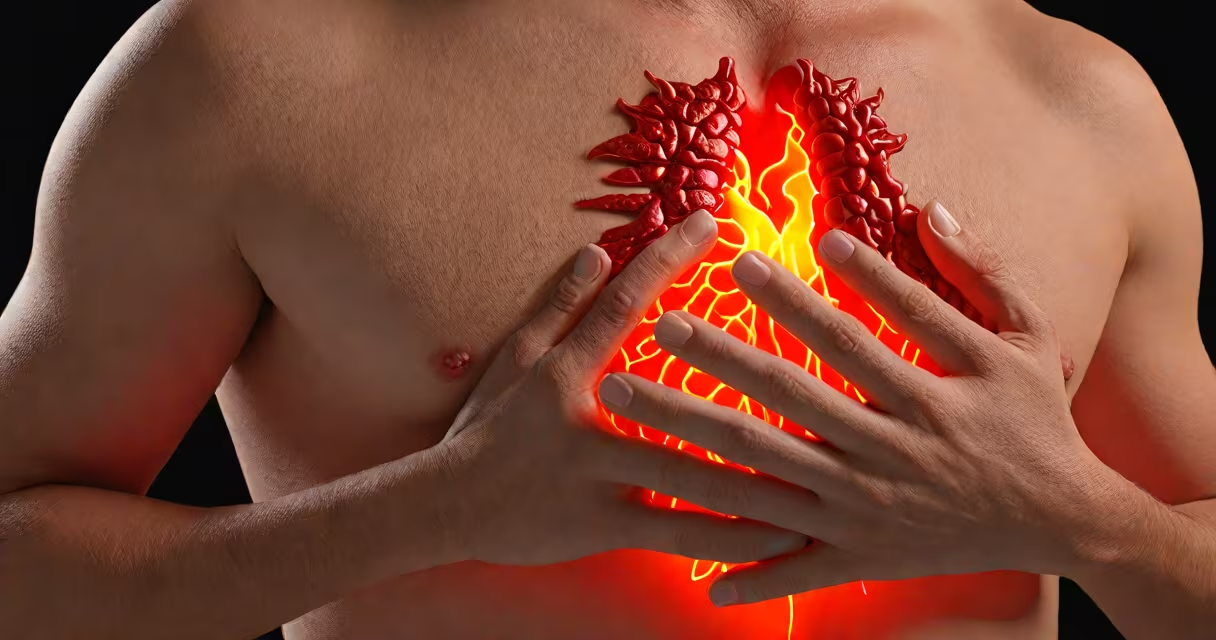
Persistent heartburn results from repeated backflow of stomach acid into the esophagus, often due to a weakened lower esophageal sphincter, obesity, hiatal hernia, or chronic use of certain medications. It's not just occasional discomfort-it's a symptom of ongoing acid exposure that can damage the esophageal lining.
Heartburn is common. But when it happens more than twice a week and doesn't resolve with over-the-counter antacids, it's classified as persistent. The American College of Gastroenterology notes that persistent heartburn affects about 20% of adults in the U.S., with many underreporting symptoms due to misattribution to stress or diet.
The root issue lies in the lower esophageal sphincter (LES)-a ring of muscle between the esophagus and stomach. Normally, it opens to let food pass and closes tightly afterward. When it fails to close properly, stomach acid leaks upward, irritating the sensitive lining of the esophagus. This irritation triggers the burning sensation behind the breastbone.
Diet plays a major role. Foods high in fat, spicy ingredients, citrus, tomatoes, chocolate, caffeine, and alcohol relax the LES or increase acid production. Eating large meals or lying down within 2 hours of eating also increases pressure on the stomach and promotes reflux.
Obesity contributes. A 2022 study published in Gastroenterology found that individuals with a BMI above 30 were 2.6 times more likely to develop persistent heartburn than those with normal weight. Excess abdominal fat pushes against the stomach, forcing acid upward even when the LES is functioning normally.
Hiatal hernia-a condition where part of the stomach protrudes through the diaphragm-disrupts the natural barrier that keeps acid in the stomach. According to the National Institute of Diabetes and Digestive and Kidney Diseases (NIDDK), up to 50% of people diagnosed with GERD have a hiatal hernia, though not all hernias cause symptoms.
Medications such as NSAIDs (ibuprofen, naproxen), some blood pressure drugs (like calcium channel blockers), and sedatives can weaken the LES or reduce protective mucus in the esophagus. Long-term use of proton pump inhibitors (PPIs) may also paradoxically worsen reflux in some patients by altering gastric pH balance.
| Trigger Type | Examples | Prevalence in Persistent Cases |
|---|---|---|
| Dietary | Spicy foods, citrus, alcohol, coffee | 68% |
| Lifestyle | Overeating, late-night meals, smoking | 54% |
| Anatomical | Hiatal hernia, weak LES | 41% |
| Pharmacological | NSAIDs, some antidepressants, calcium blockers | 29% |
One non-obvious factor is stress. While stress doesn't directly cause acid reflux, it amplifies symptoms by increasing gastric acid secretion and reducing LES tone. A 2021 clinical review in Neurogastroenterology & Motility showed that patients with persistent heartburn reported higher anxiety levels and perceived symptom severity during periods of emotional strain-even when acid levels were stable.
Persistent heartburn is often mistaken for heart-related pain. Chest tightness, radiating arm pain, or shortness of breath may suggest cardiac issues. The American Heart Association warns that up to 15% of people with heart disease report heartburn-like symptoms, especially women and older adults.
True heartburn typically occurs after meals, worsens when bending or lying down, and improves with antacids. If pain persists despite treatment, or if it's accompanied by difficulty swallowing, unexplained weight loss, or vomiting blood, it may indicate complications like Barrett's esophagus or esophageal cancer-conditions linked to long-term untreated reflux.
I once saw a patient who had dismissed his daily heartburn as "just indigestion" for nearly four years. He finally sought care after choking on food. Endoscopy revealed severe esophageal scarring and early-stage dysplasia. His diagnosis was Barrett's esophagus-a precancerous condition caused by chronic acid exposure. Early detection prevented progression to cancer.
Persistent heartburn is not the same as acid reflux, though they're related. Acid reflux refers to the physical movement of acid into the esophagus. Persistent heartburn describes the recurring symptom of burning pain. You can have acid reflux without heartburn (especially in silent reflux cases), and vice versa.
GERD (gastroesophageal reflux disease) is the medical term for frequent acid reflux leading to complications. The Rome Foundation defines GERD as reflux occurring at least once weekly with associated symptoms or mucosal damage. Persistent heartburn is a primary indicator of GERD.
Other conditions that mimic persistent heartburn include gallbladder disease (right-side pain, bloating after fatty meals), peptic ulcers (burning pain relieved by food), and esophageal motility disorders like achalasia (difficulty swallowing, regurgitation).
Doctors diagnose persistent heartburn through symptom history, endoscopy, pH monitoring (24-hour esophageal pH test), and manometry (measuring esophageal muscle contractions). A pH probe placed in the esophagus detects acid exposure over time. Normal is less than 4% of time below pH 4; persistent heartburn often exceeds 6%.
Treatment begins with lifestyle changes: weight loss, avoiding trigger foods, elevating the head of the bed, and not eating within three hours of bedtime. Medications include H2 blockers (famotidine) and PPIs (omeprazole), which reduce acid production. For refractory cases, surgical options like fundoplication tighten the LES.
One patient I treated had failed multiple PPI trials. Further testing revealed a small hiatal hernia and delayed gastric emptying. After laparoscopic repair and dietary adjustments, his symptoms resolved completely. That outcome underscores the importance of identifying the underlying mechanism-not just treating the symptom.
Recognizing what causes persistent heartburn leads to faster relief and reduced risk of long-term damage. Addressing the root cause prevents progression from discomfort to serious gastrointestinal disease.