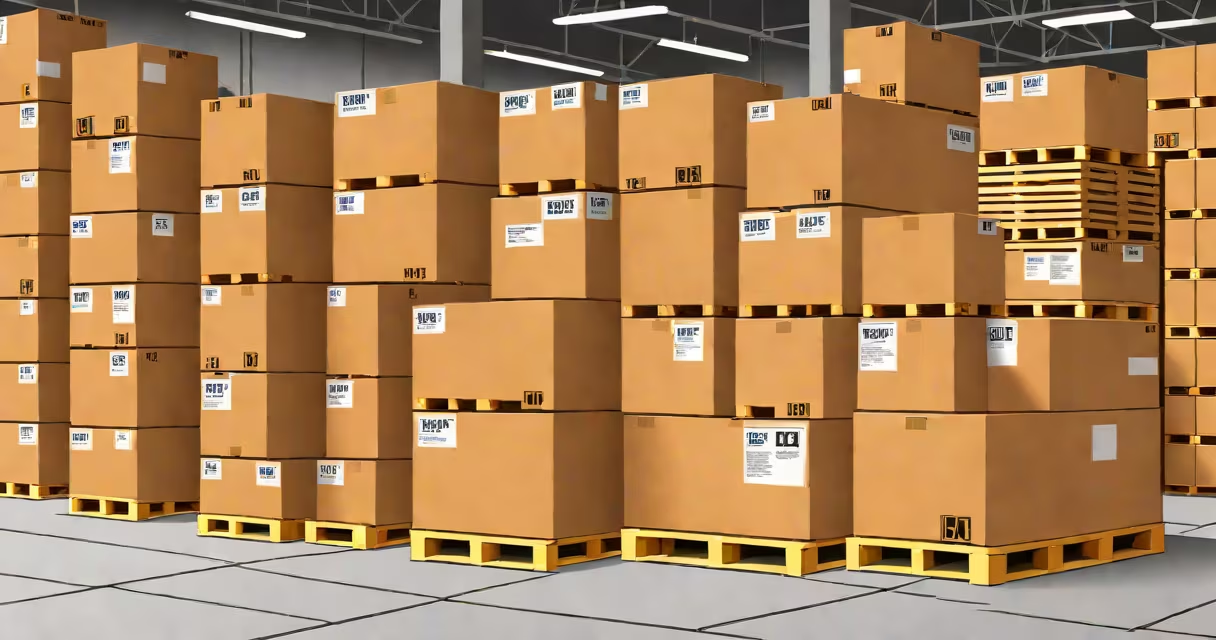
A shipping pallet is a flat, rigid platform used to consolidate and stabilize cargo during storage and transportation. It supports loads ranging from 1,000 to 4,500 pounds depending on material and design, enabling efficient handling by forklifts and automated systems.
Shipping pallets are essential in global supply chains. They allow goods to be grouped into unit loads, reducing damage during transit and speeding up loading/unloading. Without them, moving large volumes of packaged goods would require manual labor or custom crating, increasing time and cost.
The most common size is 48 inches by 40 inches (1219 mm × 1016 mm), standardized by the National Wooden Pallet Association (NWPA). This dimension allows optimal fit in standard shipping containers and truck trailers. Pallets also come in other sizes, including 42×42 inches for European markets and 48×45 inches for specialized industrial uses.
Pallets function as a base layer between goods and the ground or vehicle floor. Their structure consists of two deck boards (top surface), stringers (side supports), and a bottom deck. The stringers run along the sides and are designed to accept forklift tines, allowing lifting from multiple angles.
When loaded correctly, the weight distributes evenly across the deck and stringers. A properly secured load won't shift during transport. Straps, shrink wrap, or stretch film hold items in place above the pallet, preventing movement even under sudden braking or turning.
For example, a warehouse receiving 24 cases of bottled water (each 20 lbs) would stack them on a single pallet. With shrink wrap applied, the entire unit can be moved via forklift, stored vertically in racks, and shipped without individual case handling.
Pallets differ by material and construction. Wood remains the most widely used due to low cost and recyclability. Plastic pallets offer durability and resistance to moisture and chemicals, making them ideal for food and pharmaceutical industries. Corrugated cardboard pallets are lightweight and eco-friendly but limited to light loads and short-term use.
| Type | Weight Capacity | Common Use Cases | Standards |
|---|---|---|---|
| Wood (GMA Standard) | up to 4,500 lbs | General freight, retail distribution | ISTA 3A, ISO 2206 |
| Plastic (High-Density Polyethylene) | up to 3,000 lbs | Food processing, clean rooms | ASTM D642, FDA-compliant |
| Corrugated Cardboard | up to 500 lbs | Short-haul, promotional shipments | ISO 11607 |
Wood pallets often carry the International Pallet Association (IPA) mark indicating compliance with reuse standards. Plastic pallets may have molded-in identification codes for tracking. Corrugated pallets are typically single-use and disposed of after delivery.
Using a shipping pallet reduces product damage by 30% compared to loose stacking, according to a 2021 study by the Council of Supply Chain Management Professionals (CSCMP). Palletized loads also reduce labor hours per shipment by 40%, as they enable mechanized handling.
Carriers charge based on pallet count, not volume, in many intermodal routes. For instance, a 40-foot container can hold 11 standard pallets (48×40 inches) with no wasted space. Loading 110 boxes individually would take longer and risk misplacement.
One key advantage is interoperability. The GMA (Grocery Manufacturers Association) standard pallet is accepted across North American rail, truck, and air freight networks. This uniformity prevents delays at transfer points.
Many assume all pallets are interchangeable. In reality, mismatched dimensions cause inefficiencies. A 48×40-inch pallet won't align with a 42×42-inch rack system, leading to unstable stacking and potential collapse.
Another error is treating pallets as disposable. Reusable wooden pallets are designed for 10+ trips. Discarding them after one use increases waste and costs. The U.S. Environmental Protection Agency estimates that over 1 billion wood pallets are discarded annually, contributing to deforestation and landfill pressure.
Even experienced shippers sometimes overlook load stability. Overloading beyond rated capacity causes stringer failure. A 4,500-lb-rated pallet carrying 5,000 lbs may split under stress, risking injury and cargo loss.
In 2022, a beverage distributor in Texas reduced shipping damage by 52% after switching from loose box transport to palletized units. They used GMA-standard wood pallets with shrink-wrapped layers of 24 bottles per case. Forklift operators reported faster loading times, and carriers charged lower rates due to consistent pallet counts.
Each pallet was labeled with a barcode for inventory tracking. When a shipment arrived at a distribution center, scanners read the ID and updated stock levels automatically. This integration cut manual entry errors by 87%.
I once observed a warehouse where untrained staff stacked heavy machinery parts on a damaged pallet. The stringer cracked during forklift lift, dropping the load. The incident led to a $12,000 repair bill and a safety audit. Since then, the facility implemented mandatory pallet inspection before loading.
A shipping pallet is not a crate or container. It lacks walls and cannot protect contents from weather or impact. It is not a packaging solution but a handling platform. Confusing it with a shipping container leads to improper load planning.
It is also not a permanent storage unit. Pallets are meant for movement. Leaving them in outdoor yards without protection invites rot, insect infestation, and structural degradation. Proper storage requires dry, covered areas.
Finally, pallets aren't always free. While some companies provide them at no cost, others charge for return or replacement. The average cost of a new wood pallet is $15-$20. Reusable plastic pallets cost $40-$60. These expenses factor into logistics budgets.
Understanding what a shipping pallet is enables better decisions in freight planning. Knowing the correct size, material, and load limit avoids costly mistakes. Always verify pallet specifications before loading.
For further insight into who receives shipped goods, see what is consignee in shipping.