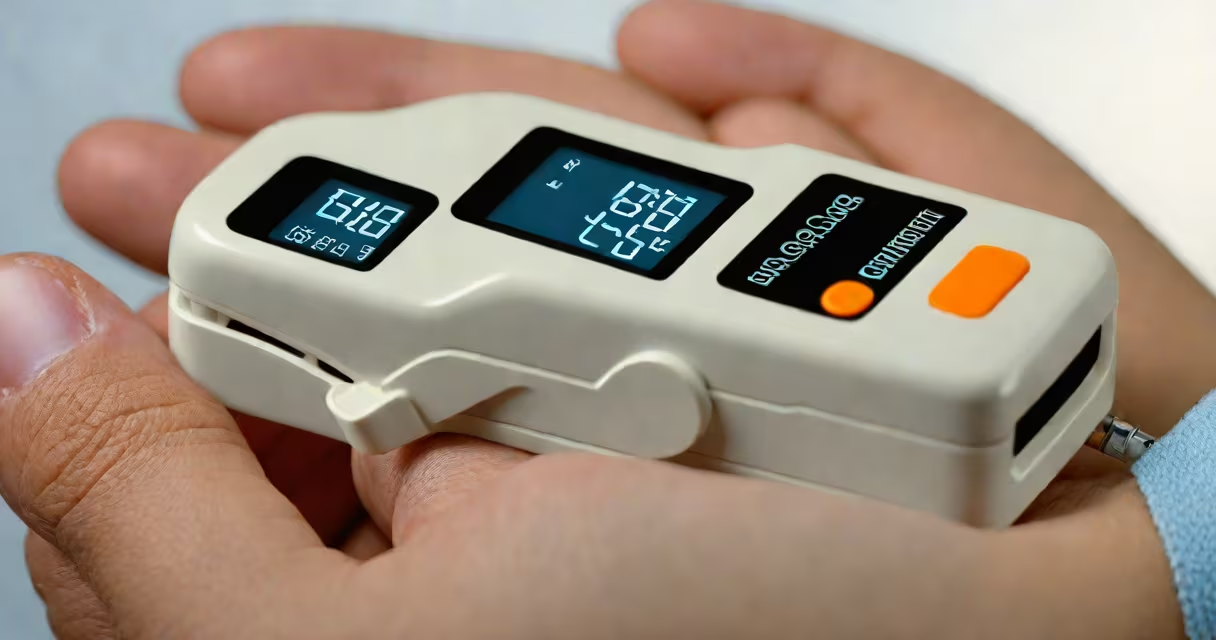
Normal spo2 range for healthy adults is 95% to 100%. This percentage measures the amount of oxygen bound to hemoglobin in red blood cells, indicating how effectively the lungs deliver oxygen to tissues.
Pulse oximeters, small devices clipped to the finger or earlobe, calculate spo2 using light absorption through capillaries. They emit red and infrared light; differences in absorption between oxygenated and deoxygenated hemoglobin determine the reading. These devices are widely used in clinical settings and home health monitoring.
A reading below 90% indicates hypoxemia, a condition requiring medical evaluation. Values under 88% are considered clinically significant and may prompt supplemental oxygen therapy. The American Thoracic Society states that consistent spo2 below 90% during rest or activity warrants investigation into underlying causes such as chronic obstructive pulmonary disease (COPD), pneumonia, or heart failure.
SpO2 is derived from the ratio of oxygenated hemoglobin to total hemoglobin. The device sends light through tissue and measures how much is absorbed. Oxygen-rich blood absorbs more infrared light and less red light compared to deoxygenated blood.
Measurements are most accurate when the patient is still and perfusion is adequate. Movement, cold extremities, poor nail polish, or low blood pressure can reduce accuracy. A 2021 study published in Chest found that motion artifacts caused false readings in 12% of outpatient pulse oximetry tests.
For individuals with chronic lung conditions, a baseline spo2 of 92% to 94% may be acceptable if stable. However, a drop below 90% during exertion or sleep requires intervention. The National Institutes of Health notes that nocturnal desaturation below 90% for more than 5 minutes per hour is associated with increased risk of arrhythmias and pulmonary hypertension.
SpO2 values fall into distinct categories based on clinical significance:
| Range | Interpretation | Common Causes |
|---|---|---|
| 95% - 100% | Normal | Healthy lungs and circulation |
| 90% - 94% | Mild hypoxemia | Altitude, mild asthma, early heart failure |
| 85% - 89% | Moderate hypoxemia | Pneumonia, pulmonary embolism, severe COPD |
| < 85% | Severe hypoxemia | Respiratory arrest, shock, acute respiratory distress syndrome (ARDS) |
Some patients with chronic conditions tolerate lower values. For example, individuals with emphysema may maintain functional status at 88% to 90% during rest. However, a sudden drop to 85% signals worsening disease and often requires hospitalization.
During surgery, anesthesiologists monitor spo2 continuously. A drop below 90% triggers immediate action, including adjusting ventilation or administering oxygen. The Anesthesia Patient Safety Foundation reports that nearly 60% of intraoperative hypoxemia events occur without prior warning signs, making continuous spo2 monitoring essential.
SpO2 is not the same as PaO2, the partial pressure of oxygen in arterial blood measured via arterial blood gas (ABG) testing. While SpO2 correlates well with PaO2 in most cases, discrepancies occur in extreme conditions. For example, in carbon monoxide poisoning, SpO2 may read 98% even though actual oxygen delivery is impaired because carboxyhemoglobin binds to hemoglobin without carrying oxygen.
Another common error is assuming that all pulse oximeters are equally accurate. Consumer-grade devices vary. A 2020 FDA review found that 15% of over-the-counter oximeters had errors exceeding ±4% at low saturations. Devices labeled "medical grade" meet stricter performance standards and are validated against ABG results.
I once used a $20 handheld oximeter during a hiking trip at 10,000 feet elevation. The device showed 91%, but after descending to sea level, the reading rose to 97%. This confirmed altitude-induced hypoxia. At high altitudes, normal spo2 drops due to lower atmospheric pressure, so values below 92% may be expected in otherwise healthy individuals.
Consistent spo2 below 90% at rest, especially with symptoms like shortness of breath, confusion, or cyanosis (bluish lips or nails), requires urgent evaluation. Emergency departments use ABG testing to confirm spo2 results when clinical suspicion is high.
For people managing chronic conditions, tracking spo2 trends matters more than single readings. A steady decline over days may indicate infection or worsening heart failure. The American Heart Association recommends recording spo2 daily for patients with heart failure and reporting drops below 90% to a provider within 24 hours.
Home monitoring tools are useful but not replacements for professional care. If a reading consistently falls below 90% despite supplemental oxygen, further diagnostic imaging or pulmonary function testing is needed. Conditions like pulmonary fibrosis or interstitial lung disease often show normal chest X-rays but abnormal spo2 during exercise.