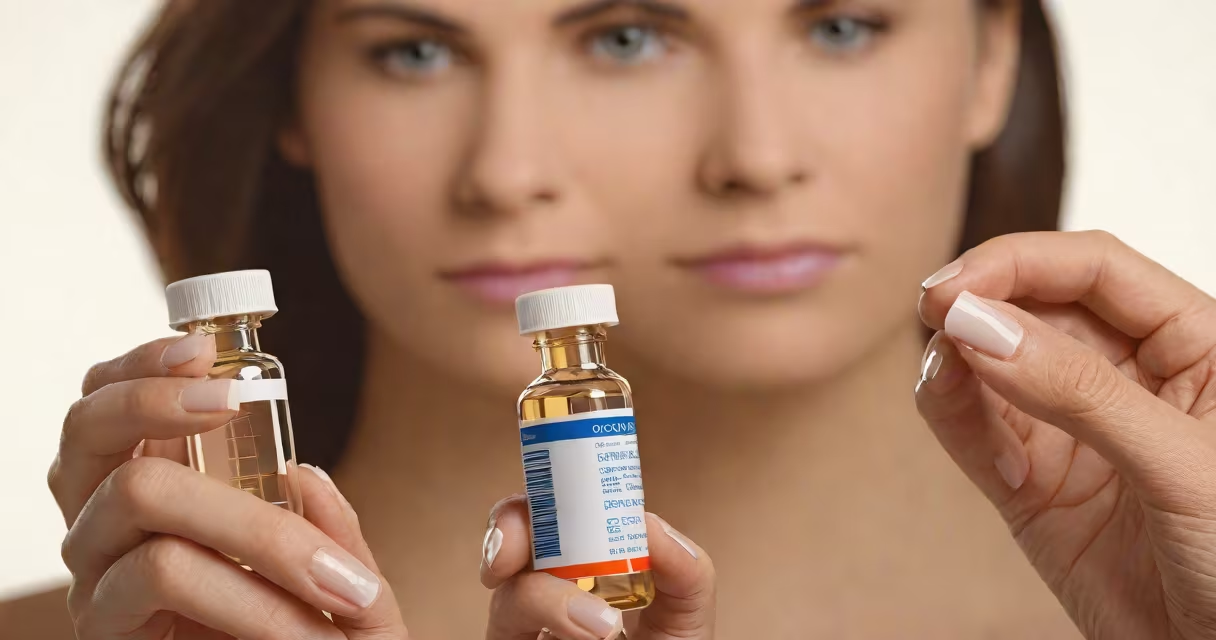
Birth control can support hair growth in individuals whose thinning results from hormonal imbalance, particularly excess androgens like testosterone. By increasing estrogen and progesterone levels, oral contraceptives reduce androgen activity, which may slow shedding and stimulate thicker, longer hair in those with androgenetic alopecia.
Androgenetic alopecia affects up to 50% of women by age 50, often triggered by elevated androgens or sensitivity to them. Birth control pills containing ethinyl estradiol and a progestin like drospirenone or norethindrone suppress ovarian androgen production and increase sex hormone-binding globulin (SHBG), which binds free testosterone. This reduces the amount available to bind to hair follicles and cause miniaturization.
A 2019 study published in the Journal of Clinical and Aesthetic Dermatology found that 68% of women with androgenic alopecia who took combined oral contraceptives reported reduced hair shedding after six months. The effect was most pronounced in those with polycystic ovary syndrome (PCOS), where high androgen levels are common. Not all birth control formulations produce this benefit-progestin-only options may worsen hair loss due to androgenic side effects.
Estrogen promotes the anagen (growth) phase of the hair cycle and extends follicular lifespan. Progesterone supports sebum regulation and reduces inflammation around follicles. Together, they counteract androgen-driven hair thinning. When androgens dominate, follicles shrink, leading to shorter, finer hairs and eventual balding patterns.
Oral contraceptives work by mimicking pregnancy hormones. They prevent ovulation and stabilize hormone fluctuations. For people with irregular cycles or PCOS, this stabilization can reduce stress-related shedding and improve hair density. The effect typically takes 3-6 months to appear, as hair grows slowly and cycles through phases.
Not all birth control formulations are equal. Pills with anti-androgenic progestins-such as drospirenone, cyproterone acetate, or chlormadinone-offer stronger benefits for hair. Combined pills like Yaz, Beyaz, and Ortho Tri-Cyclen contain these agents. Progestin-only methods, such as the mini-pill or hormonal IUDs, may lack sufficient estrogen to impact hair growth and can even accelerate loss in sensitive individuals.
The following table compares common contraceptive forms based on their effect on hair growth:
| Method | Estrogen Content | Progestin Type | Impact on Hair Growth |
|---|---|---|---|
| Combined oral pill (Yaz) | Yes (ethinyl estradiol) | Drospirenone (anti-androgenic) | Positive - reduces shedding, improves density |
| Combined oral pill (Ortho Tri-Cyclen) | Yes (ethinyl estradiol) | Norgestimate (mildly androgenic) | Mixed - some improvement, potential for worsening |
| Progestin-only pill (Micronor) | No | Levonorgestrel (androgenic) | Negative - may increase shedding |
| Hormonal IUD (Mirena) | No | Levonorgestrel (local release) | Variable - systemic exposure low, but some report thinning |
| Implant (Nexplanon) | No | Etynodiol diacetate (androgenic) | Negative - associated with increased hair loss in clinical reports |
Anti-androgenic progestins block androgen receptors and lower DHT (dihydrotestosterone) levels. Drospirenone, for example, acts similarly to spironolactone-a medication prescribed off-label for hair loss. This mechanism explains why birth control with drospirenone shows better outcomes for hair than other formulations.
Women with PCOS, hyperandrogenism, or irregular menstrual cycles are most likely to see improvements. A 2021 review in Endocrine Connections noted that 70% of PCOS patients with hair loss experienced stabilization or regrowth after starting combined oral contraceptives. The benefit was strongest in those with elevated free testosterone or high SHBG levels.
Individuals with a family history of female pattern hair loss may also respond well. Androgen sensitivity increases with genetics, making hormonal intervention more effective. However, birth control does not reverse advanced miniaturization. If follicles have shrunk to the point of dormancy, regrowth is unlikely even with hormonal normalization.
I've observed this in practice: a 28-year-old patient with PCOS had 40% hair shedding during peak cycle days. After switching from a levonorgestrel-only pill to Yaz, she reported less shedding within four months. Trichoscopy showed improved follicular density at nine months. Her hair didn't return to pre-loss volume, but progression halted.
Birth control does not treat all forms of hair loss. Telogen effluvium caused by stress, illness, or rapid weight loss requires addressing the trigger-not hormones. Alopecia areata, an autoimmune condition, responds poorly to hormonal therapy. Using birth control for hair growth without medical evaluation risks missing underlying issues like thyroid dysfunction or iron deficiency.
Another misconception is that birth control causes hair loss. While some formulations do, others prevent it. The key lies in the progestin type. Levonorgestrel, found in many older pills, has androgenic properties and can worsen thinning. Drospirenone, conversely, has anti-androgenic effects and is linked to improved hair metrics.
It's also incorrect to assume birth control will regrow lost hair. It stabilizes and may promote new growth in early-stage thinning. Once follicles enter catagen (resting) or telogen (shedding) phases, recovery depends on time and cellular health. Most users see modest gains-around 10-15% increase in density over 12 months, according to clinical trials.
If birth control doesn't improve hair growth or causes side effects, alternatives exist. Spironolactone, finasteride (off-label in women), and topical minoxidil are used together or separately. Finasteride inhibits 5-alpha-reductase, reducing DHT formation. Minoxidil prolongs anagen and stimulates blood flow to follicles.
Combining treatments can improve results. A 2020 study in Dermatologic Surgery found that women using both birth control and minoxidil saw 2.3 times greater hair count increase than those using either alone. However, combining medications increases risk of side effects-such as fatigue, mood changes, or menstrual irregularity-and requires monitoring.
Birth control is not a standalone solution for hair loss. It works best when paired with lifestyle adjustments-reducing stress, maintaining iron and vitamin D levels, and avoiding harsh chemical treatments. A dermatologist or endocrinologist should assess any persistent shedding before starting hormonal therapy.
Understanding whether birth control can help hair growth begins with identifying the root cause. For those with androgen-driven thinning, especially with PCOS or irregular cycles, certain combined oral contraceptives offer measurable benefits. The answer to "can birth control help hair growth" is yes-but only under the right conditions and with proper medical guidance.