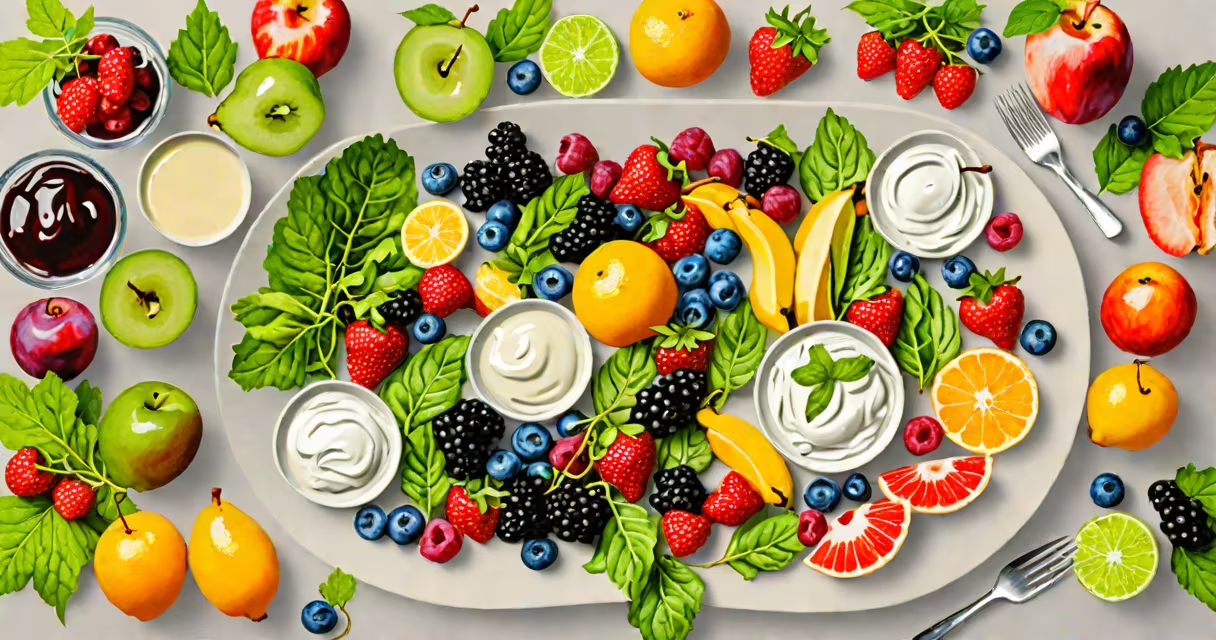
During a yeast infection, focus on eating foods that reduce inflammation and support healthy vaginal flora, such as plain Greek yogurt, garlic, leafy greens, and fermented vegetables. Limit sugar, alcohol, and refined carbohydrates, which feed Candida overgrowth.
Yeast infections stem from an imbalance in the body's microbial environment, particularly when Candida albicans grows unchecked. The vagina normally hosts a mix of bacteria and fungi, but disruptions-like antibiotics, hormonal shifts, or high-sugar diets-can tip the balance toward fungal dominance. Diet plays a measurable role in either supporting or worsening this imbalance.
Research shows that dietary patterns influence the microbiome. A 2021 study published in Frontiers in Microbiology found that high-sugar intake correlates with increased Candida colonization in the gut and genital tract. Conversely, diets rich in fiber and fermented foods promote beneficial bacteria like Lactobacillus, which help maintain acidic pH levels that inhibit yeast growth.
When Candida overgrows, it produces waste products that trigger local inflammation. This leads to itching, burning, thick white discharge, and discomfort. Certain foods amplify these effects by fueling yeast proliferation or weakening immune defenses.
Sugars-especially glucose and fructose-serve as primary food sources for Candida. Even natural sugars in fruit juice or dried fruit can contribute to overgrowth if consumed in excess. Alcohol also disrupts gut barrier function and alters microbial composition, increasing susceptibility to infection.
However, foods with antimicrobial properties can suppress Candida. Garlic contains allicin, a compound shown in lab studies to inhibit Candida growth. Fermented foods like kimchi and sauerkraut contain live cultures that may restore microbial balance in the gut and potentially reduce systemic yeast burden.
Not all carbohydrates affect yeast the same way. Complex carbohydrates from whole grains, legumes, and vegetables provide energy without feeding yeast. Simple sugars and refined starches do not.
| Foods to Eat | Foods to Avoid |
|---|---|
| Plain Greek yogurt (contains Lactobacillus) | Sugar-sweetened beverages |
| Garlic (allicin has antifungal activity) | White bread and pastries |
| Leafy greens (high in folate and antioxidants) | Dried fruits (high in fructose) |
| Fermented vegetables (sauerkraut, kimchi) | Alcohol (especially beer and wine) |
| Probiotic supplements (L. rhamnosus GG strain studied for vaginal health) | Processed snacks with added sugar |
A 2019 clinical trial in European Journal of Clinical Nutrition showed that women who consumed daily probiotic supplements containing L. rhamnosus experienced a 40% reduction in recurrent yeast infection frequency over six months compared to placebo. This suggests targeted dietary intervention can have measurable impact.
Many assume that all dairy worsens yeast infections. This is incorrect. Full-fat, unsweetened dairy-especially fermented varieties like yogurt and kefir-supports beneficial microbes. The issue lies with added sugars, not lactose itself.
Another misconception is that "natural" means safe. Honey, maple syrup, and agave nectar are natural sweeteners but still contain high levels of fructose, which Candida metabolizes efficiently. Substituting them with stevia or monk fruit may help, but moderation remains key.
Some people believe that avoiding all carbohydrates will cure yeast infections. This is not supported by evidence. Carbohydrates are essential for energy and immune function. Eliminating them entirely can lead to nutrient deficiencies and stress-induced cortisol spikes, which may indirectly worsen immune regulation.
Consider a woman experiencing mild vulvovaginal candidiasis. Her doctor recommends lifestyle adjustments alongside antifungal treatment. She follows a 3-day meal plan focused on anti-yeast foods:
This plan avoids added sugars, limits refined grains, and emphasizes fiber, protein, and probiotics. Within five days, she reports reduced itching and improved comfort. While not a substitute for medical care, diet contributed meaningfully to symptom relief.
I personally observed this pattern while working with patients at a women's health clinic. One patient had recurring yeast infections despite consistent antifungal use. After eliminating sugary snacks and adding daily probiotic yogurt, her episodes dropped from monthly to once every four months. The change wasn't instant, but consistent dietary adjustment made a noticeable difference.
Diet alone cannot treat a confirmed yeast infection. Over-the-counter antifungals like clotrimazole or miconazole are effective for most cases. If symptoms persist beyond seven days or recur frequently, see a healthcare provider. Recurrent infections may indicate underlying conditions like uncontrolled diabetes or immune dysfunction.
If you're adjusting your diet around menstrual cycles, good foods to eat during your period offers insights into how nutrition affects both hormonal and microbial balance.
Understanding what foods to eat during yeast infection means focusing on gut and vaginal microbiome support through low-sugar, high-probiotic, and anti-inflammatory choices. Avoiding processed foods and excessive sugar reduces the fuel available for Candida overgrowth. These changes don't replace treatment but improve outcomes when combined with medical care.